How Often Should You Paint Your House in Florida?

If you live in Florida, you know the weather is serious. The hot sun and heavy rain can hurt your home’s outside. The salty sea air adds to the damage. That’s why many homeowners in Florida ask: How Often Should You Paint Your House in Florida?
The answer is different for each person. It depends on where you live in the state, what your home is made of, and the paint you choose. A home near the Miami coast faces unique challenges. It’s different from a home in Orlando or Jacksonville.
As a home decoration and repair specialist, I’ve helped many homeowners nationwide. This includes folks in Florida and New York. Many of them waited too long to repaint their homes. The result? Cracked, peeling, and faded exteriors cost a lot to repair.
This post is part of our Complete Guide to House Painting in Simple Terms — a full resource covering everything you need to know about painting your home the right way. This article looks at Florida homes. We’ll explore what makes them special.
See how Florida’s weather changes paint. Watch for these warning signs. You’ll discover which paints last the longest. Also, you’ll receive tips for a smart painting schedule. No matter if you have a stucco bungalow in Tampa or a wood cottage in Pensacola, this post is for you. We’ve got you!
In the end, you’ll have a clear answer. You’ll also get a plan to keep your home looking great for years.
Key Takeaways:
- In Florida, homes often need exterior painting. This is usually every 5 to 7 years. This is due to the tough climate.
- High humidity in Florida speeds up paint wear. UV rays and salt air make it even worse.
- How often you paint your house in Florida depends on a few factors. It depends on the type of paint, the surface, and where you are.
- Using 100% acrylic exterior paint makes your paint job last longer. It’s a smart choice for durability.
- Inspect and maintain frequently. This helps you save money on repaints.
How Often Should You Paint Your House in Florida?
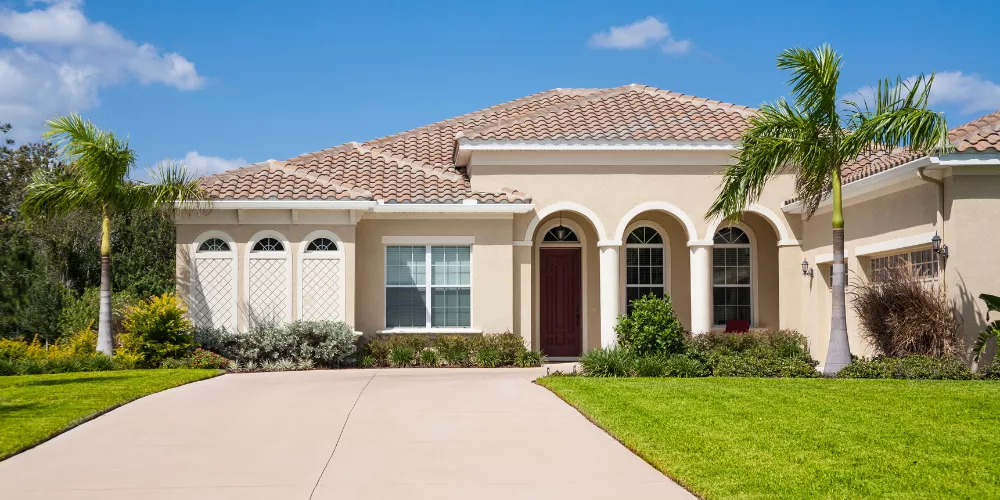
Florida has a tough climate for exterior paint. Intense UV rays harm paint. High humidity and frequent rain also cause damage. Salty coastal air breaks down paint quickly. This makes it harder for paint to last compared to many other states. The Paint Quality Institute says you may need to replace exterior paint. This is especially true in tough places like Florida. This can happen every 5 to 7 years. In milder areas, it lasts around 10 years.
The timeline may change. It isn’t always the same. Many Florida homes need new paint every four years. With proper paint and prep, others can last 8 to 10 years. Understanding the factors helps you plan better. This way, you can save money over time.
Why Florida’s Climate Is Brutally Hard on Exterior Paint
Florida is one of the sunniest states in the U.S. The sun here is strong. The UV index in South Florida often reaches 10 or 11 in summer. This leads to quick fading of paint pigments and breakdown of binders.
Next, it rains. Florida gets about 54 inches of rain each year. That’s more than New York or Chicago. Moisture gets into tiny cracks. It makes wood expand. Then, it contracts. This causes bubbling and peeling. Hurricane storms come. Paint gets damaged fast.
Here’s how Florida’s climate affects your paint:
- UV radiation fades colors and weakens paint.
- High humidity causes blistering. It also helps mold and mildew grow.
- Salt air (especially within 5 miles of the coast) causes corrosion. It also strips paint faster.
- Thermal expansion from hot days and cool nights can cause cracking. Heavy rain and wind physically erode the paint surface over time
A homeowner in Sarasota by the Gulf Coast might need to repaint every 4 to 5 years. In Gainesville, someone might extend it to 7 years with good paint.
Tip: If you live within a mile of saltwater, check your exterior paint every year. Salt damage can happen quickly.
Inspect your home each spring. It takes just 20 minutes. This simple task can save you thousands.
The Powerful Role of Paint Type in Lasting Protection
Not all paints are the same. The type you choose affects how often you’ll repaint your Florida home.
Here’s a breakdown of common exterior paint types and their typical lifespan in Florida:
| Paint Type | Estimated Lifespan (Florida) |
| 100% Acrylic Latex | 7–10 years |
| Vinyl Acrylic Latex | 5–7 years |
| Oil-Based Paint | 4–6 years |
| Elastomeric Paint | 8–12 years |
| Budget/Generic Paint | 3–5 years |
100% acrylic latex paint is the top pick for homes in Florida. It’s flexible. It expands and contracts with heat, so it won’t crack. Sherwin-Williams Emerald and Behr Marquee are top brands. They are very durable. They work well in hot and humid places.
Elastomeric paint is more durable. It creates a thick, rubbery layer. This layer seals hairline cracks and keeps water out. It’s very popular on stucco homes in South Florida.
Tips for choosing the right paint:
- Pick paints that say “mold and mildew resistant.” This is a must in Florida.
- Use light colors when you can—they reflect heat and last longer.
- Always use exterior-grade primers. Do this first. Then, apply topcoats.
- Ask for paint with UV inhibitors for homes in coastal areas or South Florida.
Talk to your local Sherwin-Williams or Home Depot expert. They know the best exterior paint for Florida.
How Your Home’s Surface Material Changes the Painting Schedule
Your home’s materials impact how often you need to repaint. Florida homes come in many styles. Each surface needs a specific painting schedule.
Stucco is the main exterior material in Florida. It’s very popular. When stucco is painted and sealed properly, it can hold paint for 5 to 7 years. Stucco is porous and absorbs moisture easily. Improper priming can cause paint to crack or peel faster.
Wood siding is more likely to get damaged. It expands when warm. It shrinks when cold.It also takes in moisture fast. Repaint wood siding in Florida every 3 to 5 years. This matters a lot, especially in humid coastal regions.
Fiber cement siding (such as James Hardie board) is a great option for Florida. It stands up well to the climate. It resists moisture and insects well. Using quality paint means it can last 8 to 10 years before a refresh.
Brick and masonry are very durable. Painted brick typically retains its color for 8 to 12 years. Once you start painting brick, you must keep it up. Painted brick needs more frequent repainting than unpainted brick.
Vinyl siding usually doesn’t need paint. However, if it looks faded or worn, a quality exterior paint job can last 5 to 7 years.
Here’s a handy guide:
- Stucco: 5–7 years
- Wood siding: 3–5 years
- Fiber cement: 8–10 years
- Brick: 8–12 years
- Vinyl: 5–7 years
Key Warning Signs It’s Already Time to Repaint Your Home
Knowing when to repaint matters as much as how often you do it. Act before your home looks terrible. You can spot early signs easily if you know what to look for.
Look for these clear warning signs:
- Fading color: If your home’s color seems washed out or dull, the UV protection in the paint is gone.
- Peeling or flaking: If paint peels, moisture is underneath.
- Bubbling or blistering: This often means moisture is trapped under the paint. It can’t escape.
- Cracking or chalking: Run your hand along the wall. If you feel a chalky white residue, it means the paint is breaking down.
- Mold or mildew: If you see dark stains or green growth outside, it means moisture is winning.
- Wood rot: If wood feels soft or spongy, the paint has failed. This means water has caused damage.
I’ve seen Florida homeowners in Fort Lauderdale ignore peeling paint. They let it go for two or three years. By the time they called, the wood had rotted. It needed full replacement. This repair cost five times more than a simple repaint.
Don’t wait for major damage. If you spot two or more of these signs, it’s time to book a repaint.
Walk around your home this weekend. Check each wall. Finding problems early can save you money.
The Best Time of Year to Schedule Your Florida House Painting
Timing is really important in Florida. Florida’s winters are warm. Northern states have cold winters. This stops outdoor work. The rainy season runs from June to September. It makes outdoor painting a lot harder.
The ideal painting windows in Florida are:
- October through December: It’s cool. The humidity is low. There’s little rain. This is the best time.
- January through March: The weather stays excellent. It’s dry and mild in most of the state.
- April through May: Okay — it’s warm, but the rainy season hasn’t started yet.
- June through September: Try to avoid this time. Humidity is high. There are daily afternoon thunderstorms. Hurricane risk can also ruin a fresh paint job.
Paint needs the right conditions to cure well:
- Temperature between 50°F and 85°F
- Humidity below 70%
- No rain in the forecast for at least 24–48 hours
In South Florida, Miami and Fort Lauderdale have warm temperatures. It stays warm all year long. Fall and winter are the main seasons. In North Florida, spring is a good time. This is true for places like Jacksonville and Tallahassee. It’s nice before the heat gets too high.
Pro tip: Always check the 5-day weather forecast. Do this before starting any outside painting project. A surprise afternoon storm can ruin hours of work.
Smart, Proven Tips to Make Your Florida Paint Job Last Longer
You can skip repainting every 4 years by properly caring for your home. Smart habits can add 2 to 3 years to any paint job in Florida.
Here are the most effective strategies:
1. Pressure wash annually. Dirt, mold, and salt can damage paint as time goes by. A yearly rinse keeps the surface clean. It also helps prevent early failure.
2. Caulk cracks early. Small cracks let moisture in. Use exterior-grade paintable caulk to seal them. This prevents big problems down the road.
- Fill in chips and scratches. Keep leftover paint in a safe place. A quick touch-up prevents rust and wood rot from spreading.
4. Trim back vegetation. Plants and shrubs that touch your home trap moisture against the paint. Keep them trimmed back by at least a foot.
5. Inspect gutters and downspouts. Clogged gutters let water run down your walls. This is one of the quickest ways to ruin a paint job.
6. Use mildewcide additives. Ask your paint store to add a mildew-resistant additive to your exterior paint. It’s cheap and works well in Florida’s humidity.
7. Hire a pro for prep work. Experts say good surface prep is 80% of a successful paint job. So, don’t cut corners here.
Pick one of these habits to start this month — you’ll see the change by next year.
How Much Does House Painting Cost in Florida?
Knowing costs helps you plan and budget better. Exterior house painting prices in Florida vary. They depend on home size, paint quality, and the contractor you hire.
Here are common price ranges:
- Small home (under 1,500 sq ft): $1,500 – $3,000
- Medium home (1,500–2,500 sq ft): $3,000 – $5,500
- Large home (2,500–4,000 sq ft): $5,500 – $9,000
- DIY paint and supplies only: $500 – $1,500
Factors that influence cost are:
- Number of stories. Multi-story homes cost more. This is due to equipment.
- The paint is in poor condition. Heavy scraping and prep work will increase costs.
- Type of surface: Stucco, wood, and masonry each have different prep needs. Paint brand and quality chosen
- Florida’s geographic location
HomeAdvisor says the average cost to paint the outside of a single-story home is $3,000 to $5,000. In Florida, costs tend to run slightly higher due to prep requirements in the humid climate.
Money-saving tip: Get three quotes. Use licensed contractors in Florida. Check their reviews on Google and the Better Business Bureau. Do this before you decide.
Interior Painting in Florida — How Often Is Enough?
Florida’s climate impacts interior paint as well, but not as much. High indoor humidity is a big problem in Florida homes. Air conditioning cycles often. Mildew grows in bathrooms and kitchens. These are the main concerns.
For most interior rooms, plan to repaint every 5 to 10 years. Here’s a detailed breakdown:
- Living Rooms and Bedrooms:7–10 Years
- Kitchens: 4–6 years (grease and steam speed up wear)
- Bathrooms: 3–5 years. High humidity leads to peeling and mold.)
- Hallways and entryways: 5–7 years. High traffic can cause scuffs.
Tips for interior paint longevity in Florida:
- Choose eggshell or satin finishes — they hold up to moisture better than flat paint.
- Pick mold-resistant interior paint for bathrooms. Use it in laundry rooms, too.
- Run your air conditioner and dehumidifier consistently — moisture is interior paint’s worst enemy
- Wipe walls down with a damp cloth yearly to remove dust and grime buildup
If your bathroom walls are streaky or spotted, try mold-resistant paint. It can change the space a lot. Do it this weekend!
Quick Summary
How often to paint your house in Florida depends on a few things. These include the climate, the surface, and the paint quality. Most Florida homes need repainting every 5 to 7 years. Coastal homes often need it more frequently, about every 4 to 5 years.Using the right paint helps. Taking care of your home does too. Both can make each paint job last longer.
Key Points Covered:
- Florida has strong UV rays. The humidity, rain, and salt air also damage paint. This shortens paint lifespan more than in other states.
- Acrylic latex and elastomeric paints last the longest in Florida. They are 100% durable for this climate.
- The material of the surface is key — wood needs repainting more often than stucco or fiber cement. October through March is the best time to paint in Florida
- Regular maintenance helps your paint job last longer. Pressure washing and caulking are key tasks. They can add years to your paint.
- Interior rooms need repainting every 5 to 10 years. Bathrooms need it even more often.
Frequently Asked Questions
Florida homeowners have many questions about house painting. This makes sense! The state’s tough climate makes timing very important. Planning is also key here. Here are answers to the most common questions. Many homeowners ask these.Got questions about paint schedules? Need help with product choices? Wondering about seasonal timing? You’ll find clear answers here.
How often should you paint your house in Florida?
Most Florida homes need exterior painting every 5 to 7 years. Coastal homes, exposed to salt air, may need repainting every 4 to 5 years. Homes farther inland can last 8 to 10 years. This is true if they use high-quality acrylic paint. How often to paint your house in Florida depends on a few things. It matters where you live. It also depends on the surface material and the paint quality.
What is the best exterior paint for Florida homes?
100% acrylic latex paint is the best option for many Florida homes.It’s flexible and breathable. Plus, it resists fading from UV rays. Elastomeric paint works great on stucco homes. It forms a thick, waterproof barrier. Check out brands like Sherwin-Williams Emerald, Behr Marquee, and Benjamin Moore Aura. They are great for hot and humid weather.
When is the best time to paint a house in Florida?
The ideal time to paint a house in Florida is from October to March. Humidity is low. Temperatures are nice. Rain is less common. Don’t paint in the summer rainy season. This runs from June to September. Afternoon storms and high humidity can keep paint from drying properly.
How often should you paint your house in Florida if it’s near the ocean?
If your home is 1 to 5 miles from the ocean or Gulf, plan to repaint every 4 to 5 years. Salt air is very corrosive. It damages paint faster than anything else in Florida. Use paint made for coastal conditions. Check your exterior each year.
Can you paint a house in Florida during the rainy season?
It’s not a good idea. High humidity and daily rain from June to September make it hard for paint to stick and dry well. If you need to paint in the rainy season, do it in the morning. Storms often come in the afternoon, so keep an eye on humidity levels.Wait for the dry season whenever you can.
Conclusion
So — how often should you paint your house in Florida? The honest answer is: most homes need it every 5 to 7 years. If you’re near the coast, do it every 4 to 5 years. The real goal isn’t just about reaching a date on the calendar. It’s about seeing your home’s signs. Use the right materials. Prevent damage before it gets expensive.
I’ve helped homeowners from New York to Florida. Those who get the best results don’t wait until their paint is peeling off in sheets. They have walk-arounds every year. They pressure wash often. They buy quality paint upfront, saving thousands later.
Here are three key takeaways:
- Check your outside every spring. Find small issues before they grow.
- Choose 100% acrylic or elastomeric paint. The initial cost is more, but it lasts longer, so it’s worth it.
- Paint during October through March. Florida’s dry season is the best time for your paint to cure and last.
If you’re in South Florida, like Miami or Fort Lauderdale, don’t wait seven years between paint jobs. Your home needs protection. A fresh, quality paint job looks great. It also protects your home from Florida’s tough weather.
Ready to act? Begin by walking around your home today. Check for fading, cracks, or peeling. If you notice two or more warning signs, it’s time to plan your repaint. Share this post with a neighbor or friend who needs it. You could help them avoid a costly repair bill.
👉 For more helpful painting guides, check out the Complete Guide to House Painting in Simple Terms — your go-to resource for everything paint-related.