Complete Guide to House Painting in Simple Terms

Painting your home is a great way to make it look fresh and new. Moving to a new place? Want a change? Our Complete Guide to House Painting can make you feel better about your space. Homeowners often feel tense. They feel this way before they begin. They worry about the cost and the time it will take. This guide will help you grasp the process easily. You’ll discover how to plan your project like a pro. This way, you can enjoy your lovely home.
What is Painting?
Painting is putting liquid color on surfaces. This can be walls, ceilings, or doors. When it dries, it forms a hard, protective layer. This layer is known as a “finish.” For example, if your living room walls are gray and dull, you can paint them bright white. This will make the room feel fresh. This makes the room look cleaner and bigger than before. It’s like giving your house a fresh new look.
Why Painting is Important
Painting is more than just a pretty picture. It shields your house from rain, sun, and dirt. It protects your walls like a barrier. If you decide to sell your house, a new coat of paint can increase its value. It’s an easy way to fix small scratches. This makes your home feel safe and cozy for your family. A good paint job keeps bugs and moisture out of the wood and drywall.
Complete Guide to House Painting in Simple Terms
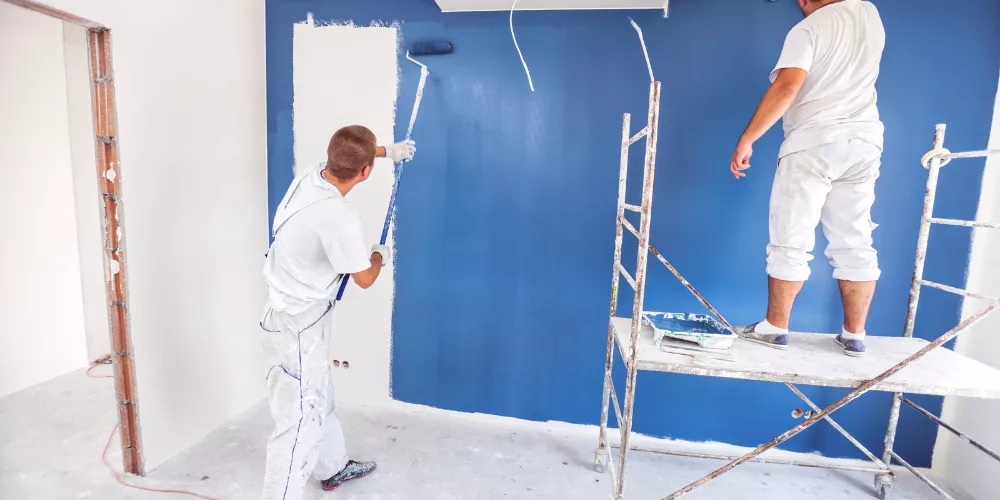
Painting your home is a great way to make it feel new and fresh. Moving to a new place or wanting a change? Painting can make you feel good about your space. Many homeowners feel nervous. This happens before they start. They worry about the cost and the time it will take. This guide makes the process easy to understand. You’ll learn to plan your project like a pro and enjoy a beautiful home.
How Much To Paint A 2000 Square Foot House?
Knowing the cost is the first step for many. For a 2,000 square foot house, the price can vary due to several factors. It typically costs $3,000 to $6,000 for the interior. If you hire a pro, you pay for their time. You also pay for the paint. Professionals use costly tools and work quickly. If you do it yourself, you save on labor costs. However, it requires a lot of effort and many weekends. A larger living room with high ceilings costs more than a small bedroom. This is because it requires more materials and taller ladders. Don’t forget to consider the cost of tape, brushes, and floor covers.
How Many Gallons To Paint A 2000 Square Foot House?
Don’t run out of paint while you’re working! For a 2,000 square foot home, you typically need 15 to 20 gallons for the walls. This number may change if you paint the ceilings and trim, too. A good rule is that one gallon covers around 350 square feet of smooth wall. If your walls are dark and you want to paint them light, you may need extra paint. A second coat can help cover the old color. If you’re painting a dark red wall with light cream paint, you’ll likely need more paint than expected.
How Many Gallons Of Paint For Exterior Of House?
Your house looks different on the outside than on the inside. Exterior walls are rougher, so they absorb more paint like a sponge. For a typical home, you may need 15 to 25 gallons. It depends on your house material, such as wood, brick, or siding. If you have a large wooden deck or a garage to paint, buy a few extra cans. This way, the color will match perfectly everywhere. Buying 5-gallon buckets often costs less than single cans. You can save money this way.
How Long To Paint A House Interior?
Time matters when you live in the house. Usually, a professional team can paint the inside of a whole house in 3 to 5 days. This means moving furniture. It also includes taping edges. Finally, let the paint dry between coats. If you work alone on weekends, it could take two or three weeks. You might finish each room during that time. Planning ahead helps you stay organized. It makes things easier. Do one room at a time. This way, you’ll always have a spot to sleep and eat without tripping over paint cans.
How Long Does It Take To Paint A House Exterior?
Painting the outside typically requires 3 to 6 days of nice weather. Weather is the main factor here. If it rains, the painters must stop. They will wait until the walls are completely dry. The team spends a lot of time cleaning the walls with water. They also fix cracks before opening a paint can. A clean surface helps the paint last longer. If your house has two stories, it will take longer due to the ladder work.
How Many Coats Of Paint On Exterior Of House?
Experts recommend using two coats of paint on the exterior. The first coat serves as a base. The second coat adds richness and strength to the color. This helps the paint resist hot sun and heavy rain. For example, using only one coat may cause the paint to peel within a year or two. Two coats will keep your house looking great for a long time. If you use a high-quality “paint and primer in one,” one thick coat might work. But two coats are always safer.
How Long Does Exterior House Paint Last?
Exterior paint typically lasts 5 to 10 years. It depends on your location and the paint’s quality. If you live where summers are very hot or there’s a lot of snow, paint may fade or crack quickly. Using good paint is like buying a warm coat for winter. It protects your house for a longer time. Check your walls each year for small cracks or bubbles. This helps catch problems early and can save you money.
How Often Should You Paint Your House In Florida?
In Florida, the sun shines bright, and the air feels humid. You should paint your house every 5 to 7 years. The salt in ocean air can harm the paint. If it feels dull or “chalky” when you touch it, you need a new coat. Painting more often in Florida helps prevent moisture from seeping into the walls. This stops mold growth. A light wash outside each year can help the paint last longer in the heat.
How To Get Spray Paint Smell Out Of House
Spray paint has a strong smell. It can cause headaches. To remove it, open all the windows. Then, use fans to circulate the air. You can also place bowls of white vinegar or baking soda in the room. They soak up the smell naturally. A simple trick is to cut an onion in half. Leave it in the room overnight. It may sound funny, but it really works! Charcoal bags are great for removing chemical smells from the air.
Can You Use Exterior Paint Inside A House?
Don’t use exterior paint inside your home. Exterior paint has chemicals that protect it from weather and mold. But these chemicals can smell bad. They can also be harmful to breathe in small rooms. Interior paint is safe for your family and pets to breathe. You can scrub it if someone spills something on the wall. Exterior paint is usually too soft for indoor use. It can remain “sticky” for a long time. Always use the right paint for each job.
Can You Paint A Metal Roof On A House?
Yes, you can paint a metal roof! It’s a great way to refresh an old roof without needing to buy a new one. Use a special paint made for metal. This helps it stick well and prevents peeling. This paint reflects sunlight. It helps keep your house cooler in summer. Painting a dark metal roof a lighter color, like silver or light gray, can lower your electric bill. This is because your air conditioner won’t need to work as hard.
When Is The Best Time To Paint Your House?
The best time to paint is when the weather is dry and not too hot. Many people prefer spring or fall. Avoid rainy and humid days since the paint won’t dry properly. If it’s too hot, the paint dries quickly and leaves marks. You can paint indoors any time of the year! Make sure to open a window for some fresh air while you work. Many people paint indoors in winter. They spend more time inside then.
Step-By-Step House Painting Guide
Painting gets easier when you stick to a simple plan. You don’t have to be an expert to see great results. Take your time and don’t rush. Most mistakes occur when people go too fast or skip cleaning steps. Do the work right, and your paint job will shine for years.
- Clean the walls: Use a damp cloth to wipe away dust or cobwebs.
- Move furniture: Put everything in the middle of the room and cover it with plastic sheets.
- Use tape: Put blue painter’s tape along the edges of the floor, windows, and ceiling.
- Prime: If the walls are new or you are changing from a dark to a light color, use a primer first.
- Paint edges: Use a small brush to paint the corners and edges where the roller can’t reach.
- Roll the walls: Use a roller to fill in the big spaces. Move in a “W” shape for the best cover.
- Let it dry: Wait a few hours before adding a second coat to make sure it is smooth.
House Painting Common Problems & Solutions
Sometimes things don’t go as planned, but it’s okay! Many painting issues are simple to solve with patience and the right tools. Just know what to look for and how to deal with it.
- Dripping paint: If you see a drip, wait for it to dry. Sand it down until it is flat and then paint over that small spot again.
- Peeling paint: This usually means the wall was dirty or oily. Scrape off the loose bits, clean the wall with soap and water, and try again.
- Wrong color: If it looks different than the store sample, try a second coat. Paint often looks different under your house lights than it does in the store.
- Brush marks: If you see lines from your brush, you might be pressing too hard. Use a light touch and more paint on the brush.
Tips & Best Practices Of House Painting
Here are simple tips. They can help your work look professional. Small details can greatly change how the room feels when you’re done. Caring for your tools is important, too. Buy good brushes: Cheap brushes lose their hairs and get stuck in your wet paint.
- Mix your cans: Mix two cans of the same color in a big bucket. This makes sure the color is the same on every wall.
- Keep the lid on: Close the paint can whenever you aren’t using it so it doesn’t get thick or dry out.
- Remove tape early: Take off the tape while the paint is still a bit wet. This ensures a clean, straight line.
- Wrap your tools: Need a break? Wrap your wet brush in plastic wrap. It will stay soft until you return!
House Painting: Quick Reference Guide
Before you start your project, look at all the key details. It helps to have them in one place. This table offers fast answers on costs, how much paint to buy, and job duration. Use this chart to help you plan your time and budget for great results in your home.
| Topic | Details & Estimates |
| Cost (2,000 sq. ft. Interior) | $3,000 – $6,000 (average) |
| Paint Needed (Interior) | 15 – 20 Gallons |
| Paint Needed (Exterior) | 15 – 25 Gallons |
| Time to Paint (Interior) | 3 – 5 Days |
| Time to Paint (Exterior) | 3 – 6 Days (weather permitting) |
| Number of Coats | 2 coats recommended (Interior & Exterior) |
| How Long it Lasts | 5 – 10 years (depending on climate) |
| Best Time to Paint | Dry weather, Spring or Fall (Exterior) |
| Florida Schedule | Every 5 – 7 years due to sun and humidity |
| Metal Roof Painting | Yes (requires special metal-grade paint) |
| Pro Tip | Remove painter’s tape while paint is still slightly damp |
Frequently Asked Questions
Painting can be tricky if you’re new to it. Here are clear answers to common questions homeowners ask.
Do I really need to use two coats of paint?
Yes, in nearly every case. The first coat can look thin or streaky. The second coat fills tiny holes. It makes the color look solid and rich. It also makes the paint stronger, so it won’t scratch easily when you move furniture or clean the walls.
How do I store leftover paint so it stays good?
Clean the rim of the can first. Firmly tap the lid down with a rubber hammer. Store the can in a spot with normal temperature, like a closet or basement. Don’t let paint freeze in a cold garage. If you do, it will become a chunky mess that’s unusable.
Can I paint over old wallpaper?
Remove the wallpaper first. It’s a better choice. If you paint over it, the water in the paint can soften the wallpaper glue. This can make the wallpaper bubble or peel later, ruining your new paint. If you need to paint over it, start with a special oil-based primer. This will seal the paper.
How do I know if I need primer?
You need primer if you are painting over a very dark color, if you are painting a brand-new wall (drywall), or if the wall is stained. Primer helps the paint stick better and covers up old smells or marks. If your wall is already a light color and in good shape, you might not need it.
Conclusion
Painting is a fun way to brighten your home. It can also be very rewarding. Plan your budget, buy enough paint, and take your time. You’ll end up with a beautiful result to be proud of. Use the right paint for each space and follow the steps. Now that you understand costs, timing, and tips, you can pick a color and get started! Your fresh, new-looking home is just a few brush strokes away.