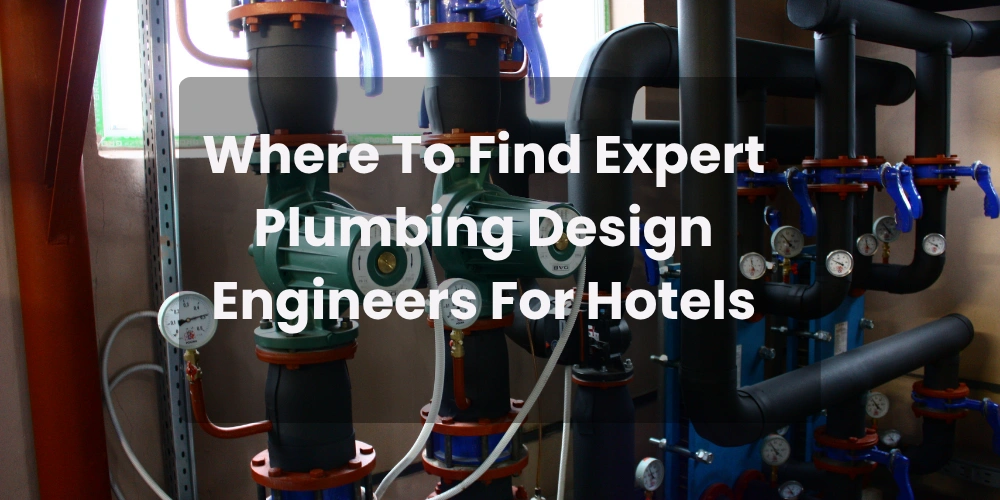
Where To Find Expert Plumbing Design Engineers For Hotels

Picture arriving at a five-star hotel. The shower pressure is just right. Hot water comes in seconds. Everything works smoothly.That level of comfort comes from expert plumbing design engineers. They create it for hotels. It doesn’t happen by chance. They work hard behind the scenes.
If you’re building or renovating a hotel in the USA, it’s key to find the right plumbing design engineer. This choice is very important. Hotel plumbing systems are big. They are also very complex. You’re running water to more than just a few bathrooms. You manage water flow for many places. This includes guest rooms, kitchens, laundry, pools, spas, and fire systems. You handle them all at the same time.
I’m Archie M. Guerrero. I specialize in home decoration and repair. I’m based in New York, NY. I’ve worked on many projects. Some are small apartment renovations. Others are large commercial properties. I’ve learned this many times: the right engineer at the start of a project is worth ten times more. This is true when problems come up and a repairman is needed.
This guide helps you find expert plumbing design engineers for hotels. It tells you what qualifications to look for. You’ll learn what questions to ask. Plus, you’ll see how to avoid common and costly hiring mistakes. Your hotel project could be in New York, Florida, Texas, or California. This guide will help you move forward. It offers clear and practical steps.
Where To Find Expert Plumbing Design Engineers For Hotels
Hotel plumbing is a tough area of engineering in construction. A mid-size hotel in cities like Chicago or Miami can use tens of thousands of gallons of water daily.
The engineer designing the system must:
- Plan for peak demand.
- Ensure consistent pressure on every floor.
- Manage wastewater safely.
- Meet many overlapping code requirements.
All this needs to happen before installing any pipes.
Finding good plumbing design engineers for hotels isn’t just about their credentials. Think about their experience. How do they solve problems? Find someone who really knows hospitality. Guest comfort matters. Safety does too. Reliable operations are important. They matter, too. The U.S. Bureau of Labor Statistics says that demand for mechanical engineers will grow. Civil engineers will see steady growth too. This trend will continue until 2032. This includes plumbing design specialists. Their work is key in all industries.
1. What Does a Hotel Plumbing Design Engineer Actually Do?
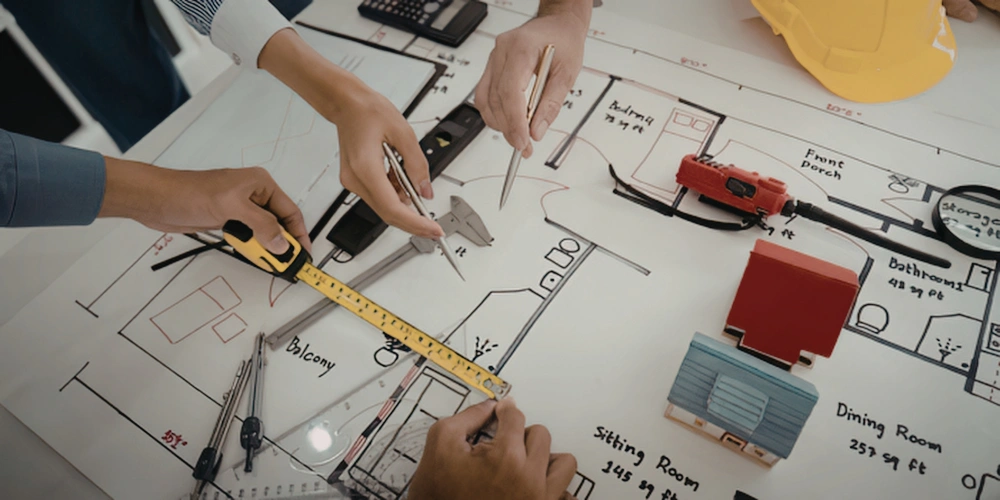
Knowing this role well helps you choose the right candidate. A hotel plumbing design engineer is different from a plumber. They don’t just fix leaks.They are a licensed Professional Engineer (PE). They design systems for hotels. This includes water, drainage, and fire protection. Their work goes from the first idea to the final documents.
- Their main duties are:
- Design hot and cold water systems for peak hotel demand.
- Plan sanitary drainage and vent systems for all hotel areas.
- Build fire systems. Meet NFPA requirements for sprinklers.
- Align plumbing with architecture, structure, and HVAC.
- Make stamped drawings for permits.
- Visit the site during construction. Check to make sure everything is installed correctly.
In big hotel projects in New York and Los Angeles, the plumbing design engineer is part of a team. This team covers MEP—mechanical, electrical, and plumbing.They go to design meetings. They look at clash reports in BIM software. They answer questions from contractors during construction.
The American Society of Plumbing Engineers (ASPE) says hotels must meet high demand. They should be ready for high usage times. This means all fixtures in the building might be used at once. That kind of planning takes real engineering skills.
Try this today: Go to aspe.org. Use their member directory to find certified hotel plumbing engineers in your state. It takes under five minutes. You’ll get a solid starting list.
2. Why Hotel Plumbing Demands Specialized Expertise
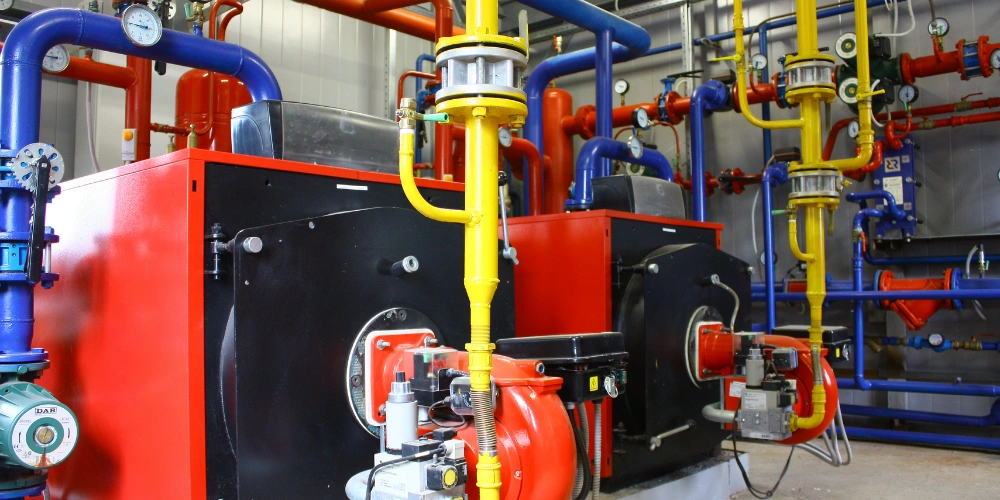
This surprises many first-time hotel developers. Many don’t see it coming. A skilled commercial plumbing engineer can surely handle a hotel project, right? Not necessarily. Hotel plumbing systems are unique. If something goes wrong, the results appear quickly.
Hotel plumbing has unique challenges due to several factors:
- **Scale and simultaneity:** Many guests can shower, flush, and use water all at once. The system must work without losing pressure. It should also avoid temperature changes on any floor.
- **System variety:** Hotels include many building types. They have a kitchen, laundry, pool, spa, guest rooms, and restrooms. Each has unique plumbing needs.
- **Regulatory complexity:** Hotels must follow the International Plumbing Code (IPC). They must follow local amendments. They also need to meet NFPA fire codes, ADA standards, and health department rules. All these need to be managed together.
- **Guest experience stakes:** Plumbing failures in a hotel are clear to guests. This is different from an office building. Cold showers or slow drains lead to bad reviews and refund requests.
Think about a hotel renovation project in Houston, Texas. The developer hired a general commercial plumber. They didn’t hire a plumbing engineer for the hotel. As a result, there were several code violations. There was also low water pressure on the upper floors. Plus, the construction was delayed by six months. After hiring a certified hotel plumbing design engineer, the project got better. It ended up costing much more than if the specialist had been hired at the start.
Engineering News-Record (ENR) says hotels should hire MEP engineers early. This can cut change orders by 12% to 18% during construction.
**Don’t wait for problems to arise.** Hire a specialist before design starts. Don’t wait until construction reveals the gaps.Here’s the best part: where to find these specialists.
3. The Best Places to Find Expert Plumbing Design Engineers for Hotels
When you’re ready to find plumbing design engineers for hotels, it helps to know where to look. This can save you time. This helps you build a strong shortlist quickly.
Top Sources to Find Expert Plumbing Design Engineers for Hotels
Finding the right engineer can be tough. Not all places are equal to look. The table below lists the top sources. It shows what each source offers and how useful they are for hotel projects. Use this as your quick reference guide before you start your search.
| # | Source | What It Offers | Best For | Difficulty to Use | Reliability |
|---|---|---|---|---|---|
| 1 | ASPE Member Directory (aspe.org) | Certified plumbing engineers with CPD credentials | Finding licensed hotel specialists | Easy | ⭐⭐⭐⭐⭐ |
| 2 | ACEC Engineering Directory | Vetted MEP engineering firms across the USA | Finding full-service MEP firms | Easy | ⭐⭐⭐⭐⭐ |
| 3 | Engineer profiles with project portfolios | Researching individual engineers | Easy | ⭐⭐⭐⭐ | |
| 4 | Hotel Developer Referrals | Word-of-mouth from trusted hotel owners | Getting proven, tested recommendations | Medium | ⭐⭐⭐⭐⭐ |
| 5 | General Contractors (Hotel Experience) | MEP partner recommendations from GCs | Finding pre-vetted team players | Medium | ⭐⭐⭐⭐ |
| 6 | State Licensing Boards | License verification and disciplinary history | Verifying engineer credentials | Easy | ⭐⭐⭐⭐⭐ |
| 7 | Architectural Firms (Hospitality Focus) | Referrals from hotel-focused architects | Finding proven design team partners | Medium | ⭐⭐⭐⭐ |
| 8 | Archinect | Professional network for architects and engineers | Discovering boutique MEP firms | Medium | ⭐⭐⭐ |
a) The American Society of Plumbing Engineers (ASPE)
ASPE is the top organization for plumbing engineers in the USA. You can use the member directory at aspe.org. It lets you search by location. You can also search by specialty or credentials. Members with the Certified in Plumbing Design (CPD) know complex systems well. This expertise is what hotel projects need.
b) The American Council of Engineering Companies (ACEC)
ACEC includes many engineering firms. They are spread across the country. Their online directory lets you filter by discipline. You can choose mechanical or plumbing. You can also select by project type. Focus on firms that showcase hospitality or hotel projects in their portfolio.
c) LinkedIn and Professional Networks
LinkedIn is great for finding specialized engineers, but many don’t use it enough. Look for “hotel plumbing design engineer” or “MEP engineer hospitality.” Filter by your state or city. Check their projects, endorsements, and professional connections. Engineers share case studies. They show their skills. You can see their expertise.
d) Referrals from Hotel Developers and Contractors
This is usually the quickest and most dependable route. Talk to hotel owners. Reach out to developers and contractors. They’ve done similar projects nearby. Just ask: “Who was your plumbing design engineer?” Would you hire them again?” A glowing review from a happy hotel guest is more valuable than any directory listing.
e) Architectural and MEP Firms with Hospitality Portfolios
Many architecture firms focus on hotel design. They have strong ties. They team up with MEP engineering partners. Ask your hotel architect. Get in touch with their top plumbing engineers. These connections are built from years of teamwork.
f) State Licensing Boards
Each state has a public database. It shows licensed Professional Engineers. In New York, you can check if an engineer has a license. The State Education Department’s Office of the Professions shows the expiration date. It also lists any disciplinary history. Always check your candidates here. You now have several strong channels to build your candidate list. The next step is to evaluate who on that list is truly qualified.
4. How to Evaluate Credentials and Experience

A list of candidates is just half the job. Choosing the right plumbing design engineer takes careful thought. Here’s a simple way to evaluate candidates for hotels: Assess each one carefully.
1: Verify Licensure
Ensure the engineer has a valid Professional Engineer (PE) license for your state. This is a must-have. Check your state’s licensing board website to verify. Don’t just trust what the engineer says.
2:Check for the CPD Credential
The Certified in Plumbing Design (CPD) credential comes from ASPE. It shows advanced skills in plumbing design. Not every PE has this, but it matters a lot for hotel work.
3: Review Their Hotel Portfolio
Request a portfolio of finished hotel projects. As you look through it, consider:
- How many hotel projects have they finished in the last five years?
- * What types of hotels are there? Luxury, budget, resort, and extended stay.
- What was the scale? How many rooms were included? What was the total square footage?
- Did the projects include pools? What about spas, commercial kitchens, or laundry facilities?
- Were any projects LEED certified or built to green standards?
4: Check References Directly
Request three to five references from hotel clients. Call them. Don’t only email. Did the engineer communicate clearly? Did they stay on budget? Did they meet deadlines? How well did they handle unexpected problems during construction?
5: Assess BIM Capability
Modern hotels use Building Information Modeling. BIM helps with planning. It also helps in construction. Ask about their software—Revit, AutoCAD MEP, and Navisworks are the industry standards. If they can’t use BIM, it will be hard to coordinate. Working with your architect and other engineers will lead to mistakes.
A 2023 report from Engineering. A study found that 74% of MEP construction failures were due to bad pre-qualification. This was a problem with the engineers. This shows a big issue in the industry. Thorough vetting is essential. It’s the most critical step in hiring.
**Mid-content CTA:** Take one full day for reference checks before signing any contract. It’s the best investment you’ll make in your hotel project.
5. Essential Questions to Ask Before You Sign a Contract
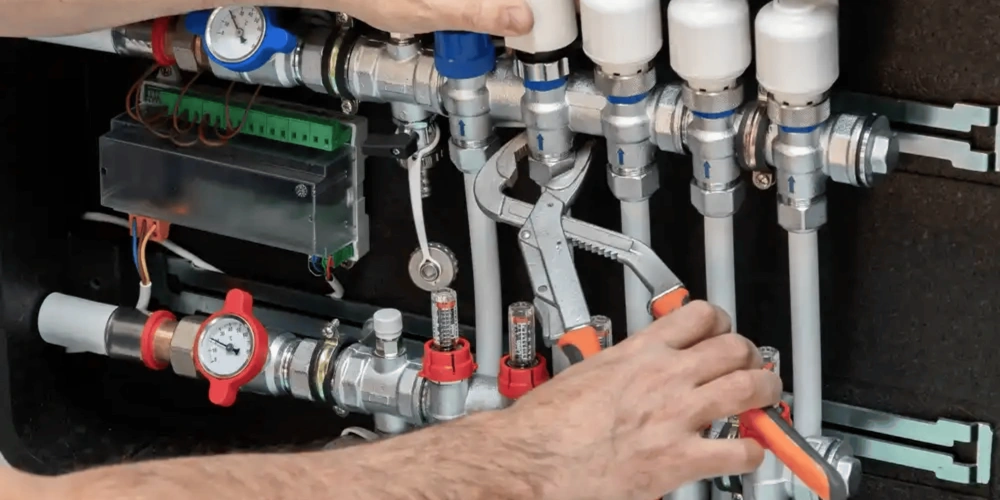
A face-to-face or video interview helps you learn more about your best candidates. Resumes and portfolios can’t show this. Here are the key questions that show the most:
About Experience:
- How many hotels have you designed plumbing systems for? What were the largest ones?
- Have you worked on projects in this city or state before? Do you know about local code amendments?
About Process:
- How do you work with the architectural and HVAC teams during design?
- When the architect makes a big design change during the project, we follow these steps:
- Review the Change: We assess the new design thoroughly.
- Communicate: We discuss the change with the team and stakeholders.
- Adjust Plans: We update timelines and budgets as needed.
- Implement: We make necessary changes to the work.
- Monitor: We keep track of progress and any further adjustments.
- This process helps ensure everything stays on track despite changes.
About Technology:
- Which BIM software do you use? How do you manage clash detection with other trades?
- Sure! Can you send stamped drawings that meet our local building department’s submission needs?
About Fees and Timeline:
- What is your fee structure? Do you charge a percentage of the construction cost, a fixed fee, or hourly?
- What is your timeline for finishing the construction documents? When do you think they will be done?
- What services are part of your fee? Which costs extra?
About Construction Phase:
- Will you check the site during construction to review the plumbing work?
- To handle Requests for Information (RFIs) from contractors:
- Review the RFI carefully.
- Check if all needed details are included.
- Respond promptly to keep the project on track.
- Clarify any confusion to avoid misunderstandings.
- Document all RFIs and responses for future reference.
An experienced engineer confidently answers these questions clearly and directly. Vague answers and reluctance to talk about past projects are red flags. Pay attention to them.
6. Costly Mistakes Hotels Make When Hiring Plumbing Engineers
Even experienced hotel developers can make easy mistakes when hiring. They should be careful during this process.Here are the most common ones and how to avoid each.
1: Prioritizing Price Over Qualifications
Choosing the lowest bid can be appealing. Cutting costs in hotel plumbing design doesn’t pay off. An underqualified engineer can make drawings that fail inspection. This may lead to costly redesigns. It can also mean missing key code requirements. Savings at the start often vanish when you see the results.
2: Hiring a General Commercial Engineer for a Hospitality Project
Having a good record in office buildings or retail centers doesn’t mean an engineer is fit for hotel work. Each type of project is different.The demand loads happen at the same time. The systems vary greatly. The stakes for guest experience are very high. Always check hotel experiences. Do it directly.
3: Skipping Reference Checks
This shortcut is common, but it’s risky. A simple talk with a past hotel client can save you months of trouble. Make the calls.
4: Bringing the Engineer in Too Late
Plumbing design should guide building choices. Plan walls, chases, and mechanical rooms first. Doing this can lead to costly problems. Wait for the plumbing engineer to get here.Involve them in schematic design. Don’t wait until the construction documents are almost done.
5: Ignoring BIM Coordination Requirements
In today’s hotel projects, MEP systems are planned using digital tools. This happens before any construction begins. An engineer who skips BIM meetings or can’t use shared Revit models causes problems. These issues affect the entire project team.
7. What Does a Hotel Plumbing Design Engineer Cost?
Clear budgets help with planning. They help you evaluate proposals fairly. Here’s what you can expect to pay for expert plumbing design engineers for hotels in the USA.
Hotel Plumbing Design Engineer — Cost, Credentials & Hiring Guide
Before you hire, look at everything in one spot. It makes things easier. The table below provides a complete overview.It covers cost ranges. It lists required credentials. It highlights warning signs.It gives tips for hiring. If you’re opening a boutique hotel in Nashville or a 300-room hotel in New York, this table helps you hire well. It can help you avoid costly mistakes.
| # | Factor | Details | Why It Matters |
|---|---|---|---|
| 1 | Average Fee (% of MEP cost) | 1.5% – 4% of total MEP construction cost | Sets your budget baseline for engineering services |
| 2 | Hourly Rate (Senior Engineer) | $120 – $200 per hour | Used for smaller scopes or construction administration |
| 3 | Fixed Fee (150-room hotel) | $60,000 – $120,000 (plumbing design only) | Best for well-defined project scopes |
| 4 | Required License | Professional Engineer (PE) — state-licensed | Non-negotiable legal requirement for stamped drawings |
| 5 | Top Credential to Look For | Certified in Plumbing Design (CPD) — issued by ASPE | Confirms advanced hotel plumbing expertise |
| 6 | Minimum Hotel Projects to Require | 5+ completed hotel projects | Ensures real hands-on hospitality experience |
| 7 | BIM Software Required | Revit, AutoCAD MEP, Navisworks | Needed for clash detection and team coordination |
| 8 | Best Time to Hire | During schematic design phase | Prevents costly structural and architectural conflicts |
| 9 | References to Request | 3–5 hotel-specific client references | Reveals true performance under real project conditions |
| 10 | Proposals to Collect | Minimum 3 competing proposals | Ensures fair pricing and scope comparison |
| 11 | Red Flag 1 | No hotel-specific project experience | Risk of code violations and design errors |
| 12 | Red Flag 2 | Cannot work in BIM software | Creates coordination problems with the full design team |
| 13 | Red Flag 3 | Unfamiliar with local building code amendments | Risk of failed inspections and costly redesign |
| 14 | Red Flag 4 | Reluctant to provide hotel client references | Signals poor past performance or lack of experience |
| 15 | Code Compliance Must-Haves | IPC, NFPA 13, ADA, ASHRAE, local amendments | All must be met for permit approval and occupancy |
Common Fee Structures:
- **Percentage of MEP Construction Cost:** This is the most common model. Plumbing design usually accounts for 1.5% to 4% of total MEP construction costs. The percentage depends on the project’s complexity.
- **Fixed project fee:** Offers budget certainty for clear scopes. It works best when the project details are fully set before design starts.
- **Hourly rate:** This rate is meant for smaller tasks or ongoing project management. Senior hotel plumbing engineers charge $120 to $200 an hour. This is common in big cities.
- Factors That Drive Cost Up:
- Hotels with many rooms and various features (pool, spa, different restaurants)
- Complex local codes (New York City, San Francisco, Chicago)
- Accelerated design schedules
- Top-notch construction management service
- LEED or sustainability certification requirements
A Real Benchmark:
RS Means Construction Cost Data is a trusted source for hotel developers in the USA. MEP engineering services for a 150-room hotel cost between $180,000 and $350,000. Plumbing design makes up about one-third of the total cost, which is around $60,000 to $120,000 for a project of this size.
**Mid-content CTA:** Always ask for at least three detailed proposals. Compare scope carefully — not just the bottom-line number — before making your decision.
8. Building Codes Every Hotel Plumbing Engineer Must Know

Code compliance shows the value of hotel plumbing engineers. They ensure safety and meet all standards.A missed code requirement can halt a project. It may even lead to liability once the hotel opens.
The Key Codes and Standards:
- **International Plumbing Code (IPC):** This is the main standard used by most U.S. states. Governs fixture counts. It covers pipe sizing, water pressure needs, and system performance.
- **NFPA 13:** This is the National Fire Protection Association’s standard. It covers fire sprinkler systems. All hotels in the USA must follow it.
- **Americans with Disabilities Act (ADA):** This law says plumbing fixtures need to be easy to reach. This includes guest rooms, public restrooms, and common areas. Non-compliance creates both legal exposure and failed inspections.
- State and Local Amendments: This is where many engineers stumble. New York City uses its own NYC Plumbing Code, which departs significantly from the IPC in many areas. Los Angeles, Chicago, and other major cities have similar local variations.
- **ASHRAE Standards 90.1 and 189.1:** These standards focus on energy efficiency. They apply to water heating systems. Water heating uses a lot of energy in hotels.
If you don’t follow even one standard, it can cause problems. You might fail inspections or face costly redesigns. There could be contractor delays and municipal fines. Most importantly, you won’t get a certificate of occupancy. This means your hotel can’t open legally.
A plumbing design engineer knows these codes well. They understand how they work together. They know how local jurisdictions interpret these laws. This knowledge is worth every dollar of their fee.
9. How to Build a Great Working Relationship with Your Engineer

Finding and hiring the right engineer is just the start. How you work with them during the project affects the final quality.
Involve Them Early
Bring your plumbing engineer into the first design team meetings. Their input on building layout is very important. So is their feedback on mechanical room sizing, utility connections, and floor-to-floor heights. It’s best to get this information before decisions are made, not after.
Provide Complete, Accurate Information
Give your engineer everything right from the start. This means site surveys and utility data. Include water pressure at the meter and sewer capacity. Provide architectural plans too. Don’t forget a full hotel program. It should describe every room type and facility. Missing information causes incomplete design.
Protect the Design Timeline
A well-designed hotel plumbing system takes time. Unrealistic deadlines force shortcuts. Build a realistic design schedule and protect it. Rushing engineering documents raises costs. These costs show up in construction, not in the office.
Participate in BIM Coordination
Go to BIM coordination meetings. If you can’t, have your project manager go. These sessions catch system conflicts before they become field problems. Active owners help the team stay focused. They also speed up decisions.
Keep the Engineer Engaged During Construction
Your engineer should:
- Visit the site regularly.
- Answer contractor RFIs.
- Check shop drawings during construction.
This construction phase turns design into reality. It’s also the time to catch problems before they become permanent.
Frequently Asked Questions
What qualifications should expert plumbing design engineers for hotels have?
Look for these key qualifications:
- A current Professional Engineer (PE) license in your state
- Membership in the American Society of Plumbing Engineers (ASPE)
- The Certified in Plumbing Design (CPD) credential
Make sure they have real experience designing plumbing systems for hotels. The hotels should be similar in size and complexity. Always speak to past hotel clients before making your final decision.
Where is the best place to find expert plumbing design engineers for hotels in the USA?
The best sources are:
- The ASPE member directory at aspe.org.
- The ACEC engineering firm directory.
- LinkedIn searches for hospitality experience.
- Referrals from hotel developers or general contractors. They should have worked on similar projects.
You can verify the PE license status of any candidate. Just use the state licensing boards.
How much should I budget for a hotel plumbing design engineer?
For a 150-room hotel, plumbing design fees typically range from $60,000 to $120,000. This depends on how complex the project is and the market conditions. Fee structures usually range from 1.5% to 4% of MEP construction costs. Collect at least three competitive proposals. Then, compare the scope of services, not just the total fee.
Why can’t a standard commercial plumber handle hotel plumbing design?
Licensed plumbers install and maintain piping systems. They do not design them. Hotel plumbing design needs a Professional Engineer (PE). They create stamped drawings for permits. They also design systems that follow different codes. Plus, they work with architects and other engineers in a BIM environment. This is engineering work, not just trade work.
When during a hotel project should I hire the plumbing design engineer?
Get your plumbing engineer involved early. Do this during the schematic design phase. It’s important before major architectural and structural choices are made. Involving the engineer early helps with the building layout. They can size the mechanical room, too. It also makes planning utility connections easier. This stops costly problems in construction. Hiring late is a major mistake in hotel development.
📋 Quick Summary
Choosing the right plumbing engineer matters for hotel building. It can greatly impact the project. Hotel plumbing systems are complex. They must follow strict codes. These systems are key for guest satisfaction. They also ensure reliable operations.
Key Points Covered:
- Hotel plumbing engineers manage hotel plumbing. They plan water flow. They also handle drainage. They work on fire safety and code rules.
- Hotel experience is key. General engineers can’t do hospitality projects.
- You can find expert plumbing design engineers for hotels through:
- ASPE
- ACEC
- Trusted developer referrals
- These sources are reliable and widely used.
- Check PE licensure. Verify CPD certification. Look for hotel experience. Ensure knowledge of local codes before hiring.
- Design fees usually fall between 1.5% and 4% of MEP construction costs. Get several proposals and compare the scope, not just the price.
Conclusion
Remember this: finding expert plumbing design engineers for hotels is important. Don’t rush it. Don’t treat it lightly.The plumbing system is the hidden backbone of your hotel. When it fails, your guests notice right away.
Here are your top three action steps:
- Start early. Bring in your plumbing engineer early. Do this during the schematic design phase. It’s important to act before structural and architectural choices fix the building’s layout.
- Use trusted channels.
Your best sources for qualified professionals are:- The ASPE member directory
- ACEC listings
- Referrals from hotel developers
- Verify everything. Check the PE license, look over the hotel portfolio, and call past hotel clients. There’s no shortcut that works here.
Hotel developers in the USA have a key insight. From boutique hotels in Nashville to big convention centers in New York, they all agree. Hiring the right plumbing design engineer from the start is a smart choice.
Here’s a simpler version:I always tell my clients: the best time to fix your systems is before pouring concrete.
Begin your search today. Check the ASPE directory. Collect at least three proposals. Check all references. Choose a partner who has real experience. Your guests deserve a hotel that works perfectly every time.
Found this guide helpful? Share this with a hotel developer or project manager on your team. If you have questions or want to share your experience, leave a comment below. I read every one.
.