How Much Does A Plumber Charge To Unclog A Toilet?

As a plumber, I come across various household issues. One of the most common is a clogged toilet. Many homeowners first use a plunger. They try to fix the problem this way. It works sometimes. Sometimes, the clog is deeper or more complex than it looks.
I’ve visited homes where the issue was simply too much toilet paper stuck in the trap, which is a quick fix. Other times, the problem turned out to be a toy, a bottle cap, or even a deeper blockage in the main sewer line. In those cases, repairs take more time. You need the right tools and professional experience.
Homeowners often ask, “How much does a plumber charge to unclog a toilet?” The answer varies. Costs depend on the type of clog and the complexity of the job.In this guide, I’ll cover common charges. I’ll also explain what affects prices. Plus, I’ll share tips for hiring a plumber.
Need info on home plumbing? Our Complete Home Plumbing Guide has it all. It lists common problems, offers maintenance tips, and tells you when to call a pro. It’s a helpful tool for homeowners. It lets them learn about their plumbing before making repairs.
Key Takeaways
Most toilet clogs are fixed with a toilet auger for $100 to $250. If foreign objects are involved, pulling and resetting the toilet costs $250 to $450. Main sewer line blockages are pricier, ranging from $300 to over $800. Adding a camera inspection adds around $250. Prices vary depending on flat-rate or hourly models. Service-call fees range from $50 to $150. After-hours premiums and local living costs also play a role. If plunging doesn’t work after a few tries, call a pro. Make sure to get a clear, all-in price before they start the job.
Summary
Most clogs are simple and cost $100–$250 to clear with a toilet auger. Pulling and resetting a toilet to remove foreign objects usually costs $250 to $450. For main sewer line blockages, expect charges from $300 to over $800. If you add a camera inspection, that’s an extra ~$250. Expect differences in flat-rate and hourly pricing. Service-call fees range from $50 to $150. Rates may be higher for after-hours, emergency calls, or in high-cost areas. If plunging doesn’t work after a few tries, call a pro. Make sure to confirm the total price before they start.
In most cases, toilet backups are just a “simple clog.” This means the blockage is stuck in the toilet’s built-in trap. This is often caused by too much toilet paper or a build-up of so-called “flushable” wipes. A pro uses a toilet auger. This tool is better than a plunger. It can go around the bowl’s curves without scratching the porcelain. It’s a distinct tool from a standard drain snake, which can cause damage.
For this simple job, snaking a toilet usually costs between $100 and $250. Many companies offer a plumber flat rate for a toilet clog of this nature, so you know the full price upfront. This toilet auger service offers a quick fix. It usually takes under an hour and helps get your home back to normal. Plus, there are no surprise fees. It’s a common toilet repair cost for minor clogs.
When a Clog Costs More: Removing Toys, Roots, or Deep Blockages
Sometimes, the problem isn’t just paper. If a solid object—like a toy, a shampoo cap, or a bar of soap—gets flushed, a basic auger won’t break it down or pull it out. These “foreign object clogs” get stuck deep in the toilet’s curved trap. They need a hands-on fix. The plumbing repair cost can rise here, as the job gets more complex than a simple clog.
To solve this, a plumber will likely need to “pull the toilet.” They will turn off the water, drain the tank and bowl, then unbolt and lift the toilet off the floor. This lets them reach the obstruction directly. They can then remove it safely without harming your toilet or pipes. Reinstalling the toilet takes a lot of work. You need skill to do it right and avoid leaks.
Because of this significant extra work, the price to remove a foreign object from a toilet is higher. A simple clog costs less than $250. But if you need to pull and reset the toilet, expect to pay between $250 and $450. You’re paying for the plumber’s time, skills, and materials for a new waterproof seal. While this is a common issue, it’s a clear example of how the type of clog, not just its existence, dictates the final bill.
Average Cost to Unclog a Toilet (Added Table)
Here’s a quick overview of typical costs for unclogging a toilet. This table lists common types of clogs and their average prices.
| Service Type | Typical Cost | Details |
| Simple toilet clog (toilet auger) | $100 – $250 | Most common clog caused by toilet paper or wipes |
| Removing foreign objects | $250 – $450 | Requires pulling and resetting the toilet |
| Main sewer line clog | $300 – $800+ | Deeper blockage affecting multiple drains |
| Camera inspection | ~$250 | Used to diagnose pipe issues |
| Service call fee | $50 – $150 | Initial visit and problem diagnosis |
Signs of a Main Drain Clog vs. a Toilet Clog
Sometimes, a stubborn toilet is just the first symptom of a much larger issue. If the clog isn’t in the toilet, it might be in your main sewer line. This is the big pipe that carries all wastewater away from your home. Think of it as a highway. If there’s a big traffic jam there, it doesn’t matter if your small street (the toilet’s pipe) is clear. Nothing can get out.
So how can you tell the difference? A main drain clog affects more than one fixture. Watch for these tell-tale signs:
- Multiple slow drains in your house, especially in the shower or sinks.
- Gurgling sounds coming from other drains when you flush the toilet.
- Water backing up into your bathtub or shower when the washing machine drains.
If you’re noticing any of these, you’re dealing with more than a simple toilet backup. Fixing a main line clog is trickier and costlier. This is because the blockage is deeper, larger, and harder to access. Plumbers use strong, heavy-duty tools to clear clogs. They often access the line through an outdoor cleanout port.
The cost to clear a main line sewer clog is higher due to its complexity. It usually ranges from $300 to $800 or more. If the cause is unclear, your plumber might suggest a camera inspection. This usually costs $250 or more. It can help determine if the issue is just a buildup or something serious, like invasive tree roots. This diagnosis is critical for preventing the problem from happening again.
Decoding Your Plumber’s Bill: Flat Rate vs. Hourly Charges Explained
When you get a quote from a plumber, the price is usually structured in one of two ways. Many professionals offer flat-rate pricing. This means they charge one set price for a specific job, such as unclogging your toilet. Another common method is an hourly rate. Here, the final bill depends on how long the plumber works on the issue, plus the cost of any parts.
Before starting any work, most plumbers charge a service call fee, also known as a trip charge. This is a minimum fee (often $50-$150) that covers their time and expense to travel to your home and diagnose the issue. In most cases, if you agree to have them perform the repair, this fee is waived or applied toward the final bill. Consider it a deposit for their skills. That’s why a clear plumbing service call fee is a sign of a good pro.
For a toilet clog, a plumber flat rate for a toilet clog is often the safer bet for you as a homeowner. A simple clog can lead to bigger issues. A flat rate protects you from a high bill if the job takes longer than expected. A plumber’s hourly rate for clogs may look good for a “quick fix.” But, it can lead to a running meter if unexpected problems come up.
The Hidden Cost Factors: Why Time-of-Day and Location Affect Your Bill
A clogged toilet doesn’t care about business hours, but your plumber’s bill will. Calling on a night, weekend, or holiday almost always triggers a higher rate. The emergency plumber cost for a blocked toilet isn’t just a small surcharge; it can be quite high. A standard daytime job that might cost $150 could easily jump to $250-$400 or more for the same fix after hours. This premium pays the plumber for being on-call. They’re ready to solve your problem right away.
Beyond the clock, where you live plays a major role in the overall plumbing repair cost . Local plumber rates for toilet stoppage vary, just like gas prices and housing. This variation depends on the cost of living in your area. A plumber in a dense urban center like New York or San Francisco will have higher rates than one in a small, rural town. This difference is due to higher local business costs. These costs include insurance. They also cover fuel and wages for skilled workers.
DIY vs. Pro: Is It Worth Paying a Plumber to Unclog a Toilet?
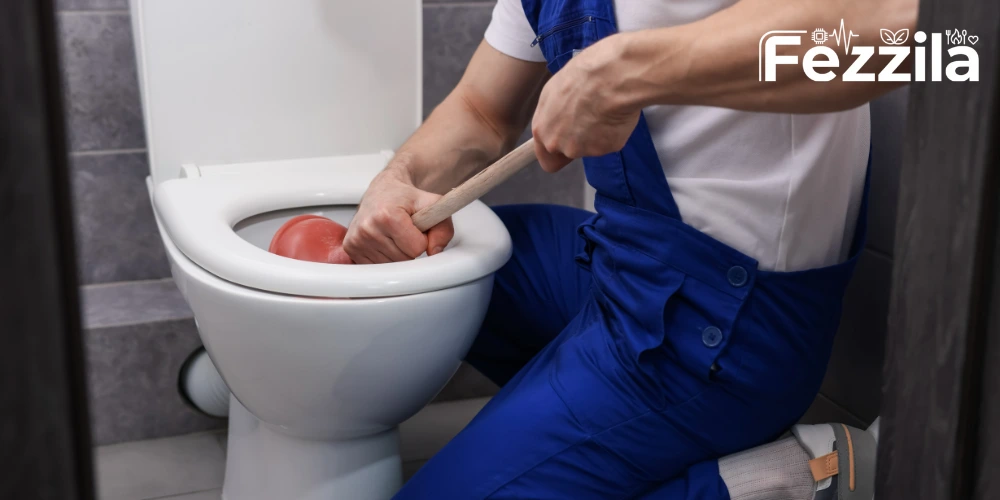
Facing a stubborn clog, it’s tempting to run to the hardware store for a cheap drain snake. DIY toilet snaking might seem like a quick and cheap fix, but it has hidden risks compared to hiring a pro. Inexpensive metal tools can scratch the porcelain in your toilet bowl. This leaves permanent marks. What starts as an attempt to save money can end up defacing the fixture you were trying to fix.
Beyond cosmetic damage, a far bigger problem occurs if a flimsy tool bends, breaks, or gets stuck in the drain. This quickly makes your simple clog a more complex—and costly—job for the plumber you’ll need to call. A professional’s value goes beyond just having better tools. It’s their skill in diagnosing problems correctly, so they don’t make things worse.
So, is it worth paying a plumber to unclog a toilet ? Call a plumber for a clogged toilet if your plunger can’t clear the blockage after a few tries. Using the wrong equipment can lead to higher costs later. It’s often cheaper to call a professional from the start.
How to Get a Fair Quote and Avoid Surprises Before Work Begins
The biggest worry after calling a pro isn’t the clog. It’s the surprise on the final bill. You can avoid this anxiety by taking control of the conversation from the very first phone call. To get a fair plumbing quote, focus on clear questions. This way, everyone understands the job. A transparent plumber will welcome them.
When you call, have a short list of questions ready. Their answers will reveal how they do business and help you estimate the cost. They can’t give a final price over the phone, but they can clarify how their pricing works. Here’s exactly what to ask:
- Do you charge a flat rate for a toilet clog, or do you charge by the hour?
- What is your service call or “trip” fee, and is it applied to the final repair cost?
- For a simple clog, can you give me a general price range based on your local plumber rates?
- Crucially: Will you confirm the final, total price with me on-site before you start any work?
That last question is the most important one. An estimate over the phone is just a guess. When the plumber arrives, they will check the issue. Then, they can identify the problem and provide a final price for the repair. Getting that all-in cost before starting is your best way to avoid unexpected fees. A professional will wait for your “OK” before picking up a tool.
Your Action Plan: Getting Your Toilet Fixed at a Fair Price
You had a tough problem and one big question: how much does a plumber charge to unclog a toilet? You now know the answer isn’t a single number, but a story told by the clog itself. You’ve moved from feeling stuck to knowing the signs and what they mean for your wallet.
Your power lies in the questions you ask. It could be a simple blockage fixed in minutes, a toy needing the toilet removed, or a deeper main line issue. To get a fair plumbing quote and control toilet repair costs, ask if they charge a flat rate or by the hour. Also, request an estimate before any work starts.
That single action transforms you from a spectator into an active partner in the repair. You now know how to call a pro with confidence. You know the costs. This way, you can restore your home without worrying about unexpected bills. Your plumbing problem is manageable.
Frequently Asked Questions
Homeowners often have questions about toilet clogs. They also wonder about plumbing costs. A key question is, “How much does a plumber charge to unclog a toilet?” Here are common questions. Below are their simple answers. This will help you understand the problem and the possible costs.
What does a plumber typically charge to unclog a toilet?
For a simple clog cleared with a toilet auger, expect $100–$250. If a foreign object requires the plumber to pull and reset the toilet, it’s usually $250–$450. If the blockage is in the main sewer line, clearing it usually costs $300 to $800 or more. If you need a camera inspection, that adds about $250. Some plumbers also have a $50–$150 service-call fee that’s often applied to the repair. Always ask for the final, all-in price on-site before work begins.
How can I tell if it’s a toilet clog or a main sewer line clog?
A toilet-only clog usually only impacts the toilet. It often happens because of paper or wipes stuck in the toilet’s trap. A main line clog can cause various issues in your home. You may notice slow drains. You might hear gurgling sounds in other drains when you flush. Also, water could back up into tubs and showers while the washing machine runs. If you see those signs, it’s likely a main line issue rather than a simple toilet blockage.
Is flat-rate or hourly pricing better for unclogging a toilet?
Flat-rate pricing is safer for homeowners. It protects you if the job takes longer than expected. Many plumbers charge a service-call fee, usually between $50 and $150. This fee might be waived or applied if you decide to go ahead with the service. If you’re quoted hourly, the “meter” can run if complications arise. Whichever model they use, ask them to confirm the firm, total price on-site before starting.
How much more will I pay for after-hours service or in high-cost areas
Nights, weekends, and holidays usually cost significantly more. A daytime $150 job can jump to $250–$400+ after hours. Location is important. Dense, high-cost areas, like big cities, often have higher rates. This is mainly due to the increased business expenses compared to rural areas.
Should I try to DIY this, or call a pro—and when?
Try a few solid plunges first. If that doesn’t work, stop and call a pro. Cheap metal snakes can scratch porcelain or get stuck, making a simple fix more costly. Pros use a toilet auger and the right technique to clear clogs. This way, they avoid damaging the fixture.
Conclusion
As a plumber, I’ve seen all kinds of toilet problems over the years. Most clogs are easy to fix quickly. But some can be deeper, like foreign objects or blockages in the main sewer line. That’s when professional experience really helps.
Knowing what type of clog you have and what it might cost can save you surprises. If a plunger doesn’t work, it’s usually best to call a plumber. Using the right tools helps fix your toilet safely. It also prevents damage.
Ask clear questions and confirm the price before the work starts. With the right knowledge and a trusted plumber, a clogged toilet can be fixed quickly and easily.