
How Much Does a Plumber Cost to Install a Toilet?

Your old toilet is leaking, rocking, or just worn out — and you need answers fast. The biggest question on your mind is probably: how much does a plumber cost to install a toilet?
It’s a fair question. Plumbing work isn’t cheap, and getting caught off guard by a big bill is never fun. Whether you’re replacing a broken toilet in a Brooklyn apartment or upgrading a bathroom in a suburban Houston home, knowing the costs upfront puts you in control.
I’m Archie M. Guerrero, a Home Decoration and Repair Specialist based in New York, NY. Over the years, I’ve helped hundreds of homeowners navigate plumbing projects just like this one. I’ve seen toilets installed for $150 and others that ran well past $600 — and the difference always comes down to a few key factors.
In this guide, you’ll learn exactly what drives toilet installation costs. We’ll cover average plumber rates, what affects your final bill, tips to save money, and mistakes to avoid. This post is part of our broader Complete Home Plumbing Guide — your go-to resource for all things plumbing in the home.
By the end of this article, you’ll know exactly what to expect, how to budget smartly, and how to choose the right plumber for the job.
Let’s break it all down for you.
Key Takeaways:
- How much does a plumber cost to install a toilet typically ranges from $150 to $400 in labor costs across the USA.
- The total project cost — including the toilet unit itself — usually falls between $300 and $800 for most American homeowners.
- Factors like your city, toilet type, and existing plumbing condition can push the final price significantly higher or lower.
- Hidden costs such as flange repair, wax ring replacement, and shut-off valve issues can add an extra $100 to $400 to your bill.
- Getting at least three written quotes from licensed local plumbers is the smartest way to avoid overpaying.
How Much Does a Plumber Cost to Install a Toilet?
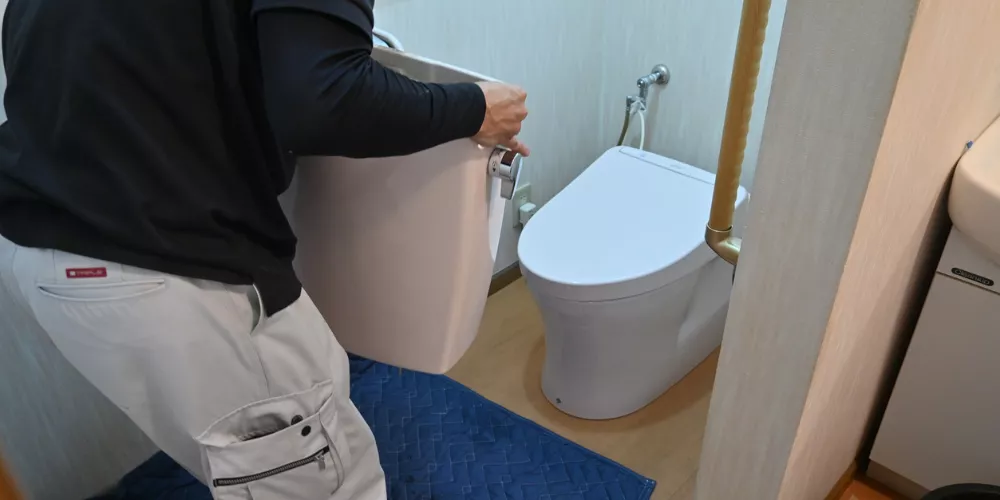
So, how much does a plumber cost to install a toilet in the USA? On average, most American homeowners pay between $150 and $400 for a standard toilet installation. This price usually covers labor only, assuming the toilet itself has already been purchased. However, the total project cost — including the toilet, parts, and labor — can range from $300 to $800 or more depending on your location and situation.
According to HomeAdvisor, the national average for toilet installation sits around $372, though prices vary widely by city and state. In high-cost cities like New York or San Francisco, labor rates push that number higher. In smaller towns or rural areas of the Midwest, you might pay less.
The good news? Understanding what drives these costs helps you plan better and avoid surprise charges. Let’s start with the basics — plumber hourly rates.
What Is the Average Plumber Labor Cost for Toilet Installation?
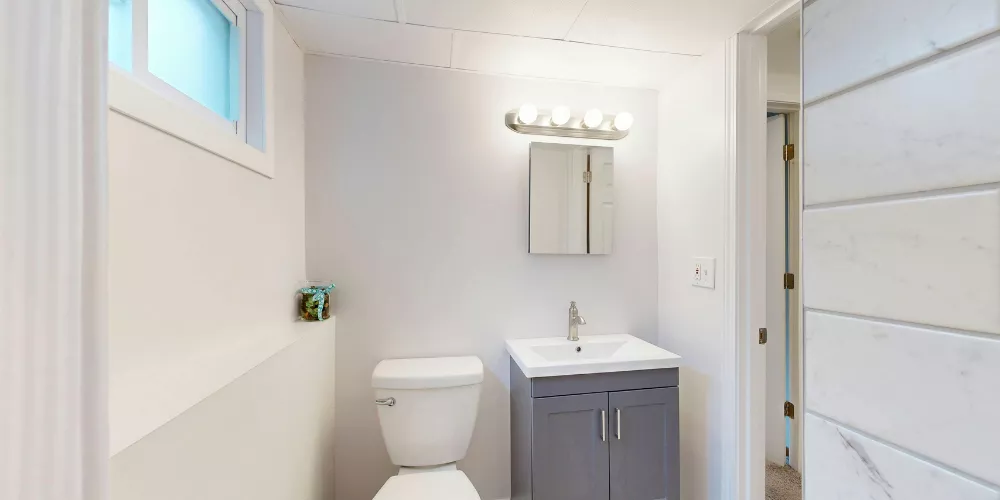
The first thing to understand is how plumbers charge. Most licensed plumbers in the USA charge by the hour or by the job (flat rate). Knowing this helps you compare quotes fairly.
Typical plumber hourly rates in the USA:
- Budget/entry-level plumbers: $65 – $100/hour
- Mid-range licensed plumbers: $100 – $150/hour
- Master plumbers or specialists: $150 – $200+/hour
A standard toilet swap — removing the old one and installing a new one — typically takes 1 to 3 hours. So at $100/hour, that’s $100 to $300 in labor alone.
Many plumbers also charge a service call or dispatch fee, usually between $50 and $100. This fee covers the cost of showing up to your home, even before any work begins.
In New York City, where I do most of my work, licensed plumbers often charge $125 to $175 per hour. A simple toilet replacement in Manhattan can easily run $350 to $500 in labor alone. That’s why getting quotes from multiple contractors is so important.
Tips to keep labor costs fair:
- Ask if they charge hourly or flat rate
- Request an itemized written estimate
- Avoid plumbers who can’t give a clear quote upfront
- Check if weekend or emergency rates apply
According to the U.S. Bureau of Labor Statistics, the median annual wage for plumbers in the USA was over $59,000 in recent years — meaning plumbing expertise doesn’t come cheap, and that’s reflected in their rates.
Start by calling at least two or three local plumbers for quotes — it’s free and takes only a few minutes!
Understanding labor rates is just the starting point. Next, let’s look at the factors that can make your bill go up or down significantly.
Key Factors That Seriously Affect Your Total Cost

Not every toilet installation is the same. Several important factors determine how much does a plumber cost to install a toilet at your home specifically.
1. Your Location Labor costs vary dramatically across the USA. Installing a toilet in Los Angeles or New York costs significantly more than in Columbus, Ohio, or Boise, Idaho. Urban areas have higher demand, higher living costs, and stricter licensing requirements — all of which push prices up.
2. Toilet Type and Complexity A basic two-piece toilet is straightforward to install. A wall-hung toilet or a smart toilet with built-in bidet features requires much more work and specialized knowledge.
3. Condition of the Existing Plumbing If your existing flange, water supply line, or shut-off valve is corroded or damaged, the plumber needs to repair those too. That adds time and cost.
4. Accessibility A first-floor bathroom with easy access is much simpler than a tight basement bathroom or a second-floor installation in an older New York brownstone. Tight spaces slow plumbers down.
5. Permit Requirements Some states and municipalities require a permit for toilet replacement, especially if it involves moving plumbing lines. Permits typically cost $50 to $150 and add time to the project.
Quick breakdown of cost factors:
- Location (city vs. rural): ±$50–$200
- Toilet complexity: ±$50–$300
- Plumbing repairs needed: ±$50–$400
- Permit fees: ±$50–$150
- Emergency or after-hours service: ±$50–$150
Once you know these factors, you can better predict your bill and avoid sticker shock. Keep this list in mind when calling plumbers for quotes — it helps you ask the right questions.
Now let’s look at how the type of toilet you choose changes the final cost.
Types of Toilets and How They Change the Price
The toilet you choose matters — a lot. Different styles come with different price tags for both the unit itself and the installation labor.
Common toilet types and estimated costs (toilet + installation):
| Toilet Type | Toilet Price | Installation Cost | Total Estimate |
| Two-piece (standard) | $100 – $300 | $150 – $300 | $250 – $600 |
| One-piece | $200 – $600 | $150 – $300 | $350 – $900 |
| Wall-hung | $500 – $1,200 | $300 – $600 | $800 – $1,800 |
| Smart/bidet toilet | $600 – $2,000+ | $200 – $500 | $800 – $2,500 |
| Compact/corner toilet | $150 – $400 | $150 – $300 | $300 – $700 |
Two-piece toilets are the most popular in American homes. They’re affordable, easy to find at Home Depot or Lowe’s, and simple to install. Brands like American Standard and TOTO offer reliable options in the $150–$300 range.
One-piece toilets look sleeker and are easier to clean, but they’re heavier. That extra weight can add labor time — especially on upper floors.
Wall-hung toilets are the most expensive to install. They require opening the wall to anchor a carrier frame, which adds significant labor. They’re beautiful but not budget-friendly.
Smart toilets, like TOTO Washlet and Kohler Numi, have heated seats. They flush on their own. They also have bidets. Installation may require an electrical outlet nearby, adding another layer of cost.
Many American homeowners want affordable options. A two-piece toilet from American Standard or Kohler is a great pick. It’s reliable and offers good value. A local plumber can install it for even more peace of mind.
Check your local Home Depot or look online for prices before calling your plumber. It helps you budget better!
Next, we’ll uncover the hidden costs that catch many homeowners completely off guard.
Hidden Costs Most Homeowners Never See Coming

This is the section most plumbing guides skip — but it’s one of the most important. Hidden costs can add $100 to $500+ to your final bill if you’re not prepared.
The most common hidden costs include:
1. Wax Ring Replacement ($10–$50 for parts, $50–$100 labor) Every toilet sits on a wax ring that seals it to the floor flange. When replacing a toilet, the wax ring must always be replaced. Most plumbers include this, but always confirm upfront.
2. Toilet Flange Repair or Replacement ($150–$300) The flange links the toilet to the drainpipe. It is important for proper function. If it’s cracked, rusted, or too low, it must be repaired. This is common in older homes. It especially affects those built before the 1970s in the Northeast and Midwest.
3. Shut-Off Valve Replacement ($75–$200) The small valve behind your toilet controls the water flow. It may need to be replaced. It manages the water supply to the toilet. In older homes, these valves can be corroded or stuck. A plumber will often recommend replacing it while they’re there — and it’s usually a smart move.
4. Water Supply Line ($10–$30 for parts). Most plumbers change the flexible hose. This hose connects the toilet to the wall valve. It’s inexpensive but adds a small amount to your bill.
5. Floor Damage or Subfloor Repair ($200–$600+) A slow leak from an old toilet can damage the floor below. It may become soft, rotted, or moldy. This requires a carpenter or handyman to fix before the plumber can set the new toilet.
6. Toilet Haul-Away Fee ($25–$75) Some plumbers charge extra to haul away your old toilet. Ask about this upfront to avoid surprises.
Have your plumber check things out first. Finding problems early saves you money and stress!
Understanding hidden costs is key. Now let’s talk about how to find a great plumber without overpaying.
How to Find a Reliable Plumber Without Overpaying
Finding a good plumber isn’t just about price. It’s about trust, quality, and value. Here’s how to do it right the first time.
Step-by-step guide to finding a trustworthy plumber:
- Ask for referrals — Neighbors, family, and friends are your best source. Word-of-mouth beats any online ad.
- Check online reviews. Use Google, Yelp, and Angi (formerly Angie’s List). They share real customer feedback.
- Check licensing and insurance. Every state in the USA requires plumbers to have a license. Ask for the license number. Check it with your state’s board.
- Get at least 3 quotes — Never go with the first quote. Prices can vary by $100 to $200 for the same job.
- Ask for a written estimate — This protects you from scope creep and surprise charges.
- Check for warranty — Reputable plumbers offer a labor warranty of at least 90 days.
Red flags to avoid:
- No license or insurance
- Asking for full payment upfront
- Vague or verbal-only quotes
- No online presence or reviews
- Pressuring you to decide immediately
Websites like Angi, HomeAdvisor, and Thumbtack let you compare local plumbers. You can read reviews and get quotes—all in one spot. These platforms are widely used across the USA and are a great starting point.
In New York, the Department of Buildings has a public database. It shows licensed plumbers. Most states have similar resources. Always verify before you hire!
Start your search today — a quick online search for “licensed plumber near me” is the easiest first step!
Once you’ve found a good plumber, there are still smart ways to reduce your total cost. Let’s explore those next.
Smart Ways to Save Money on Toilet Installation

Good news — there are several proven ways to lower how much you pay without cutting corners on quality.
Top money-saving tips:
- Buy the toilet yourself. Getting it from Home Depot, Lowe’s, or online saves you money. Plumbers often mark up toilet prices by 20–40%. Buy it yourself and have it ready when they arrive.
- Schedule during off-peak times — Avoid emergency calls. Book your appointment on a weekday during normal business hours. Weekend and evening rates are often 25–50% higher.
- Combine plumbing jobs. If you have small tasks, like a dripping faucet or a running toilet, fix them at the same time. This saves time. Most plumbers give a better hourly deal when there’s more work.
- Pick a local plumber, not a big chain. Large plumbing companies often charge more. They have higher overhead costs. A licensed independent local plumber may offer better rates.
- Check for rebates. Some water utilities offer cash back. You can get this when you upgrade to a WaterSense-certified low-flow toilet. EPA’s WaterSense program partners with utilities across the USA to offer these savings.
- Prepare the space beforehand — Clear the bathroom of rugs, towels, and items under the sink. Faster access means less labor time.
The EPA says WaterSense-labeled toilets use at least 20% less water. That’s compared to standard models. Over time, that saves you money on your water bill too.
These simple steps can realistically save you $50 to $200 on your total installation bill. That’s money back in your pocket!
Now let’s address the big debate — should you hire a plumber or try to DIY?
DIY vs. Hiring a Plumber — What’s Really Worth It?
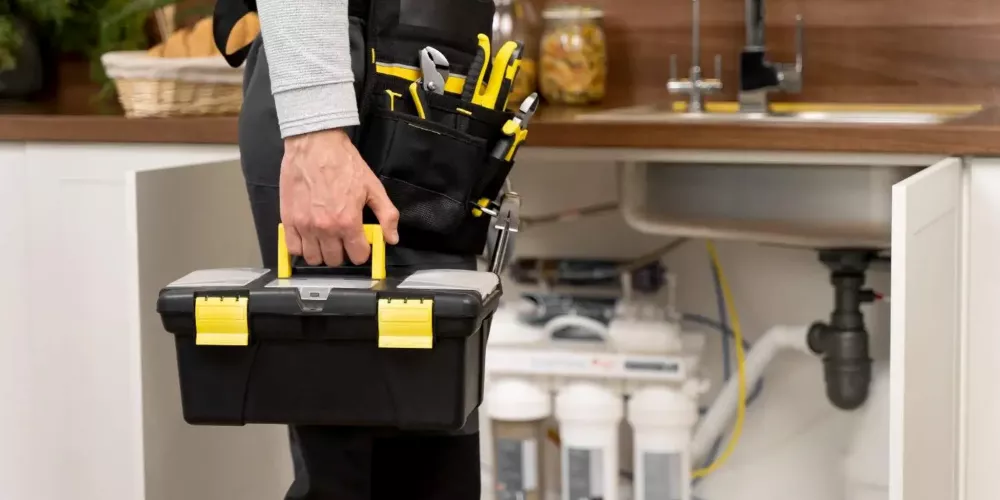
Many handy homeowners wonder: can I just install this toilet myself? It’s a fair question. Let’s look at both sides honestly.
DIY Toilet Installation:
Installing a toilet yourself is possible if you’re comfortable with basic home repairs. A standard toilet swap — remove old, set new, connect water — can be done in 2 to 4 hours with basic tools.
You’ll need:
- Adjustable wrench
- Putty knife
- New wax ring
- New water supply line
- Gloves and towels
Potential savings: $150–$400 in labor costs.
Risks of DIY:
- Incorrect seating can cause leaks under the floor. This can lead to mold and structural damage.
- Cracked flanges or improper wax ring seating are common DIY mistakes
- If anything goes wrong, a plumber may charge more to fix a bad DIY job
- Some areas require a licensed plumber by code — especially in New York City
When to always hire a plumber:
- Wall-hung or smart toilet installation
- Damaged or corroded flange
- Moving drain or supply lines
- Building in a condo or apartment with HOA or code requirements
- You’ve never done plumbing work before
For most homeowners, I recommend hiring a licensed plumber for toilet installation. The risk of a slow leak ruining your subfloor far outweighs the $150–$300 in saved labor. DIY toilet installs in New York apartments can cause big problems. They can lead to thousands of dollars in water damage for neighbors below.
If you’re confident and handy, a basic swap is manageable. Otherwise, leave it to the pros — it’s worth every penny.
The peace of mind alone makes hiring a licensed plumber the smarter choice for most households!
Quick Summary:
How much does a plumber cost to install a toilet? In most parts of the USA, you can expect to pay $150 to $400 in labor and $300 to $800 total when including the toilet itself. Costs vary by location, toilet type, plumber experience, and any unexpected repairs. To save money, get several quotes. Buy your own toilet and schedule work during business hours.
Key Points Covered:
- Average plumber labor cost for toilet installation is $150–$400
- Total project cost (toilet + labor) ranges from $300–$800 in most US cities
- Toilet type significantly affects both purchase price and installation complexity
- Hidden costs like flange repair and valve replacement can add $100–$400 more
- Always verify licensing, get written quotes, and compare at least three plumbers
Frequently Asked Questions
You’ve got questions — and that’s completely normal. Toilet installation costs can feel confusing at first. Here are questions homeowners in the USA often ask. They want to know how much a plumber costs to install a toilet. If you’re budgeting for the first time, these answers can help. If you’re comparing quotes, they will boost your confidence.
How much does a plumber cost to install a toilet on average in the USA?
A licensed plumber typically charges $150 to $400. This is for toilet installation labor in the USA. The total project cost — including the toilet itself — typically ranges from $300 to $800. Prices vary by city. They also depend on the plumber’s experience, toilet type, and extra repairs needed. In high-cost cities like New York or Los Angeles, expect to pay toward the higher end of that range. Always get at least three written quotes before committing to any plumber.
How long does it take a plumber to install a toilet?
A licensed plumber usually takes one to three hours to install a standard toilet. That’s a quick job. Simple swap-outs with no complications usually fall on the lower end. If the plumber needs to fix the flange, it might take three to five hours. If they have to replace the shut-off valve or repair floor damage, it could take even longer. Ask your plumber for a time estimate when you get your quote. This way, you can plan your day around the appointment.
Is it cheaper to install a toilet yourself or hire a plumber?
DIY installation saves $150 to $400 in labor, but it comes with real risks. A poorly seated wax ring or a cracked flange can lead to hidden leaks. These leaks may damage your floor and subfloor over time. Many homeowners find it safer to hire a licensed plumber. This is especially true for those in apartments or older homes. It’s also the smarter choice. If you’re good with home repairs, swapping a toilet is easy. Just remember to check local codes first.
What extra costs should I expect during toilet installation?
Extra costs beyond labor can include:
- Wax ring replacement: $10–$50 for parts
- Flange repair: $150–$300
- Shut-off valve replacement: $75–$200
- Water supply line: $10–$30
- Old toilet disposal: $25–$75
If there’s hidden water damage to the subfloor, repairs can add $200 to $600 or more. Ask your plumber to check the area first. This way, you’ll know about any potential issues early.
How much does a plumber cost to install a toilet in New York City?
New York City has some of the highest plumbing rates in the country. Licensed plumbers in NYC typically charge $125 to $175 per hour, plus a service call fee of $75 to $100. A standard toilet installation in New York often runs $350 to $600 in labor alone. The total cost with a mid-range toilet can easily reach $600 to $1,000. Make sure your plumber is licensed. Check with the NYC Department of Buildings before hiring.
CONCLUSION
Now you know the full picture. How much does a plumber cost to install a toilet? In most areas of the USA, labor costs range from $150 to $400. When you include the toilet and any parts, the total goes from $300 to $800.
But as we’ve covered, the real number depends on your specific situation. Your city matters. The toilet you choose also plays a role. The condition of your plumbing is important. Plus, surprise repairs can affect your final bill.
Here are your 3 most important practical takeaways from this guide:
- Always get three written quotes — Never hire the first plumber you call. Prices can vary by $100–$200 for the exact same job, and a written quote protects you legally.
- Buy your toilet separately — Head to your local Home Depot or Lowe’s and choose a toilet yourself. You’ll save 20–40% compared to buying through the plumber. Make sure it fits your bathroom rough-in measurement (usually 12 inches).
- Ask about hidden costs first. Before work starts, get your plumber to check the flange. Also, have them look at the shut-off valve and the floor around it. A good plumber will flag issues early rather than surprise you with the bill.
In my years working in New York City and nearby areas, I’ve noticed something. Homeowners who ask questions early do better. They also compare quotes and take their time. Replacing a toilet isn’t an emergency in most cases — take your time to do it right.
A quality toilet, installed by a licensed plumber, can last 20 to 30 years. It needs little maintenance. This is one of the top long-term investments. It boosts your home’s comfort and function.
If this guide helped you, please share it with a friend or neighbor who’s tackling a bathroom project. Drop a comment below with your experience — I’d love to hear how your installation goes. And don’t forget to bookmark this page for future reference!
For detailed plumbing help, see our Complete Home Plumbing Guide. It covers pipe repairs and water heater replacements.