What Type Of Electrical Wire Is Used In Homes?

A few months back, I visited a lovely old home near Hanover Street in New York. Sarah owns the house. She wanted new wall decorations for her living room. Every time she plugged in her power drill, the lights flickered. I heard a strange “click” from the wall.
When I opened the outlet cover, I found something scary. A previous owner used thin, indoor “speaker wire.” They used it to power a heavy-duty outlet. The wire was black and melted. It was a miracle the house didn’t catch fire.
I’m Archie M. Guerrero, a home decoration and repair expert. My job is to make homes beautiful. But my top priority is safety. I start with the “bones” of the house, like the electrical wiring. This is true whether I’m fixing a simple leak or planning a room makeover.
Many people think all wires are the same. But using the wrong one can lead to a fire fast. This guide is part of our Complete Electrical Systems series. Today, I’ll show you how to spot the right wires. This will help keep your family safe and your home running well.
Key Takeaways
- NM-B cable (Romex) is the most common electrical wire in U.S. homes. It’s safe, affordable, and approved for standard indoor circuits.
- Wire gauge affects safety. Always use 14-gauge wire for 15-amp circuits. For 20-amp circuits, use 12-gauge wire. Using the wrong size can cause fires.
- Copper wire is safer than aluminum. Homes built from 1965 to 1973 may have aluminum wiring. This type of wiring is a fire risk, so it should be checked by a licensed electrician.
- Outdoor wiring is completely different from indoor wiring — never use NM-B (Romex) outside. Always use UF-B cable or THWN wire in conduit for outdoor and underground runs.
- The National Electrical Code (NEC) sets the rules for all home wiring in the U.S. — following these rules keeps your home safe, insured, and up to standard during inspections.
- Wire color codes show what each wire does:
- Black means hot
- White means neutral
- Green or bare copper means ground
- Never mix them up.
- You must hire a licensed electrician for major work. This includes panel upgrades, new circuits, and 240-volt installations. It’s important for safety and to follow the law.
What Type Of Electrical Wire Is Used In Homes?
When it comes to home electrical systems, not all wires are the same. Different wires serve different purposes. Some carry power to your lights. Others power your kitchen appliances or your HVAC system. Choosing the right wire is not optional — it is essential.
The most widely used type of electrical wire in American homes is NM-B cable, also known as Romex. This is a non-metallic sheathed cable. It contains two or more insulated wires wrapped inside a plastic outer jacket. It is affordable, easy to install, and approved for use in dry indoor locations.
The Electrical Safety Foundation International (ESFI) says about 95% of homes in the U.S. use NM cable. This is common for residential wiring. That is a massive number. It tells you just how dominant this wire type is in American home construction.
Other wire types are THHN, armored cable (MC), and underground feeder (UF). Each is used for certain situations. Each one is designed for a particular environment or load requirement.
Understanding these wire types helps you make smarter decisions. It also helps you communicate clearly with your electrician or contractor.
Understanding the Essential Parts of Electrical Wire
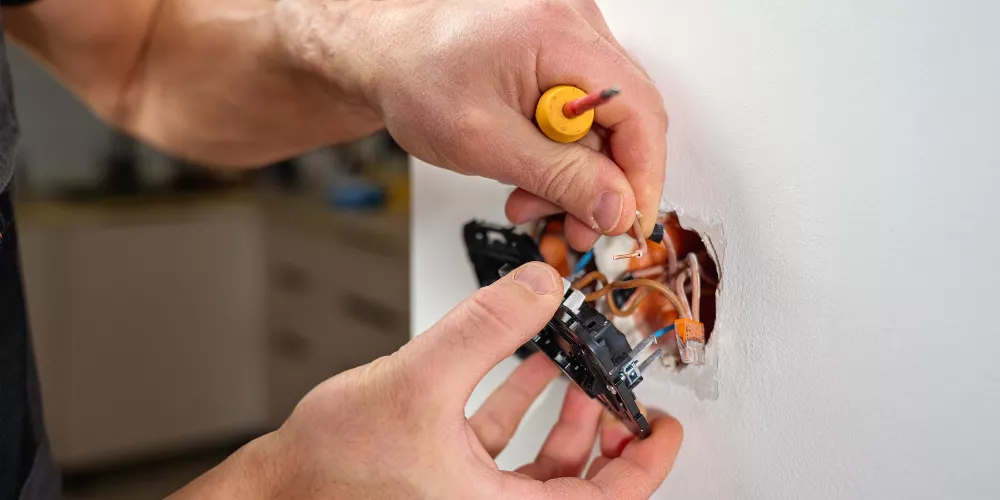
Before diving into specific wire types, it helps to know what makes up a wire. Every electrical wire in your home has a few key components. Knowing these parts helps you read wire labels and choose the right product.
Here’s what you’ll find inside most home electrical wires:
- Conductor: This is the metal core that carries electricity. Most home wiring uses copper. Some older homes use aluminum.
- Insulation: This is the colored plastic coating around each conductor. It protects you from shock and prevents short circuits.
- Sheathing (Jacket): This is the outer protective layer that holds multiple conductors together.
- Ground wire: This is usually a bare copper wire. It provides a safe path for electricity in case of a fault.
The color coding of insulation is standardized in the U.S. Here’s a quick reference:
| Wire Color | Purpose |
| Black | Hot wire (carries power) |
| White | Neutral wire (returns current) |
| Green or Bare | Ground wire (safety) |
| Red | Second hot wire (240V circuits) |
| Blue/Yellow | Used in conduit systems |
In New York and across the U.S., electricians follow the NEC color code strictly. This makes it easier to identify wires during repairs or upgrades.
Tip: Never touch a black or red wire without turning off the circuit breaker first. Always test with a voltage tester before working.
Learning these basics sets a strong foundation. Next, let’s look at the most common types of home electrical wire.
The Most Powerful and Common Home Wiring Types Explained
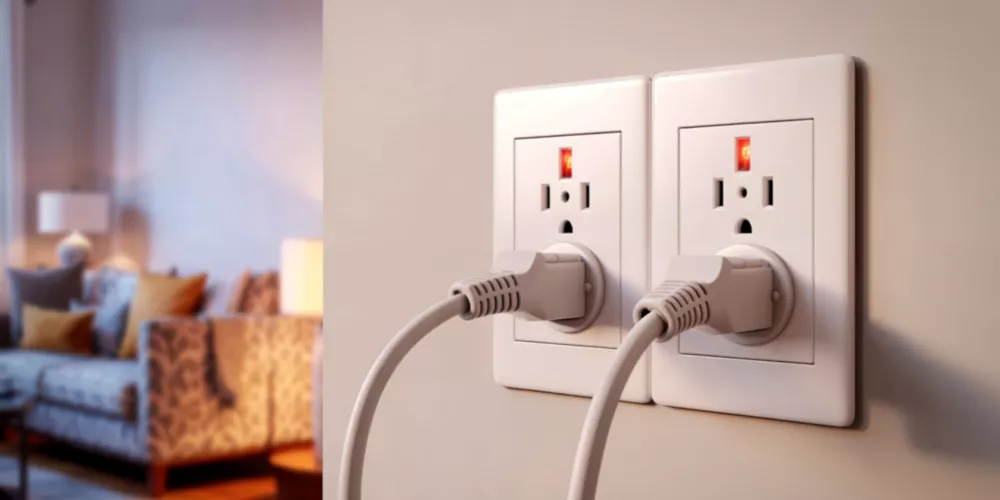
Now that you know what’s inside a wire, let’s talk about the most common types used in American homes. Each type has a specific job. Using the wrong type in the wrong place is a serious safety hazard.
Here are the main types of electrical wire used in U.S. homes:
1. NM-B Cable (Romex) This is the most popular wire for indoor residential use. It’s flexible, affordable, and easy to work with. You’ll find it running through walls, ceilings, and floors. It is only rated for dry, indoor locations.
2. THHN Wire This is a single-conductor wire used inside conduit. It stands for Thermoplastic High Heat-resistant Nylon-coated. It’s used in garages, basements, and anywhere conduit is required.
3. UF Cable (Underground Feeder) This wire is designed for outdoor and underground use. It has a solid plastic jacket that resists moisture. It’s used for powering outdoor lights, sheds, and landscape features.
4. Armored Cable (MC Cable) Also known as BX cable or metal-clad cable, this wire has a flexible metal armor around it. It’s used in commercial buildings and some homes where extra protection is needed.
5. Coaxial Cable Used for TV and internet connections, not power delivery. You’ll see this running from your cable box or antenna.
6. Low-Voltage Wiring Used for doorbells, thermostats, and security systems. It carries very little power and is not a safety hazard on its own.
A real-world example: Many New York City brownstones are from before the 1970s. They often have older BX (armored) cable. Modern renovations usually use Romex or THHN in conduit. This choice depends on local code.
Try this today: Look at your electrical panel and check the wiring coming out of it. If you see silver spiral-wrapped cable, that’s likely BX. If you see flat plastic cable, it’s probably Romex.
Knowing these types helps you for the next section. It shows where each wire type belongs in your home.
What Type Of Electrical Wire Is Used In Homes for Outlets and Lights?
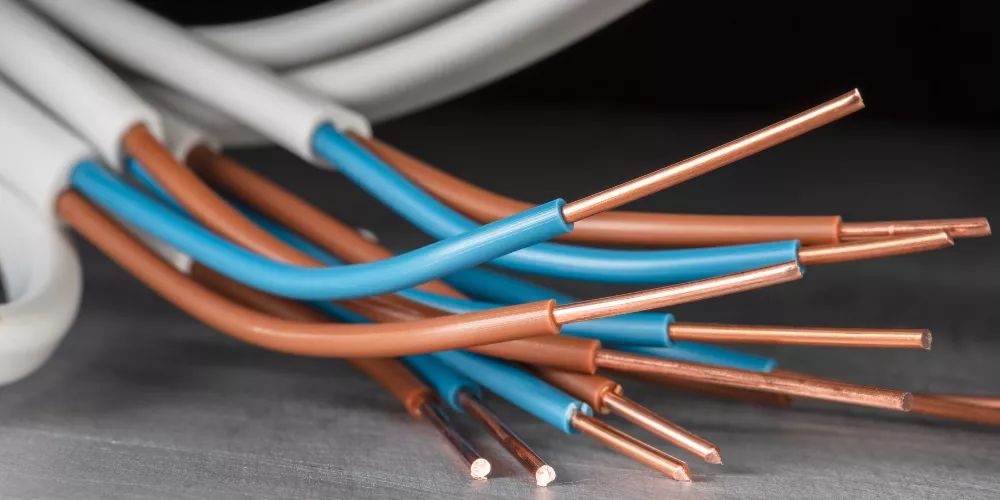
This is one of the most common questions homeowners ask. The answer depends on the circuit type and the load it carries.
Electricians use 14-gauge NM-B cable. This is for 15-amp circuits. These circuits power lights and outlets. This wire has two conductors — black (hot), white (neutral) — plus a bare copper ground.
For 20-amp circuits, use 12-gauge NM-B cable. This is for kitchen and bathroom outlets. These circuits carry more power, so a thicker wire is needed.
Here’s a simple breakdown:
- Lights and small outlets: 14-gauge, 15-amp circuit
- Kitchen countertop outlets: 12-gauge, 20-amp circuit
- Bathroom outlets (GFCI required): 12-gauge, 20-amp circuit
- Refrigerators and dishwashers: 12-gauge, 20-amp dedicated circuit
- Electric dryers: 10-gauge, 30-amp circuit
- Electric ranges/ovens: 6-gauge, 50-amp circuit
The National Electrical Code (NEC) requires kitchens to have two 20-amp circuits. These are for small appliances. This is a code requirement across all U.S. states.
In homes I’ve worked on in New York City, a common mistake is using 14-gauge wire with a 20-amp breaker. This is a serious fire hazard. The wire gets too hot and can melt the insulation inside the wall.
Important tip: Always match the wire gauge to the breaker rating. Never use a lighter gauge wire on a higher-amp breaker.
This section directly connects to outlet and lighting safety. In the next section, we go deeper into gauge sizing — one of the most important concepts in home wiring.
Understanding the Critical Role of Wire Gauge Sizes
Wire gauge is one of the most misunderstood topics in home electrical work. Many homeowners don’t know what gauge means. But it directly affects safety, performance, and code compliance.
In the United States, wire gauge is measured by the American Wire Gauge (AWG) system. Here’s the key rule to remember: The lower the number, the thicker the wire.
A 6-gauge wire is much thicker than a 14-gauge wire. Thicker wires can carry more current safely.
Here is a complete gauge reference chart for home use:
| AWG Gauge | Ampacity | Common Use |
| 14 AWG | 15 amps | Lights, basic outlets |
| 12 AWG | 20 amps | Kitchen, bathroom outlets |
| 10 AWG | 30 amps | Dryers, water heaters |
| 8 AWG | 40 amps | Electric ranges |
| 6 AWG | 55 amps | Large appliances, sub-panels |
| 4 AWG | 70 amps | Large sub-panels |
| 2 AWG | 95 amps | Service entrance |
The NEC sets the minimum wire gauge for every circuit type. Violating these rules can void your homeowner’s insurance and make your home unsafe.
Using a wire that is too thin causes it to overheat. This can melt insulation, cause sparks, and start a fire inside your walls. The Consumer Product Safety Commission (CPSC) says faulty home wiring causes damage. This damage totals $1.3 billion. This is a huge problem. This happens each year. That’s a lot of money! This is a big problem for many homes. This is a big problem for many homes. That’s a lot of money! This problem happens every year. This is a big problem for many homes. This happens all across the U.S.
Actionable advice: Before buying wire for any project, check the breaker amperage first. Match the gauge to the breaker. When in doubt, go one gauge thicker — it’s always safer.
Up next, we’ll explore the debate between copper and aluminum wiring — and which one is safer for your home.
Proven Differences Between Copper and Aluminum Wiring
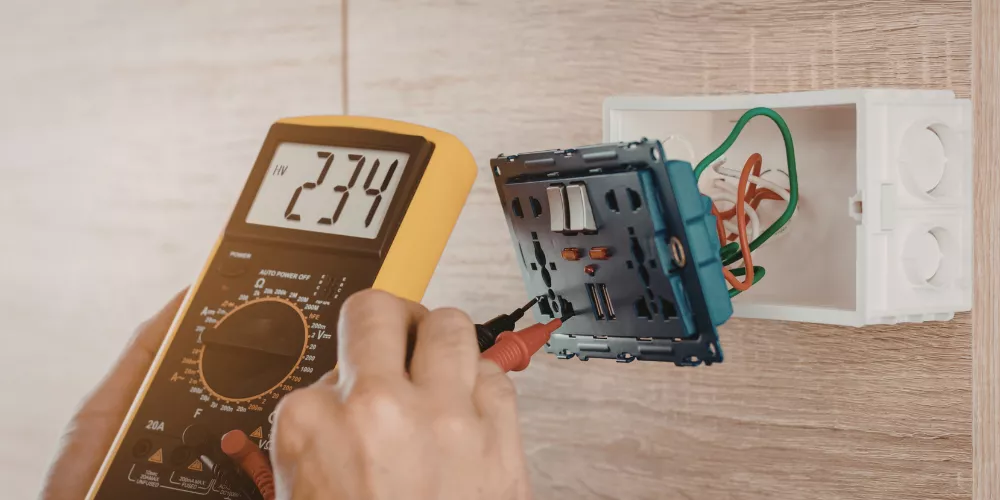
When it comes to home wiring, the conductor material matters just as much as the gauge. In U.S. homes, you’ll find two main conductor materials: copper and aluminum. Each has pros and cons.
Copper Wiring: Copper is the gold standard for residential wiring. It is:
- Highly conductive
- Flexible and easy to work with
- Resistant to corrosion
- Long-lasting and reliable
- Safe for all home wiring applications
Most modern U.S. homes use copper wiring throughout. It is the preferred choice of electricians and building inspectors nationwide.
Aluminum Wiring: Aluminum was widely used in homes built between 1965 and 1973. At the time, copper was expensive. Aluminum was a cheaper alternative. However, aluminum has some serious drawbacks:
- It expands and contracts more than copper
- Connections can loosen over time
- It oxidizes faster, increasing resistance
- Loose connections create heat and fire risk
The U.S. Consumer Product Safety Commission has a warning. Homes with aluminum wiring are 55 times more likely to catch fire than homes with copper wiring. That is a staggering statistic.
If you live in a home built in the late 1960s or early 1970s, have a licensed electrician inspect your wiring. Many homeowners in older NYC areas, like Brooklyn and Queens, have aluminum wiring. This is still common today. Some choose to replace it entirely. Others use a process called pigtailing — where copper extensions are added to aluminum wire ends using special connectors rated for aluminum-to-copper connections.
My recommendation: If your home has aluminum wiring, don’t ignore it. Call a qualified electrician for an inspection and safety assessment.
What Type Of Electrical Wire Is Used In Homes for Outdoor Use?
Outdoor wiring is a completely different situation. You cannot use standard indoor NM-B (Romex) cable outside. It is not rated for moisture, UV exposure, or burial. Using the wrong wire outdoors is extremely dangerous.
Here are the approved wire types for outdoor residential use in the U.S.:
1. UF-B Cable (Underground Feeder) is the best choice for outdoor use. It’s also great for underground applications. It has a solid PVC jacket that resists moisture, soil chemicals, and UV rays. It is approved for direct burial — meaning you can bury it without conduit in most cases.
Common uses:
- Powering outdoor light fixtures
- Running power to a detached garage or shed
- Feeding outdoor outlets and landscape lighting
Burial depth rules (NEC):
- UF-B cable: minimum 24 inches deep
- In conduit: minimum 6 inches deep
- Under concrete slabs: minimum 4 inches deep
2. THWN or THHN Wire in Conduit For above-ground outdoor runs (like along a wall or fence), individual THWN-rated wire inside weatherproof conduit is the correct choice. THWN stands for Thermoplastic Heat and Water-resistant Nylon-coated.
3.Armored Cable (MC) — Limited Outdoor Use Some armored cables can be used in damp areas.But standard MC cable is NOT waterproof. Always check the label before using it outdoors.
A practical example: If you want to power a light post in your front yard in New Jersey, use UF-B cable. For a garden shed in upstate New York, bury it at the right depth. Always get a permit before digging and running new outdoor circuits.
Pro tip: Call 811 (the national “Call Before You Dig” hotline) before digging in your yard. This is a free service. It finds underground utility lines. This helps stop dangerous accidents.
Smart and Safe Tips for Handling Home Electrical Wire
Even if you understand what type of electrical wire is used in homes, safety must always come first. Electrical work is one of the most dangerous home improvement tasks. Every year, thousands of Americans are injured or killed by electrical accidents.
Here are smart, proven safety tips every homeowner should follow:
- Always turn off the breaker before working on any circuit. Then test with a non-contact voltage tester to confirm power is off.
- Use the right tools. Wire strippers, insulated screwdrivers, and voltage testers are essential. Never use regular scissors to cut wire.
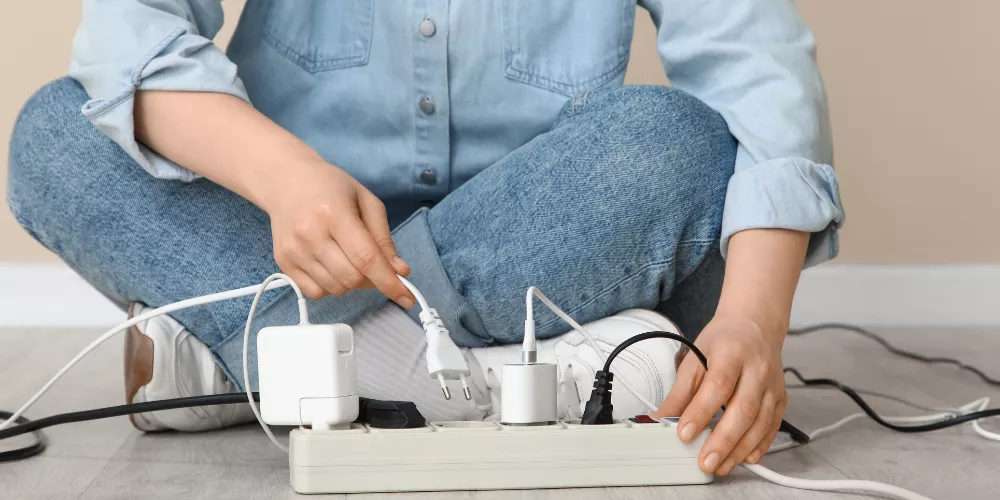
- Don’t overload circuits. Plugging too many devices into one outlet causes overheating. Use power strips with built-in breakers.
- Never splice wires inside a wall. All wire connections must be made inside an approved junction box with a cover.
- Use wire nuts or approved connectors. Never twist wires together with tape alone. Electrical tape is for insulating, not connecting.
- Follow local codes. Building codes vary by city and state. What’s allowed in Texas may not be allowed in New York. Always check with your local building department.
- Get a permit for major work. In most U.S. cities, adding new circuits or upgrading your panel requires a permit and inspection.
- Label your wires. When running new wires, use masking tape and a marker to label each wire’s purpose before closing up the wall.
The ESFI reports over 400 Americans die each year. These deaths are from electrical accidents at home. Most of these are preventable.
Try this today: Go to your electrical panel and make sure every breaker is clearly labeled. If anyone says “unknown,” call an electrician. They will check each circuit and write down the details.
Next, let’s talk about when you absolutely must call a professional.
When You Must Call a Licensed Electrician
Some electrical jobs are absolutely not DIY territory. Even if you’re handy and confident, certain situations require a licensed electrician. In many U.S. states, doing unlicensed electrical work is illegal. This can lead to fines or your insurance being voided.
Always call a licensed electrician when:
- You’re upgrading or replacing your electrical panel
- You’re adding new circuits to your home
- You’re installing a 240-volt circuit (for dryers, ovens, EV chargers)
- Your home has aluminum wiring that needs inspection or repair
- Your breakers trip frequently or feel warm to the touch
- You see burn marks or smell burning near outlets or switches
- You want to install a whole-home generator connection
- Your home is older than 40 years and has never had an electrical inspection
In New York City, a licensed master electrician must pull permits. They also need to sign off on electrical work. The NYC Department of Buildings strictly enforces this. Homeowners caught doing unlicensed electrical work can face steep fines.
Licensed electricians in the U.S. are trained, tested, and required to follow the NEC. They carry liability insurance. If something goes wrong with their work, you’re protected.
The average cost to hire a licensed electrician in the U.S. is $50–$100 per hour, according to HomeAdvisor. For a full panel upgrade, costs range from $1,500 to $4,000 depending on your location and panel size.
Bottom line: When in doubt, call a pro. The cost of an electrician is nothing compared to the cost of a house fire.
Quick Summary
Knowing what kind of electrical wire is used in homes is key for every homeowner. NM-B (Romex) is the most common wire for indoor circuits in U.S. homes. The right wire depends on wire gauge, conductor material, and location. Safety and code compliance should always come first.
Key Points Covered:
- NM-B (Romex) cable is the standard for most indoor home wiring in the U.S.
- Wire gauge is measured in AWG — lower numbers mean thicker, higher-capacity wire.
- Copper wire is safer and more reliable than aluminum for residential use.
- Use UF-B or conduit-protected THWN wire for all outdoor and underground applications.
- Always match wire gauge to breaker amperage and follow NEC guidelines.
Frequently Asked Questions
Many homeowners across the United States have questions about home electrical wiring. It can feel confusing at first. But the more you understand, the safer and smarter your decisions become.Here are answers to the most common questions about electrical wire in homes. These are real questions searched by thousands of Americans every month on Google. Whether you’re doing a small DIY fix or a big renovation, these answers will help. You can move forward with confidence.Let’s clear up the confusion — one question at a time.
What type of electrical wire is used in homes for general wiring?
The most common type of electrical wire used in homes for general wiring is NM-B cable, also called Romex. It has two or more insulated wires, usually black and white, plus a bare copper ground wire. All of these are wrapped in a plastic outer sheath. It is approved for dry, indoor use and is the go-to choice for most residential circuits in the United States. Most electricians and building codes across the country recognize it as the standard for interior residential wiring.
What type of electrical wire is used in homes for 20-amp circuits?
Use 12-gauge NM-B cable for 20-amp circuits. This includes kitchen, bathroom, and garage outlets. This wire is thicker than 14-gauge and can safely handle the higher current.
The National Electrical Code (NEC) requires 20-amp circuits in:
- Kitchens
- Bathrooms
- Laundry rooms
Using 14-gauge wire on a 20-amp breaker is a serious code violation and a fire hazard. Always match your wire gauge to the breaker amperage.
Is copper or aluminum wire better for home wiring?
Copper wire is far better and safer for home wiring. It is more conductive, more flexible, and more resistant to corrosion than aluminum. Aluminum wiring was used in homes built from 1965 to 1973. It can be a fire hazard because it often loosens at connections over time. If your home has aluminum wiring, have it inspected by a licensed electrician. They may recommend pigtailing with copper or replacing the wiring entirely.
Can I use outdoor wire indoors?
Yes, you can use outdoor-rated wire, like UF-B cable, indoors. But it’s not a good idea for most indoor uses. It is stiffer and harder to work with than Romex. However, you should never use indoor NM-B cable outdoors. It is not rated for moisture or UV exposure and can deteriorate quickly. Use the right wire type for each location. This keeps you safe and meets code requirements.
How do I know what gauge wire to use?
The gauge you need depends on the amperage of the circuit breaker you’re wiring to. Use this simple guide: 14-gauge for 15-amp circuits, 12-gauge for 20-amp circuits, 10-gauge for 30-amp circuits, and 8-gauge for 40-amp circuits. Always check the breaker amperage first, then choose the matching gauge. When in doubt, use a thicker wire — going one gauge lower (thicker) is always the safer choice.
Conclusion
Now you know exactly what type of electrical wire is used in homes — and why it matters. Every wire has a specific purpose. The Romex cable in your walls powers your home. The underground UF-B wire lights up your backyard.
Here are your 3 practical takeaways from this guide:
1. Match the wire to the job. Indoor circuits need NM-B. Outdoor runs need UF-B or conduit-protected wire. Never swap them. Using the wrong wire is one of the leading causes of home electrical fires in the U.S.
2. Always use the right gauge. A 15-amp circuit needs 14-gauge wire. A 20-amp circuit needs 12-gauge. Don’t guess — check the breaker first and match accordingly. The American Wire Gauge system is your best friend here.
3. Know when to call a pro. Not every electrical job is DIY-friendly. Always hire a licensed electrician. They do panel upgrades. They also do new circuits and aluminum wiring repairs. In cities like New York, it’s also the law.
I’ve worked as a home repair and decoration expert in New York for years. I’ve seen how small wiring mistakes can cause big problems. A fire that starts inside a wall from an overloaded circuit doesn’t announce itself. By the time you smell smoke, it may already be spreading.
Electrical safety isn’t just about following rules. It’s about protecting your family, your home, and your investment. The knowledge you’ve gained today can help you make better choices. This applies whether you’re tackling a small DIY fix or planning a big renovation.
If you found this guide helpful, please share it with a friend or neighbor who’s tackling a home project. Drop a comment below with your questions — I read every one. And if you want to keep learning, bookmark this page and explore the rest of our home repair guides.Your home deserves the best. Start with safe, smart wiring.