Why You Need an Electrical Home Inspection?

Your home’s electrical system works quietly behind the walls every single day. Most homeowners never think about it — until something goes wrong.
That’s a scary reality. Electrical failures cause about 51,000 home fires in the U.S. each year. This is according to the Electrical Safety Foundation International (ESFI). These fires result in hundreds of deaths and over $1.3 billion in property damage annually. The good news? Most of these tragedies are preventable.
Understanding why you need an electrical home inspection is key. It helps keep your family and home safe. Whether you live in New Jersey, Ohio, or Texas — an electrical inspection gives you peace of mind. It could even save your life.
I’m a home decoration and repair specialist. I’ve visited hundreds of homes in New York and the tri-state area. Homeowners often find hidden electrical dangers. They may see frayed wires. Overloaded panels are common too. Sometimes, they miss ground fault protection. These are problems that look invisible from the outside but carry serious risks.
Electrical safety is just one part of keeping your home in top shape. If you want a complete picture of your home’s systems, I highly recommend checking out our Complete Electrical System. It covers all you need to know about your plumbing system. Many homeowners ignore this until a problem arises.
In this post, I’ll cover all you need to know about electrical home inspections. You’ll learn what they cover, when to get one, how much they cost, and what happens when an inspector finds a problem. By the end, you’ll feel confident and fully informed.
Key Takeaways:
- An electrical home inspection can stop dangerous house fires. It keeps your family safe from serious harm.
- Homes older than 25 years need an electrical inspection. Schedule it soon.
- Licensed inspectors check wiring. They look at the breaker panel. They also inspect outlets. Grounding systems are checked too.
- An electrical home inspection in the USA typically costs between $100 and $350 for most homes.
- Regular inspections are a smart choice for homeowners. They help keep your home safe.
Why You Need an Electrical Home Inspection?
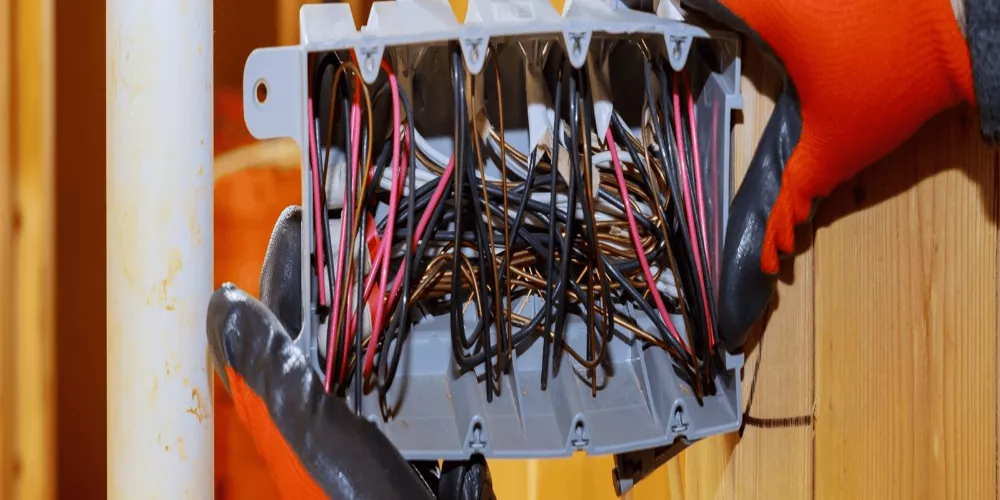
An electrical home inspection checks your home’s electrical system. It ensures everything is safe and works well. A licensed inspector examines your wiring, outlets, circuit breaker panel, and safety devices. The goal is to find problems before they cause fires, injuries, or expensive damage.
The National Fire Protection Association (NFPA) says electrical failures start many home fires. They are one of the top three causes in the US. Many of these fires start inside the walls — completely invisible to the homeowner. Regular inspections are the only way to catch hidden issues early.
This type of inspection is not just for old homes. New construction can have faulty wiring too. If you renovated, added appliances, or bought a home, get an inspection. It’s important. Knowing your electrical system helps you keep your home safe. It gives you control over safety.
1. The Real Reason Why You Need an Electrical Home Inspection: Safety First
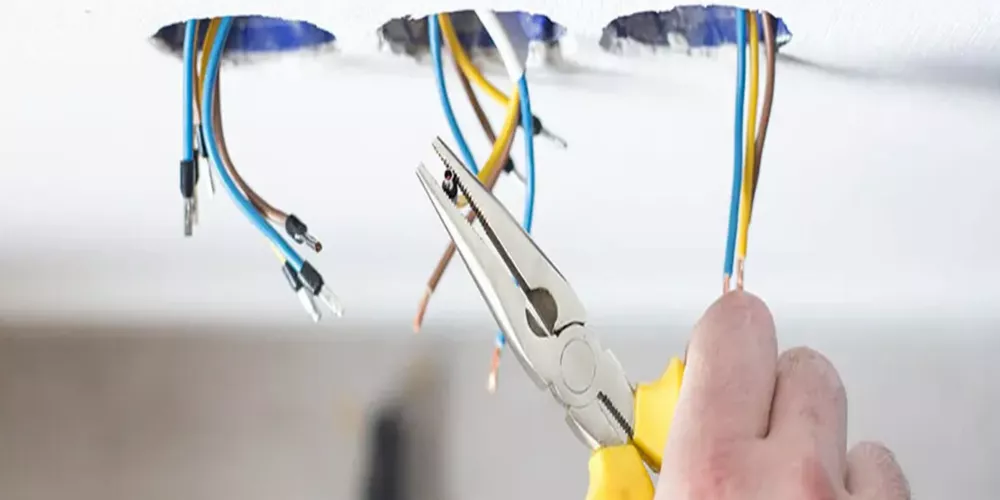
Safety is always the number one reason to schedule an electrical home inspection. Faulty wiring is silent and invisible. You can’t smell it, hear it, or see it — until it’s too late.
The CPSC says electrical fires injure over 1,400 Americans every year. Many of these occur in homes with old wiring or overloaded circuits. Often, these issues go unchecked by a professional.
Here’s what electrical hazards can look like in everyday homes:
- Aluminum wiring installed in homes built between 1965 and 1973 — a serious fire risk
- Knob-and-tube wiring found in homes built before 1950 — no longer code-compliant
- Overloaded circuits from too many high-wattage appliances on one line
- Damaged outlets or outlets without proper grounding near water sources
- Outdated breaker panels that can’t handle modern power demands
A licensed inspector checks all of these issues during a thorough visit. They follow the National Electrical Code (NEC) standards. This keeps everything safe. It also makes sure things are up to date.
Archie M. Guerrero looked at a brownstone from 1978. It’s in Brooklyn, New York. The homeowner didn’t know that the old aluminum wiring was still active. It was throughout the house. An inspection found a risk. Targeted repairs were made to stop a serious incident.
Try this today: Walk around your home. Check the outlets near sinks. Make sure they have GFCI (Ground Fault Circuit Interrupter) protection. If they don’t, that’s a red flag worth investigating.
Finding safety risks early is vital in electrical inspections. It helps stop problems from growing.
2. Proven Financial Benefits of Getting an Electrical Home Inspection

Many homeowners skip inspections because they worry about the cost. In reality, skipping one costs far more in the long run. An electrical home inspection can save you a lot of money. It catches small problems before they turn into big repairs.
Consider this: fixing a minor wiring issue found during an inspection might cost $150 to $300. But if that same wiring causes a fire, you could be looking at $20,000 to $100,000 in structural damage — or more.
Here are the key financial benefits of getting inspected:
- Avoid emergency repair costs from sudden electrical failures
- Lower homeowners insurance premiums — many insurers offer discounts for inspected homes
- Increase your home’s resale value with a clean electrical report
- Prevent appliance damage caused by power surges or faulty wiring
- Negotiate better on home purchases with inspection results in hand
Real estate agents in Chicago, Dallas, and Phoenix recommend electrical inspections. This is now a key step for home buyers. Sellers who can show a clean inspection report often close faster and at better prices.
Smart move: Before listing your home, get an electrical inspection. If you’re making an offer, do the same. It’s a low-cost step with a very high return.
Getting an electrical home inspection makes good sense. It’s even more important as your home ages.
3. Critical Warning Signs That Tell You an Electrical Inspection Is Overdue
Sometimes your home gives you signals that something is wrong. These warning signs should never be ignored. If you notice any of the following, schedule an electrical home inspection immediately.
Watch out for these red flags:
- Flickering or dimming lights — especially when large appliances turn on
- Burning smell from outlets, switches, or your breaker panel
- Tripping breakers that reset frequently without a clear cause
- Warm or discolored outlets and switch plates
- Buzzing or crackling sounds coming from walls or electrical fixtures
- Sparks when you plug something into an outlet
- Old two-prong outlets throughout the house with no grounding
Here’s a quick overview of each warning sign and how urgently you need to act:
| Warning Sign | Severity Level | Action Needed |
| Flickering or dimming lights | Medium | Schedule inspection within 30 days |
| Burning smell from outlets | High | Call electrician immediately |
| Tripping breakers repeatedly | High | Schedule inspection this week |
| Warm or discolored outlets | Very High | Stop using outlet, call now |
| Buzzing or crackling sounds | Very High | Call electrician immediately |
| Sparks when plugging in devices | Extremely High | Stop using outlet, call now |
| Old two-prong outlets (no ground) | Medium | Schedule inspection within 60 days |
These signs show big problems. Circuits may be overloaded. Insulation might be damaged. Components could be failing. About 10% of home fires are linked to outlet and wiring issues, as noted by the ESFI. These problems often show visible warning signs first.
In New York City, older buildings must upgrade. They need to meet modern electrical standards. Many homeowners don’t know this until after an incident occurs. Don’t wait for an emergency — act on the warning signs now.
💡 Take action: If you’ve noticed even one of the signs above, don’t wait. Contact a licensed electrician this week for a full electrical home inspection.
Finding these warning signs early can save you money. It can also prevent a serious home fire.
4. What a Thorough Electrical Home Inspection Actually Covers
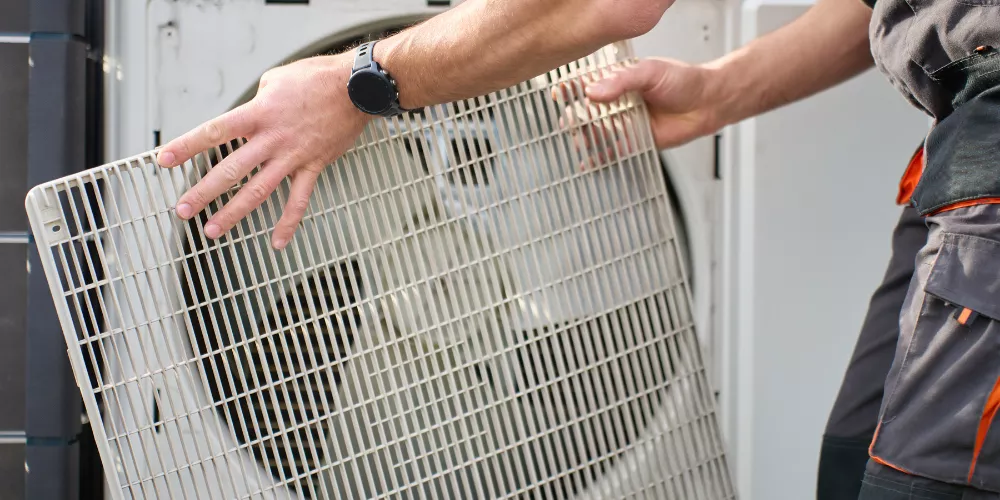
Knowing what inspectors check helps you understand the full value of the process. A qualified inspector follows a systematic checklist when performing an electrical home inspection.
Here’s what a standard inspection covers:
- Service panel and breaker box — checks for proper labeling, capacity, and safe operation
- Wiring throughout the home — looks for outdated, damaged, or improper wiring types
- Outlets and switches — tests for proper grounding and GFCI protection where required
- Lighting fixtures — checks for correct wattage ratings and proper installation
- Smoke detectors — verifies placement and functionality per NEC standards
- Carbon monoxide detectors — confirms proper installation near sleeping areas
- Exterior electrical — inspects outdoor outlets, weatherproofing, and service entrance
- Attic and basement wiring — looks for unsafe DIY work or exposed wiring
Inspectors use tools like outlet testers, thermal imaging cameras, and voltage meters. Brands like Fluke and Klein Tools are industry standards in the US.
A full inspection of a typical 2,000 sq ft home takes between 2 and 4 hours. Larger homes or older properties may take longer. You’ll get a written report at the end. It will list all findings, include photos, and suggest next steps.
💡 Pro tip: Ask your inspector to walk you through each finding in person. This helps you understand priorities and ask the right questions.
Knowing what an inspection covers boosts your confidence in the process. It also helps you maximize your investment.
5. How Much Does an Electrical Home Inspection Really Cost in the USA?
Cost is one of the first things homeowners ask about. The good news is that an electrical home inspection costs little. This is much less than the risks of not having one.
Typical cost ranges across the USA:
| Home Size | Average Cost |
| Under 1,000 sq ft | $100 – $150 |
| 1,000 – 2,000 sq ft | $150 – $250 |
| 2,000 – 3,500 sq ft | $250 – $350 |
| 3,500+ sq ft | $350 – $500+ |
Prices vary by state and city. Cities like New York, Los Angeles, and Chicago often cost more. Rural areas are usually cheaper. Some inspectors charge a flat fee; others bill by the hour at rates between $50 and $100.
Additional factors that affect cost include:
- Age of the home (older homes take longer to inspect)
- Whether the inspector uses thermal imaging (adds $50–$200)
- Number of electrical panels in the home
- Special requests like full EV charging system evaluation
Homeowners often get an electrical inspection. They also get a general inspection. This saves money. Bundled inspections often cost 20–30% less than booking separately.
💡 Save money tip: Get quotes from at least 3 licensed inspectors in your area. Check reviews on Yelp, Angi, or the Better Business Bureau before booking.
An electrical home inspection costs very little. It gives you safety and helps you save money.
6. How to Choose the Best Electrical Inspector for Your Home
Not all inspectors are equally qualified. Pick the right expert. This ensures a clear and complete electrical home inspection.
Here’s what to look for:
- State license — every inspector should carry a valid state electrical license
- Find inspectors certified by InterNACHI. You can also check ASHI.
- Experience — at least 5 years of residential inspection experience is ideal
- Insurance — general liability and errors & omissions insurance protect you
- Sample reports — ask to see a sample inspection report before hiring
- References — request at least 2–3 references from recent clients
Avoid inspectors who offer a report in under an hour for a large home. That’s usually a sign of a rushed, incomplete inspection. A thorough job takes time.
In New York and other big US cities, you can use HomeAdvisor and Thumbtack. They help you find electrical inspectors. All of them are pre-screened. Always verify credentials independently before booking.
💡 Action step: Go to your state’s contractor licensing board website. Verify your inspector’s license. Do this before they enter your home.
Choosing a good inspector is as important as scheduling the inspection. So, take your time and do it right.
7. What Happens After an Electrical Home Inspection Is Complete?
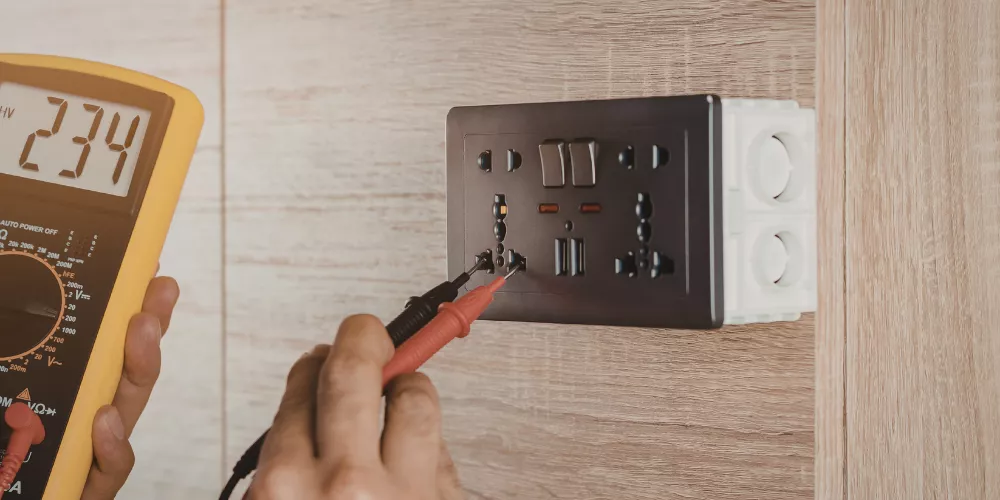
After the inspection, you’ll receive a written report. This document outlines every issue found, with photos, descriptions, and recommended actions. Understanding this report helps you take the right next steps.
Inspection findings are usually categorized as:
- Safety hazards — must be fixed immediately (e.g., exposed wiring, no GFCI near water)
- Code violations — items not up to current NEC standards (e.g., wrong breaker size)
- Recommended upgrades — improvements that increase safety and efficiency
- Informational notes — observations with no immediate action required
Once you receive the report, here’s what to do:
- Prioritize safety hazards — address these within days, not weeks
- Get repair quotes — contact 2–3 licensed electricians for estimates
- Plan for upgrades — budget for non-urgent improvements over the next 1–3 years
- File the report — keep it with your home documents for future reference and resale
If you’re buying a home, use the inspection report to negotiate with the seller. You may be able to request repairs or a price reduction based on findings.
💡 Next step: After repairs, get a written sign-off from your electrician. This confirms the work is complete and meets code. This adds long-term value to your home file.
Take action on your inspection report. That’s where real protection starts. Don’t let that report gather dust in a drawer.
8. How Often Should You Schedule an Electrical Home Inspection?
Many homeowners don’t know how frequently they should schedule inspections. Every home is different, so there’s no single answer. However, clear guidelines exist based on your home’s age and condition.
General recommended frequency:
- Homes older than 40 years: Every 3–5 years
- Homes 10–40 years old: Every 5–10 years
- New construction: After the first 5 years, then every 10 years
- After a major renovation: Always get an inspection before final sign-off
- After buying a home: Schedule one within the first 30 days of ownership
- After a storm or flooding event: Immediately, regardless of visible damage
Here’s a clear breakdown by home age and priority level:
| Home Age | Recommended Frequency | Priority Level |
| New construction (0–5 years) | After first 5 years | Low |
| 5–10 years old | Every 10 years | Low |
| 10–25 years old | Every 5–7 years | Medium |
| 25–40 years old | Every 3–5 years | High |
| 40+ years old | Every 2–3 years | Very High |
| After any major renovation | Immediately | Urgent |
| After storm or flood damage | Immediately | Urgent |
The NFPA tells homeowners in older homes to check their electrical systems often. This is important if there are no past inspection records.
Special circumstances that call for an immediate inspection include:
- Installing a new HVAC system, hot tub, or EV charging station
- Experiencing repeated breaker trips or burning smells
- Planning to add a home addition or finished basement
- Preparing your home for sale
💡 Set a reminder: Put your next electrical inspection date in your calendar now. Treat it like a dental checkup — something you do on a schedule, not just when there’s pain.
Inspections help your electrical system. They find small problems. This prevents big issues.
9. Electrical Home Inspection vs. General Home Inspection: Key Differences
Many buyers assume a general home inspection fully covers their electrical system. That’s a common misconception — and a potentially dangerous one.
Here’s how they differ:
| Feature | General Home Inspection | Electrical Home Inspection |
| Performed by | Certified home inspector | Licensed electrician |
| Electrical depth | Surface-level only | Fully detailed |
| Panel inspection | Basic visual check | Full load and capacity test |
| Wiring inspection | Visible wiring only | Accessible wiring throughout |
| Outlet testing | Spot-check | All outlets tested |
| Report detail | General overview | Detailed electrical findings |
| Cost | $300–$500 (full home) | $100–$350 (electrical only) |
A general inspector will flag obvious electrical issues. They won’t test every outlet. They also won’t check panel capacity or evaluate grounding in the home. A licensed electrician gives the best home inspection. They share the detailed info you need.
For example, in New York State, a general home inspector is not required to be a licensed electrician. They might not see serious electrical problems. A specialist would catch them quickly.
💡 Best practice: Always get a home inspection. Also, get an electrical inspection. Together, they give you a complete picture of your home’s condition.
Getting this difference is key. Don’t think one inspection covers it all.
Quick Summary
A home electrical inspection is key. It helps protect your family and your investment. It finds hidden fire hazards, code violations, and old wiring. These issues can be risky. This inspection provides safety. It also offers savings and peace of mind. You need it whether you’re buying, selling, or maintaining your home.
Key Points Covered:
- Electrical failures cause over 51,000 home fires in the USA every year
- An electrical home inspection costs between $100 and $350 for most homes
- Inspectors check your panel, wiring, outlets, fixtures, and safety devices
- Homes over 40 years old should be inspected every 3 to 5 years
- A standalone electrical inspection goes much deeper than a general home inspection
Frequently Asked Questions
Still have questions about why you need an electrical home inspection? You’re not alone. Many American homeowners have the same concerns before scheduling their first inspection. Below, I’ve answered the most common questions I hear from homeowners every day. These answers will help you feel fully prepared and confident before you take the next step.
What is included in an electrical home inspection?
An electrical home inspection checks several key areas:
- Breaker panel
- All wiring
- Outlets and switches
- Lighting fixtures
- Smoke detectors
- Carbon monoxide detectors
- Exterior electrical
- Grounding systems
This ensures everything is safe and functioning properly.
A licensed electrician performs each check systematically using professional tools. You’ll get a detailed report at the end. It will outline each finding, its severity level, and recommended repairs. The full inspection of a standard home typically takes 2 to 4 hours to complete properly.
Why do you need an electrical home inspection before buying a house?
Get an electrical home inspection before buying a house. It finds hidden dangers that a general inspection might miss. Faulty wiring can cost a lot to fix. Old panels and code violations can add to those costs after purchase. Knowing a home’s electrical condition before closing is important. It helps you negotiate repairs or lower the price. It also protects your family from fire hazards from day one of moving in.
How often should I get an electrical home inspection done?
Most experts suggest an electrical home inspection every 3 to 10 years. This depends on how old your home is. Older homes — especially those built before 1980 — should be inspected every 3 to 5 years. Schedule an inspection after major renovations. Do it again when you buy a new home. Also, check after any flooding or storm damage. Regular inspections keep your system safe. They help you plan upgrades too.
How much does an electrical home inspection cost in the USA?
In the USA, an electrical home inspection typically costs between $100 and $350 for most homes. Larger homes, older properties, or those requiring thermal imaging may cost more. Prices vary by state and city — urban areas like New York and Los Angeles tend to be on the higher end. Many homeowners get an electrical inspection with a general home inspection. This saves them money. Always get multiple quotes from licensed inspectors before booking.
Can I do an electrical home inspection myself?
You should not perform a full electrical home inspection yourself. Electrical systems are complex and dangerous without proper training and tools. You can do a basic visual check. Look for discolored outlets, flickering lights, or tripping breakers. However, a licensed electrician can spot hazards you might miss. DIY inspections also carry no legal weight for insurance or real estate purposes. Always hire a licensed professional for a thorough and trustworthy inspection.
Conclusion
Your home’s electrical system is vital, yet often ignored. In this post, we explained why you need an electrical home inspection. It matters for your safety, finances, and peace of mind.
Let’s recap the three most practical takeaways:
First, never wait for a visible problem before scheduling an inspection. Electrical hazards develop silently inside your walls. By the time you see or smell something wrong, the risk may already be serious. Proactive inspections keep you ahead of the danger.
Second, treat the cost as an investment — not an expense. Spending $150 to $300 on an inspection can save you a lot later. You might avoid tens of thousands in fire damage, emergency repairs, or failed home sales. It’s one of the highest-return investments any homeowner can make.
Third, always hire a licensed electrician for this task. A general home inspector won’t go deep enough. You need a certified electrician. They should follow the National Electrical Code. They must also give you a legal, detailed report.
A homeowner in Queens, New York recently shared their story with Archie M. Guerrero. They bought their home without an electrical inspection. Two years later, they found out the panel was too small for their needs. They spent over $8,000 on the upgrade. This cost might have been in the original home purchase. They could have avoided it with an inspection report.
Don’t let that be your story.
Schedule your electrical home inspection today. Contact a licensed electrician in your area, get your report, and take action on the findings. Your home, your family, and your wallet will thank you for it.
If you found this guide helpful, share it with a neighbor, friend, or family member who’s a homeowner. Leave a comment below with your questions — I’d love to help. And bookmark this page for easy reference the next time electrical safety comes up.