How Much Does Plumbing A New House Cost?

Building a new house feels exciting. You picture your rooms, your kitchen, and the life you will live there. But then a big question suddenly comes to mind: How Much Does Plumbing A New House Cost? From my own experience, this is the point where many people stop and worry. Plumbing prices can be a real shock. They sound confusing, and often feel higher than expected.
I used to think plumbing was simple too. Just pipes and water—done. But that idea didn’t last long. When planning began, I learned plumbing includes water lines and drains. It also covers complete setups for bathrooms and kitchens. One small change increased the cost, then another did the same. That’s when I saw why many homeowners worry about plumbing costs. They think about it even before building their homes.
If this feels stressful, you’re not alone. I felt the same way. Hidden costs and wrong choices can hurt your budget fast. Plumbing is not something you can skip, and it affects the total cost of your house. When you clearly understand How Much Does Plumbing A New House Cost, the fear goes down. You feel more prepared, more confident, and ready to move forward.
How Much Does Plumbing A New House Cost?
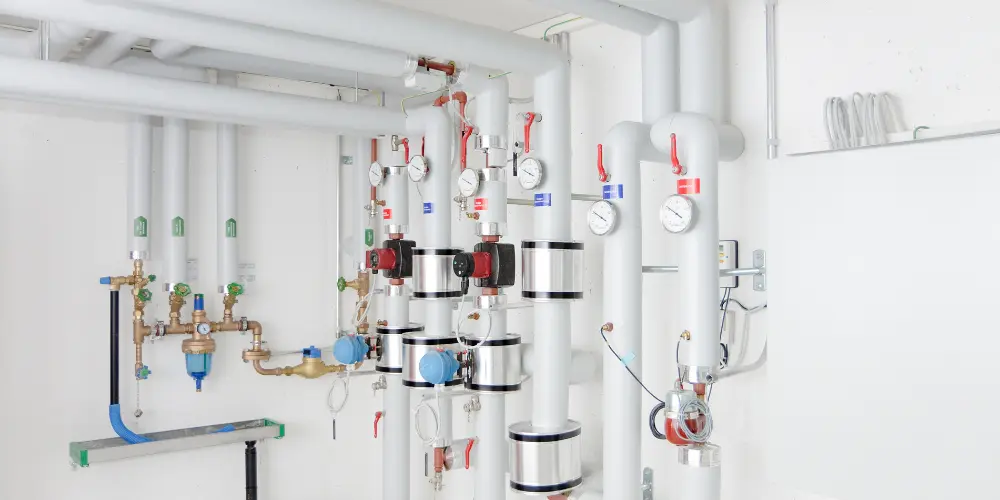
Many people ask, How Much Does Plumbing A New House Cost. Plumbing can be tricky and cost more than you think. Knowing the price early helps you plan your money.
What Affects Plumbing Cost The Most?
When you plan plumbing for a new house, the total cost can change a lot. Here are the main things that affect the price. I will explain each one clearly so it’s easy to understand.
- Size of Your House
The bigger your house, the more pipes and materials you need.
More rooms mean more water lines and drains.
Even extra space in the kitchen or laundry room can increase the cost.
A small house usually costs less for plumbing than a big house. - Number of Bathrooms
Bathrooms are the biggest part of plumbing costs.
Each bathroom needs a toilet, sink, shower, and sometimes a bathtub.
All of these need separate pipes and drains.
Adding just one extra bathroom can increase the cost by a lot. - Type of Pipes Used
Not all pipes cost the same.
Plastic pipes, like PEX, are cheaper and easy to install.
Copper pipes are stronger and last longer, but they cost more.
Choosing the right type of pipe can save money without hurting quality. - Labor Costs
Plumbers don’t just put pipes in. They plan, measure, and follow building rules.
Labor cost depends on your location and the plumber’s experience.
Busy cities often have higher labor prices.
Labor can make up almost half of the total plumbing cost. - Hidden Costs
Sometimes extra costs appear that you didn’t plan for.
Permit fees, city water connection, or sewer line installation can add money.
Extra pipes for better water pressure or drainage fixes can also increase costs.
These hidden costs can surprise many homeowners if they are not ready.
Number of Bathrooms
The number of bathrooms in your house is one of the biggest things that affects plumbing cost. More bathrooms mean more pipes, more drains, and more work for the plumber. Even one extra bathroom can add a lot to the total price.
Here is a simple way to understand it:
- One bathroom: A house with only one bathroom will have fewer pipes and drains. It costs less to install and takes less time for the plumber to finish.
- Two bathrooms: A second bathroom needs more water lines, drains, and fixtures. The cost goes up because there is more work and more materials needed.
- Three or more bathrooms: Houses with three or more bathrooms need much more plumbing. Each bathroom has toilets, sinks, showers, and sometimes tubs. All these need water and drainage. The cost increases quickly as you add more bathrooms.
Why it matters:
- More bathrooms = more material cost (pipes, fittings, fixtures)
- More bathrooms = more labor cost for plumbers
- More bathrooms = longer installation time
Planning how many bathrooms you need before building can save money. It’s a smart choice. It helps avoid surprises later. Small changes after building walls can cost a lot.
Bathroom Count and Plumbing Cost – Easy Version
“More bathrooms need more pipes and work. This table shows how cost goes up with each bathroom.”
| Bathrooms | Pipes | Work | Cost |
| 1 | Few | Easy | Low |
| 2 | Some | Medium | Medium |
| 3+ | Many | Hard | High |
Type of Pipes Used
The type of pipes you choose can make a big difference in both cost and how your plumbing works. Here’s a clear explanation:
- Plastic Pipes (PEX):
PEX pipes are very popular today. They are soft and flexible, so it’s easier to bend them around corners. This makes installation faster and cheaper. They do not rust and can last many years. PEX is a good choice if you want something simple and cost-friendly. - Copper Pipes:
Copper pipes are stronger and very durable. They can last for decades without problems. But they are harder to bend and usually cost more. Installation can take more time. Some people choose copper because it is very strong and can handle heat well. - PVC Pipes:
PVC pipes are usually used for drains and cold water. They are light, cheap, and easy to cut. But they are not good for hot water because they can bend or get damaged with heat. PVC is a simple choice for certain parts of the house. - Galvanized Pipes:
Galvanized pipes are old-style metal pipes. They are strong but can get rusty over time. This can make water flow slower or create leaks. Most new houses do not use galvanized pipes anymore, but you might see them in older homes.
Choosing the right pipe depends on your house, your budget, and what will last long. In my opinion, PEX is usually easiest for most new homes, while copper is good if you want extra strength. PVC and galvanized have special uses.
Pipe Types Made Simple
Different pipes cost different amounts and last different times. This table shows easy facts about each type.
Table:
| Pipe | Good Points | Bad Points | Price |
| PEX | Flexible, lasts long | Not very strong | Low-Med |
| Copper | Very strong | Expensive | High |
| PVC | Cheap, light | Not for hot water | Low |
| Galvanized | Strong metal | Rusts | Medium |
Labor Costs
- Labor costs mean the money you pay plumbers for their work. This is not for materials like pipes or sinks, but only for the people who do the installation.
- Plumbers do more than just connect pipes. They decide where the pipes should go. They check that everything meets safety rules. Then, they test the system to prevent leaks.
- Labor costs can change a lot depending on your location. In cities where things are busy, plumbers may charge more. In smaller towns, it can be less.
- The size of your house also matters. Bigger houses with more bathrooms and kitchens take longer to finish, so the labor cost is higher.
- The experience of the plumber affects the cost too. A very skilled plumber may charge more, but they usually do better work and make fewer mistakes.
- On average, labor costs can make up 40–60% of the total plumbing price. This means even if you buy cheap pipes, a big part of the money goes to the plumber’s work.
- Planning labor well can save money. If you know what work is needed before the plumber starts, you can avoid extra charges later.
A Real-Life Example (This Happens a Lot)
- Imagine this: You are almost done building your new house. The walls are up. The floors are in. Everything looks perfect. You feel happy and excited.
- Then, the plumber comes and says something you did not expect. He says, “We need extra pipes here for better water pressure.” Suddenly, your heart sinks. You did not plan for this extra cost.
- You check your budget and realize it is not enough. You start to feel stressed. You worry about paying more than you planned.
- This situation happens to many homeowners. Even small changes in plumbing can increase the cost quickly. One pipe here, one small fix there, and suddenly the price is higher than you thought.
- From my experience, the key problem is that plumbing is often planned too late. Once walls and floors are finished, it’s harder and costlier to add or change pipes.
- This is why it is very important to plan plumbing early. Know where the pipes, drains, and fixtures will go. Do this before building starts. It helps you avoid big surprises later.
- A little extra time in planning can save a lot of money and stress. It also makes your house more comfortable and safer in the long run.
Hidden Plumbing Costs People Forget
Many people plan for basic plumbing work. But they forget about small extra costs. These costs may look small at first, but together they can add a lot to your budget. This is where many homeowners feel shocked later.
Below are some common hidden plumbing costs people often forget. Each one is important to understand before building starts.
- Permit fees
Before plumbing work begins, the city may require a permit. This is a legal paper that allows the plumber to work. Permit fees are not always included in the first quote. If you forget this cost, you may have to pay extra later. - City water connection fees
Your house must connect to the city water line. This connection often has a separate fee. In some areas, this cost is high. Many people do not know about it until the last moment. - Sewer line installation
Water must flow out of the house, not just come in. Sewer lines carry dirty water away. Installing these lines can cost more if the distance is long or the ground is hard. This cost is easy to miss when planning. - Extra pipes for low water pressure
Sometimes water pressure is weak. To fix this, plumbers may need to add extra pipes or change the layout. This is not always planned early. When added later, it increases the total plumbing cost. - Drainage fixes
Poor drainage can cause water problems in the future. Fixing drainage may need extra pipes or slope changes. These fixes are important but often forgotten in early budgets.
In many cases, these hidden plumbing costs add $1,000 to $3,000 to the final bill. From my experience, knowing about them early helps avoid stress. When you plan for these costs ahead of time, you feel more prepared and in control.
Extra Plumbing Costs
Some plumbing costs are easy to forget. This table shows common extra costs.
| Extra Cost | Cost | What It Does |
| Permit | $100–$500 | Needed for city approval |
| Water Connection | $200–$800 | Connects house to water line |
| Sewer Line | $500–$1,500 | Carry water away from house |
| Extra Pipes | $200–$1,000 | Fix low water pressure |
| Drain Fix | $200–$500 | Fix slope or future problems |
Ways To Save Money On New House Plumbing
Plumbing can take a big part of your house budget. The good news is, there are smart ways to lower the cost without hurting quality. From my experience, small choices made early can save a lot of money later. You don’t need to go cheap. You just need to plan well and think ahead.
Below are some simple and practical ways to save money on new house plumbing. These tips are easy to follow and work for most homes.
- Keep bathrooms close. When they are near each other, plumbers need fewer pipes. Shorter pipes mean less material and less work. This helps lower both labor and material costs. It also makes future repairs easier.
- Choose a simple plumbing layout Simple designs cost less. Straight pipe lines are easier to install than complex ones. Fewer bends and turns save time and money. Simple layouts also reduce the chance of problems later.
- Use PEX pipes if allowed PEX pipes are flexible and easy to install. They usually cost less than metal pipes. Many builders like them because they save time. If your local rules allow PEX, it can be a smart money-saving choice.
- Compare at least 2–3 plumbers Prices can change a lot from one plumber to another. Getting more than one quote helps you understand the fair price. It also helps you avoid overpaying. Always ask what is included in the price.
- Ask for a written estimate A written estimate helps prevent surprise costs. It shows what work will be done and how much it will cost. This makes planning easier and keeps everyone on the same page.
In my opinion, planning early is the best way to save money. When plumbing is planned from the start, there are fewer changes later. Fewer changes mean lower costs. These simple steps can help you stay on budget and feel more confident while building your new house.
Is Cheap Plumbing A Bad Idea?
Cheap plumbing looks good at first. When you build a new house, you want to save money. A low price feels like a smart choice. But cheap plumbing can cause problems later if the work is not done properly.
From my experience, cheap plumbing often uses weak materials or quick work. At the start, everything may look fine. Water runs, and nothing seems wrong. But after some time, problems can start.
Cheap plumbing can lead to:
- Leaks later
- Low water pressure
- Expensive repairs
Leaks can slowly damage walls and floors. Low water pressure can make showers and daily work annoying. Expensive repairs happen when pipes or parts break and need fixing again.
Spending a little more at the beginning is often better. Good plumbing lasts longer and works well every day. In my opinion, cheap plumbing may save money now, but it can cost more in the future.
Quick Cost Breakdown (Simple View)
When people hear the total plumbing cost, it often feels scary. The number looks big, and it’s hard to understand why. But plumbing cost is not just one single thing. It is made up of different parts. When you break it down, everything starts to make more sense.
From my experience, once you know where the money goes, the stress feels lower. You can see which parts are fixed and which parts depend on your choices. This simple breakdown helps you plan better and avoid surprises later.
Here is a very easy way to look at plumbing costs:
- Pipes & materials: 30–40%This money is for the pipes in your house. These pipes bring clean water in and take dirty water out. It also includes small parts like joints and connectors. Some materials cost less but may not last long. Others cost more but are stronger. This part is important because these pipes stay hidden inside the walls.
- Labor: 40–50% This is what you pay the plumber for their work. Plumbing is not just putting pipes together. The plumber plans the layout, installs everything, checks for leaks, and makes sure it is safe. Labor often costs the most because good plumbing takes skill and time.
- Fixtures & extras: 10–20% This covers items like toilets, sinks, showers, and taps. Simple fixtures cost less. Fancy or modern designs cost more. This is one area where you usually have more control over spending.
When you look at plumbing costs like this, it feels less confusing. You can clearly see where your money is going. It also helps you make smarter choices and keep your budget under control.
How Plumbing Money is Used
Plumbing cost has 3 parts. This table shows where most money is spent.
| Part | % of Cost | What It Pays For |
| Pipes | 30–40% | Pipes in walls |
| Labor | 40–50% | Plumber’s work |
| Fixtures | 10–20% | Sinks, toilets, taps |
What Should You Do Next?
Now that you have an idea about plumbing costs, don’t worry or rush. Take it step by step. Building a house is a big job, and plumbing is just one part. If you do a little planning now, it will make things much easier later.
- Plan your plumbing early
Think about plumbing from the start. Decide where bathrooms, kitchen, and pipes will go. From my experience, waiting until the last minute makes things stressful and expensive. Early planning saves money and trouble. - Set a budget
Decide how much money you can spend on plumbing. Always keep a little extra for surprises. Things like extra pipes or small changes can cost more than expected. A clear budget keeps you calm. - Talk to a few plumbers
Don’t just ask one plumber. Talk to two or three if you can. Different plumbers may give different prices or ideas. Comparing helps you understand what is fair and what will really work for your house. - Ask questions
Never be shy to ask simple questions. Ask about costs, materials, and time. Even small questions now can save big problems later.
If you do these things, plumbing will feel less scary. You will know what to expect, feel ready, and not worry so much while your house is being built.
Frequently Asked Questions
Got plumbing questions? Check out “How Much Does Plumbing a New House Cost.” It helps you plan and avoid surprises.
1. How much does plumbing a new house usually cost?
Most new houses cost around $8,000 to $15,000 for plumbing. Small houses usually cost less, and bigger houses cost more. The price depends on the house size, how many bathrooms you have, and what type of pipes you choose.
2. Can I save money on plumbing?
Yes! Plan your plumbing early. Keep bathrooms close together. Use PEX pipes if you can. Also, ask a few plumbers and compare prices. These steps can help you save money without causing problems later.
3. Should I try to do plumbing myself?
It’s not a good idea to do all the plumbing yourself. Mistakes can cause leaks and cost a lot to fix. Hiring a licensed plumber is safer and usually saves money in the long run.
4. How long does plumbing usually take?
It depends on your house size and complexity. Small homes may take a few days. Bigger homes with more bathrooms can take a week or more. Good planning can make it faster.
Final Verdict
If you are wondering How Much Does Plumbing A New House Cost, you are not alone. Plumbing is very important for any new house. It can feel confusing or expensive at first, but with planning, it becomes easier. Plan your plumbing early. Decide where bathrooms, kitchen, and laundry will go. Planning early saves money and stress. Set a clear budget. Keep a little extra money for surprises, like extra pipes or small changes. Talk to a few plumbers. Compare prices and ideas. This helps you make smart choices. Ask questions. Even simple questions about cost, materials, or time can save problems later. Most new houses cost between $8,000 and $15,000 for plumbing. Small houses cost less, bigger houses cost more. Hidden costs, like permits or water connections, can add $1,000–$3,000 extra. By following these steps, you will feel ready and calm. You will know exactly How Much Does Plumbing A New House Cost and what work is needed. Planning now helps avoid surprises and makes building your house easier.