How Much Does Plumbing A New House Cost?

When I first entered the new house on Hanover Street, the owner was thrilled. They talked about marble countertops, modern lighting, and high-end finishes. When I asked about the plumbing budget, there was a long pause.. Like many homeowners, they planned for what they could see. Do you ever wonder, How Much Does Plumbing A New House Cost? But they didn’t consider what makes a house work behind the walls. That moment stayed with me.
My name is Archie M. Guerrero. I’m a Home Decoration & Repair Specialist in New York. I’ve witnessed the same situation happen repeatedly over the years. People spend a lot on design and décor. They often miss the hidden systems supporting daily life. Plumbing is one key system. When it works, it’s reliable and stays hidden. If ignored, it can turn into a costly problem.
This article is part of a complete home plumbing guide created to help homeowners understand the real side of building and maintaining a house. Here, I will explain the true cost of plumbing a new home in simple terms. You’ll learn where your money goes, what mistakes to avoid, and how to plan smartly from the beginning.
Key Takeaways
- Plumbing a new house typically costs $8,000 to over $20,000. The final price depends on the layout, location, and materials used.
- Most of your money, around 70%, goes to the rough-in stage. This includes the hidden pipes behind walls and under floors.
- The number of bathrooms and fixtures is key. It matters more than the total house size when estimating costs.
- Smart design choices help save money. For example, shared “wet walls” and stacked bathrooms cut costs on labor and materials.
- PEX piping costs less and installs quicker than copper. This helps lower overall labor costs.
- Revising plumbing plans once installation begins can cost a lot. So, make sure to finalize your layout early.
- Site costs can add up. Sewer connections, septic systems, and permits can really raise your budget.
- Extra systems, like tankless water heaters and sump pumps, cost more at first. But they can add value later on.
- Labor costs change by location. They depend on the plumber’s experience. This matters for licensed plumbers.
- Always compare quotes closely. Check what’s included. Also, keep at least 10% extra in your budget for unexpected costs.
How Much Does Plumbing A New House Cost?
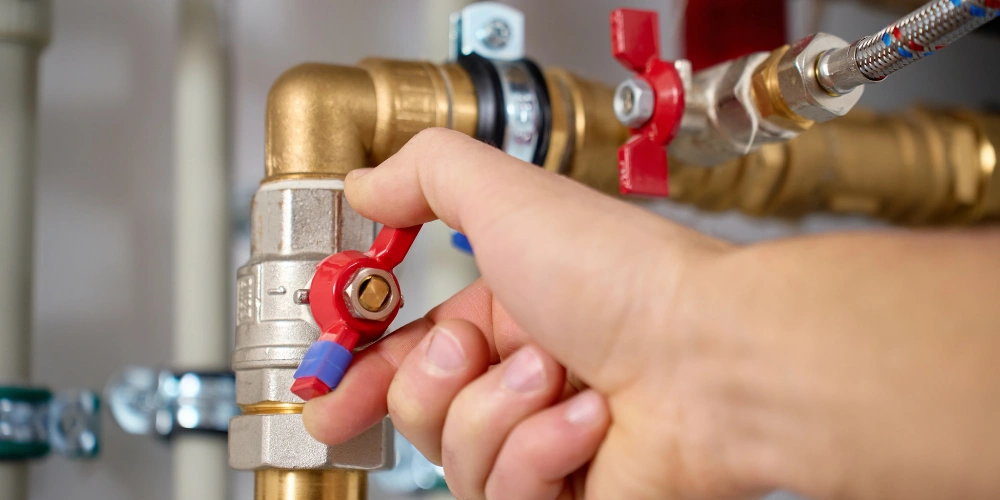
Building a new home means handling a lot of budget questions. Plumbing costs are key. Get those numbers right. National homebuilder data shows a typical suburban house of 2,500 square feet needs a budget. It usually costs between $8,000 and over $20,000. Exactly How Much Does Plumbing A New House Cost? depends a lot on your zip code, the complexity of your floor plan, and the materials you choose. Many future owners focus on shiny faucets and rainfall showerheads. They don’t realize how much infrastructure is needed to make them work.
Think of your new home plumbing like an iceberg. This helps you grasp these estimates better. Experts often tell clients that the beautiful showroom fixtures are just the start. There’s much more beneath the surface. Most of your money pays for the pipes under your floors. A clear example of this hidden cost is the DWV system. It’s the Drain-Waste-Vent network that serves as your home’s digestive tract. This important network of pipes moves wastewater away. It also vents sewer gases through the roof. It needs careful slopes and lots of work. This all happens long before you turn on a faucet.
Contractors break this big project into two billing stages. The first stage is the rough-in phase. This phase involves the heavy lifting. Plumbers install key water supply lines and DWV pipes. They run these through the wooden framing of your house. This happens before the drywall goes up. This behind-the-wall work needs special workers. It also needs local permits. City inspections are required for safety. This all takes up most of your budget. Your builder is creating the whole circulatory system of the house. This step is the most costly challenge to overcome.
The project enters the finish phase only after the walls are painted and the tile is laid. Plumbers come back to connect the toilets, sinks, and appliances. This turns the raw pipes into a working home. To avoid sticker shock in this two-part process, understand where your money goes. Know exactly what you’re paying for. A clear view behind the drywall shows the real numbers. This gives you a solid guide to plan your construction budget well.
Decoding the Per-Square-Foot Estimate: Why $4 to $6 is Only the Baseline
Contractors often use a baseline estimate of $4.50 to $6.00 per square foot. This helps them calculate plumbing costs for new house builds. This math seems simple, but it’s a flawed measure if you depend on it too much. A spacious, open-concept living room boosts the floor plan’s size. Plus, it needs no pipes at all.
The main factor in your final bill is “fixture density.” This refers to the total number of sinks, showers, and toilets needed. Plumbers don’t just consider floor area. They also factor in how complex it is to connect fixtures to the main line. You can cut your plumbing rough-in cost per square foot. Just use “wet wall efficiency.” This means designing your home so bathrooms and laundry rooms share the same framing. This way, they can use the same central pipes.
Some design choices can quickly change the standard per-square-foot rule:
- Bathroom Count: A third full bath raises prices much more than a big, dry bedroom.
- Dispersed Layouts: A powder room that is far from the main water line needs long pipes. This can cost a lot of money.
- Custom Additions: To add kitchen island sinks, you need to trench. This means digging into the concrete slab.
Vertical stacking shapes your overall estimate. It has a big impact.When you build a two-story home, place the upstairs bath above the downstairs washroom. This helps with plumbing. This saves hundreds in labor. It also prevents zigzag lines on the ceiling. These layout quirks make the rough-in stage complex. That’s why 70% of your budget is behind the drywall.
Plumbing Cost Breakdown Table for New House
Plumbing costs can be confusing. Many factors matter. Instead of guessing, check the table below. It breaks down key cost areas simply. It will show you where your money goes. You’ll also see what raises or lowers your total budget..
| Cost Category | Typical Cost Range | What It Includes | Cost Impact Level | How to Save Money |
| Rough-In Plumbing | 60% – 70% of total | Hidden pipes, DWV system, water supply lines | Very High | Finalize layout early, avoid changes |
| Fixtures & Finish Work | $2,000 – $8,000+ | Sinks, toilets, faucets, showers, installation | Medium | Choose mid-range fixtures |
| Piping Material (PEX/Copper) | Varies (PEX cheaper) | Water supply pipes throughout the house | High | Use PEX to reduce labor and material cost |
| Bathroom Count | +$1,500 – $5,000 each | Extra toilets, sinks, showers | Very High | Limit unnecessary bathrooms |
| Layout Complexity | Varies widely | Long pipe runs, isolated rooms | High | Use “wet wall” design |
| Sewer/Septic Connection | $1,000 – $5,000+ | Connection to city sewer or septic system | High | Plan based on location early |
| Permits & Inspections | $500 – $2,000 | Local government fees and approvals | Medium | Confirm costs with contractor upfront |
| Water Heater Installation | $800 – $4,500 | Tank or tankless system | Medium | Choose based on long-term needs |
| Labor Costs | Varies by location | Plumber fees (hourly or flat rate) | Very High | Compare multiple quotes |
| Contingency Budget | +10% of total | Unexpected issues or delays | Essential | Always keep a backup budget |
The Rough-In Stage: Why 70% of Your Budget Lives Behind the Drywall
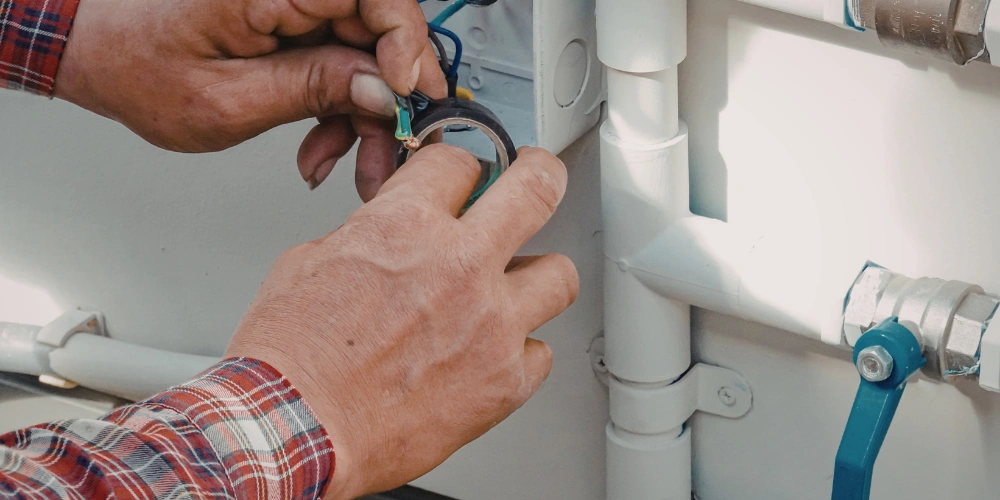
Homeowners often budget for visible faucets. But the true cost is in the hidden miles of pipes. During the rough-in stage, plumbers set up your home’s waste system. They do this before the drywall is added or the slab-on-grade foundation is poured. This phase takes up about 70% of your plumbing budget. The labor is very intense, while the plastic materials are quite cheap. Managing costs for residential vent stacks and waste-water layouts means hiring experts. They slope lines through trenches and joists. This helps gravity work well. It avoids the need for mechanical pressure.
The hidden Drain-Waste-Vent (DWV) system is key for your home’s health. It keeps everything working well.Drain pipes carry water away. Vent pipes let air in. This setup keeps harmful sewer gases out of your home. Once it’s set in concrete, changing it is tough. Changing your mind later can be expensive. The initial cost of a three-piece bathroom rough-in seems easy to handle. Moving a toilet two feet after the slab cures costs a lot. You could spend thousands on jackhammering and demolition.
Placing your fixtures early helps the crew finish the rigid waste skeleton. Next, focus on the pressurized supply lines. Once the rough-in footprint is secure, choose the material for fresh water. This will carry water through the framing. The material you pick for these modern supply lines affects your labor costs. Choose wisely!
PEX vs. Copper: How Material Choice Impacts Your Labor Bill
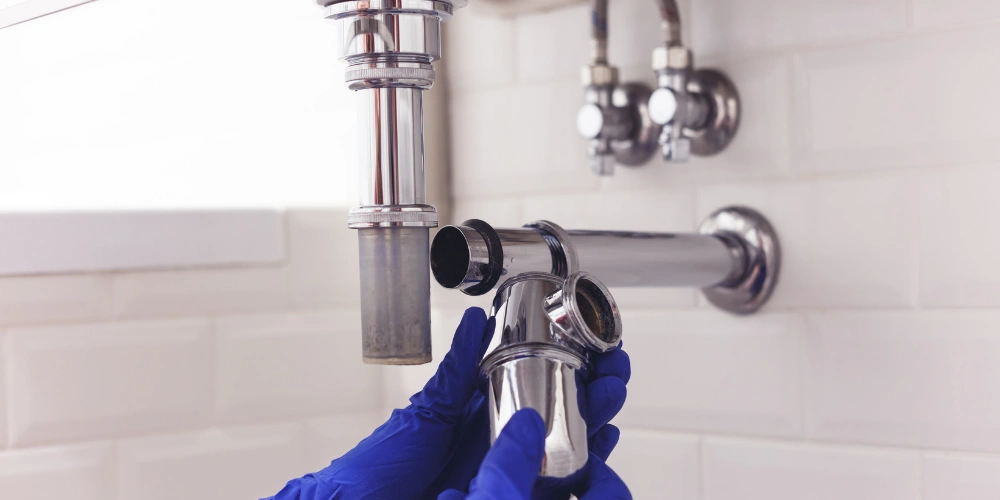
Once the waste skeleton is ready, plumbers work on the supply lines. These lines bring in fresh water under pressure. In the past, making a plumbing material list for a single-family home was a big task. You had to buy many feet of rigid copper. Today, most modern buildings use PEX. It’s a flexible plastic tubing that moves through framing like a garden hose. This flexibility removes the hard work of cutting and soldering joints. It also cuts labor hours for piping your house.
A quick price comparison of PEX and copper piping shows why builders prefer PEX:
- Price: Copper materials cost roughly three times more than PEX.
- Labor Time: Flexible tubing installs rapidly, saving thousands in hourly plumbing fees.
- Durability: PEX resists scale buildup. It also handles acidic local water. This water often corrodes traditional copper.
- Freeze Resistance: PEX expands a bit in winter. This helps lower the chance of serious pipe bursts.
PEX also works well with a “manifold system.” This is a central plumbing control box. It provides each sink and shower with a dedicated shut-off valve that’s easy to access.
Picking cheap tubing saves money. However, the way you route those lines will still impact your total bill. Dragging hot and cold water across a big floor plan, even with flexible pipes, costs money. To cut infrastructure costs before construction, rethink your architectural layout. Shared-wall architecture is the best choice. It cuts plumbing costs. Room placement affects these costs a lot.
The ‘Wet Wall’ Strategy: Saving Thousands by Stacking Your Bathrooms
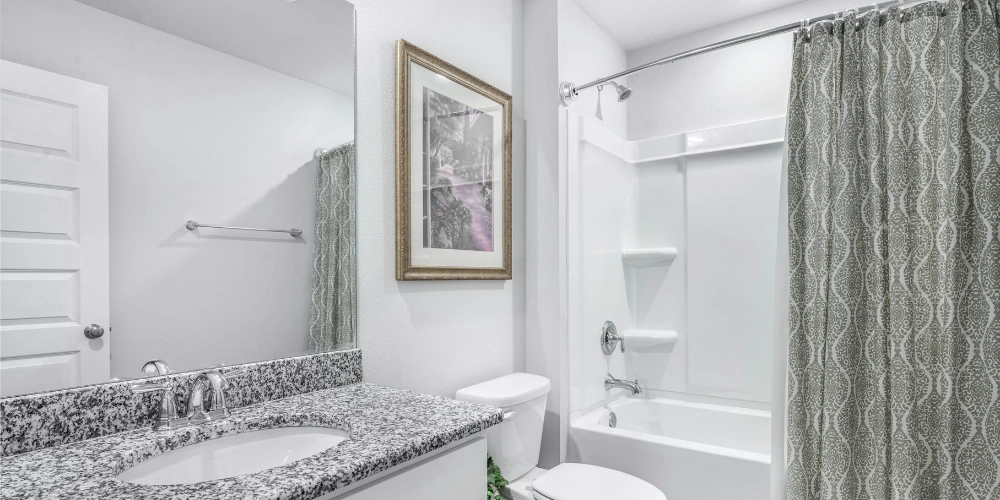
Homeowners often believe fixture prices set the final bill. But the distance between rooms matters more. It affects the total cost. If your master suite is far from the kitchen, plumbers need to drill through many framing joists. They do this to run supply and waste lines across the house. Builders tackle this inefficiency with a “wet wall.” This is a thicker framed wall that holds the main plumbing pipes. Putting bathrooms back-to-back on the shared wall saves a lot of pipe. This cuts down on the distance needed. Using a shared-wall layout is the best way to reduce bathroom plumbing costs.
Using this efficiency on various floors helps with stacking. This means putting items on top of each other. Putting a guest bath upstairs above a powder room below helps save space. They can share one waste drop and one roof vent stack. Every additional vent stack requires more labor and creates another roof penetration. This clustering strategy is key for estimating kitchen and laundry room costs. Keeping “wet” rooms close saves a lot of money. Isolating these spaces can make work harder. Adding fixtures, like a kitchen island sink, makes it tougher too. Contractors must trench through concrete. They need to run separate branch lines. This quickly drives up your labor costs.
Smart interior architecture keeps your space neat. But those pipes still need a place to go when they leave the foundation. Water can’t flow through your wet walls until the house connects to the neighborhood grid. Routing your drain system outside adds big costs. It also means high site preparation expenses.
Site Preparation Costs: Sewer Connections, Septic Systems, and Municipal Fees
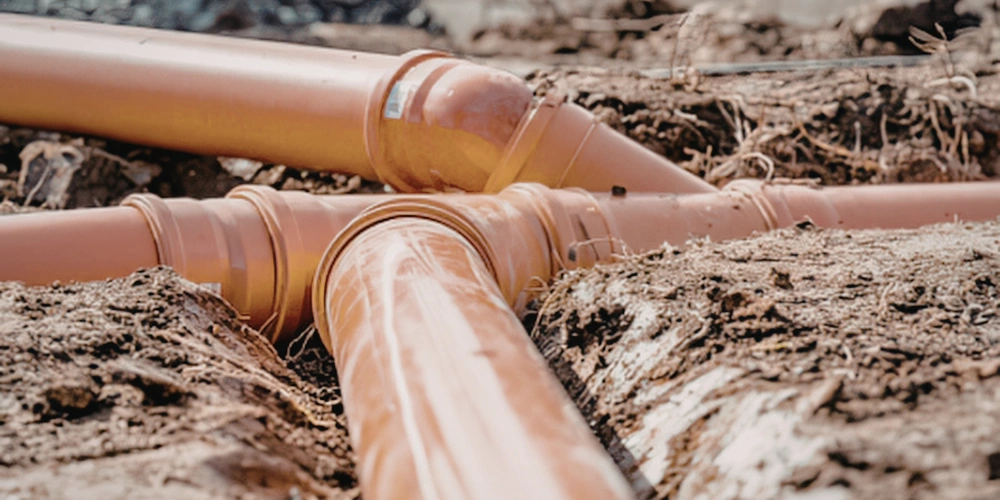
A big part of your plumbing budget is buried in the yard. Your interior plumbing links to the outside through lateral lines. These heavy-duty underground pipes connect your home to the municipal grid. Your main sewer line installation costs for new builds depend on your location. Costs can vary greatly based on where you live. Comparing costs for septic systems and city sewer connections is important. Urban lots connect easily to public systems. Rural properties need their own septic tanks. They must pass a “percolation test” first. This test checks if the soil can absorb waste safely.
Even if you link to city infrastructure, cities want their share first. You can’t dig a trench until then. Look at plumbing permit and inspection fees early. This way, you won’t be surprised at city hall. These mandatory administrative costs typically break down into three categories:
- Tap Fees: Cities charge a big fee. It’s usually between $1,000 and $5,000. This fee is for connecting your lateral lines to their public water and sewer mains.
- Permit Costs: These are local government fees. They give you permission to build your residential system.
- Inspection Charges: You pay county officials to visit your site. They check if your underground work meets safety codes.
Yard excavation matters for more than water and waste. It also affects how much it costs to install underground gas lines for appliances. Contractors run these utilities in parallel trenches from the street to your foundation. They charge by the linear foot. First, connect and bury the external arteries. Then, heat the incoming supply.
Water Heaters and Specialized Systems: Tankless vs. Traditional Costs
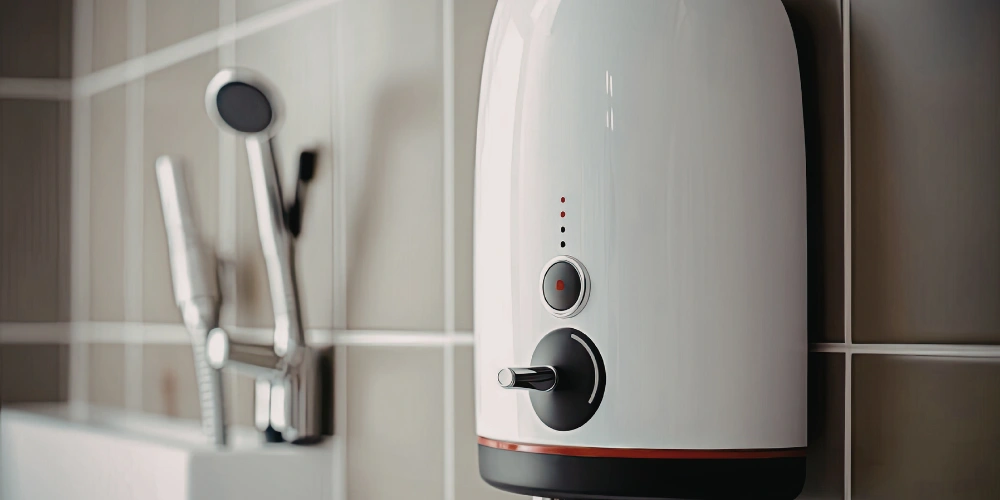
When fresh water reaches your foundation line, heat it. Use it daily. Homeowners pick between standard tanks or on-demand heating. Traditional units cost less at first. However, installing a tankless water heater system costs between $2,000 and $4,500. It saves money over time since it only uses fuel when you turn on the hot tap.
Upgrading core utility units affects your appliance budget. It impacts what you can afford. High-efficiency washers need their own supply lines. Smart dishwashers also need special lines. Luxury steam showers need good pressure regulators. They won’t work well without them. You’re not just buying a stylish unit. You’re also paying for the hidden pipes and valves. These support its advanced features, all tucked behind your drywall.
It’s important to keep natural groundwater away from your home’s footprint. This is just as vital as indoor amenities. Budgeting for sump pumps and foundation drainage is a must in areas with high water tables. These systems protect against flooded basements. Digging protective interior pits and installing discharge lines need skill. Let’s talk about labor rates and the master plumber premium.
Labor Rates and the ‘Master Plumber’ Premium
Installing complex infrastructure needs more than pipe-fitting skills. It needs a team with clear roles. Each role is important. Apprentices train. Journeymen work. Masters manage. Earning that top-tier certification takes a lot of time. You need thousands of hours of field experience. You also have to pass tough state tests on municipal building codes. Hiring a licensed pro costs more. But it protects you. It’s your best insurance against failed inspections. It also prevents serious water damage later.
Contractors typically structure their pricing through either hourly billing or flat-rate bidding. A flat-rate bid offers a fixed total for the whole job. This means the plumbing company takes on all the financial risk. This happens if there are delays in installation. Hourly agreements link your final bill to the clock. This means that labor rates for licensed master plumbers can vary greatly by zip code. In fact, regional cost of living differences can change overall labor prices by as much as 40 percent.
Unpredictable site conditions can cause extra plumbing costs in custom home builds. Hitting dense rock during trenching is one example. Waiting for framing crews can also lead to delays. This is a big issue if you’re on an hourly contract. Getting this professional help is the final step. It helps you make a clear plumbing budget. This way, you can avoid sticker shock.
Building Your Plumbing Budget: A 5-Step Roadmap to Avoiding Sticker Shock
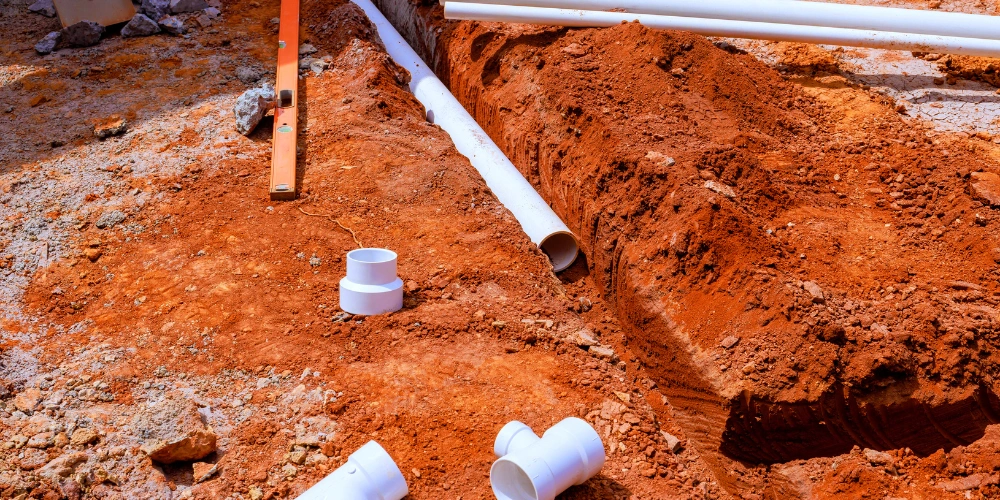
A plumbing budget often starts with picking brushed nickel faucets. But the real costs are under the floor and behind the walls. You can check house plans and easily spot “wet walls.” Distant second-story bathrooms will also raise costs. This helps you make better design choices before digging begins.
Controlling the bidding process is key to managing costs. When you ask for plumbing installation estimates, compare the offers clearly. Make it easy to see the differences. This helps you see what each contractor provides. It’s not just about the bottom line anymore. You need to look at the strategy, hidden fees, and the actual scope of work. A cheap bid can end up being very costly later.
Keep your new build on track. Avoid money issues. Use The 5-Step Plumbing Budget Checklist:
- Blueprint Review: Group wet spaces together to minimize complex pipe runs.
- Materials Choice: Weigh the labor savings of PEX against the longevity of copper.
- Quote Comparison: Ensure every contractor is bidding on the exact same scope of work.
- Permit Verification: Confirm who is responsible for filing the local paperwork.
- Contingency Planning: Prepare financially for unexpected job site delays.
You need to pay close attention when you review the final contract. This checklist will help. When comparing quotes, always check the material list. A low bid with builder-grade plastics isn’t a true deal. It might be smart to pick a higher bid. It can offer better, long-lasting materials. Also, check that the contract covers all municipal inspection fees. Then, add a 10% contingency to your plumbing budget. This will help you handle any surprises that come up with custom homes.
Ultimately, answering “How Much Does Plumbing A New House Cost?” is about more than just bracing for sticker shock. It is about investing wisely in the circulatory system of your dream home. Know the rough-in phase. Manage your quotes. This way, you enter the construction site as an informed homeowner. You are not just a buyer. You are ready to build a strong foundation.
Summary
Plumbing a new house goes beyond just putting in sinks and toilets. It’s about creating a full system that operates behind the walls.The average cost ranges from $8,000 to $20,000 or more. The final price depends on your home’s layout, fixtures, materials, and location. Most of the budget is used in the rough-in stage. This is when essential pipes are installed before the walls are closed.
The main factor that affects cost isn’t the size of your home. It’s the layout of your bathrooms, kitchen, and laundry areas. Smart design choices save money. Group “wet areas” together. Stack rooms. This cuts labor and material costs. Using modern materials like PEX instead of copper can save money. You won’t lose any performance.
Think about more than just indoor plumbing. You also need to plan for outside costs. These costs are sewer connections, septic systems, permits, and inspections. Upgrades like tankless water heaters or high-tech appliances cost more at first. But they can save you money in the long run.
Plan ahead to avoid mistakes. Finalize your layout. Look at contractor quotes closely. Know where your money goes. Make smart choices. This helps you manage your plumbing budget. You can create a system that lasts for years.
Frequently Asked Questions (FAQ)
Planning plumbing for a new house raises many questions. You might wonder about cost, design, and materials. Below are some common questions homeowners ask before starting construction. These quick answers will help you understand the basics and avoid costly mistakes.
How much does it cost to plumb a new house?
The cost usually ranges from $8,000 to $20,000 or more. It depends on your home size, number of bathrooms, layout, and materials used. Complex designs and high-end fixtures will increase the total cost.
Why is the rough-in stage so expensive?
The rough-in stage includes installing all hidden pipes behind walls and under floors. It requires skilled labor, proper planning, and inspections. Since everything is built into the structure, it takes the largest share of the budget.
Is PEX better than copper for new construction?
PEX is more affordable, flexible, and faster to install, which helps reduce labor costs. Copper is more traditional and durable but costs more. Most modern homes use PEX for its cost and efficiency benefits.
How can I reduce plumbing costs in a new home?
You can save money by:
- Grouping bathrooms and kitchens together.
- Using a “wet wall” design.
- Finalizing your layout early.
Look at different contractor quotes. Save some extra money for surprises.
Conclusion
Plumbing a new house goes beyond sinks and toilets. It’s about creating a dependable system that lasts for years. Every choice impacts your budget. This includes rough-in plumbing and fixtures. It also covers PEX vs. copper piping, wet wall design, and site prep costs. These costs can include sewer connections or septic systems. Most costs are hidden behind walls. So, planning early is key.
Finalize your layout. Group bathrooms with kitchens. Pick materials carefully. This will help you avoid costly changes. Compare contractor quotes. Include permits and inspections in your budget. Set aside 10% for unexpected costs.
One client wanted three bathrooms in a 2,500-square-foot house. We redesigned the layout to stack two bathrooms upstairs over the main floor. By grouping plumbing along a shared wet wall, we saved over $5,000 in labor and material costs. A homeowner changed from copper to PEX piping. This cut installation time and lowered costs, all while keeping durability high.
Understanding plumbing costs helps you make smart choices. This way, you can create a home that looks great and works well behind the walls. Planning wisely today prevents costly surprises tomorrow.