How Much Does Plumbing Cost For A Tiny House?

Many Americans dream of building a tiny home. It offers freedom, lowers costs, and simplifies life. But before choosing paint colors, you must cover the basics. Builders often ask: How much does plumbing cost for a tiny house? Getting water in and waste out is key for a tiny home.
I’m Archie M. Guerrero, a home repair expert in New York.. Many small projects go over budget due to poor planning. Plumbing isn’t just about pipes. It also includes fixtures. Heaters and disposal systems are part of it too. In this guide, I’ll outline all the expenses you can expect. We’ll check material costs. We’ll look at labor rates. We’ll also review different system types.
It doesn’t matter if you’re building on a trailer in Oregon. It also applies if you’re using a foundation in Texas. We’ll look at ways to save money safely. You will learn about PEX piping. You will explore greywater systems. You will also learn about water heaters. By the end, you’ll have a clear plan for your tiny house plumbing budget.
How Much Does Plumbing Cost For A Tiny House?
A tiny house plumbing system usually costs between $1,000 and $5,000. This range has basic materials like PEX tubing. It also includes high-end fixtures. If you hire a pro, expect to pay more. HomeAdvisor notes that labor can take up 50% of your budget. Knowing this helps you avoid surprises. They can save you money during your build.
Tiny House Plumbing Cost Estimates (USA)
First, check out the big picture. Then, dive into the details. Here’s what you can expect to pay for your project: These estimates show current U.S. market rates. They apply to DIY builders and to those who hire professionals.
| Expense Category | DIY Estimated Cost | Professional Estimated Cost | Key Factor |
| Piping & Fittings | $300 – $600 | $800 – $1,200 | PEX vs. Copper |
| Water Heater | $200 – $600 | $700 – $1,200 | Propane vs. Electric |
| Toilet System | $150 – $950 | $300 – $1,500 | Flush vs. Composting |
| Fixtures (Sinks/Taps) | $100 – $400 | $300 – $800 | Standard vs. Designer |
| Labor Fees | $0 | $1,500 – $3,000 | Hourly rate in your state |
| TOTAL | $750 – $2,550 | $3,600 – $7,700 | Complexity of Layout |
1. The Basic Costs of Tiny House Plumbing
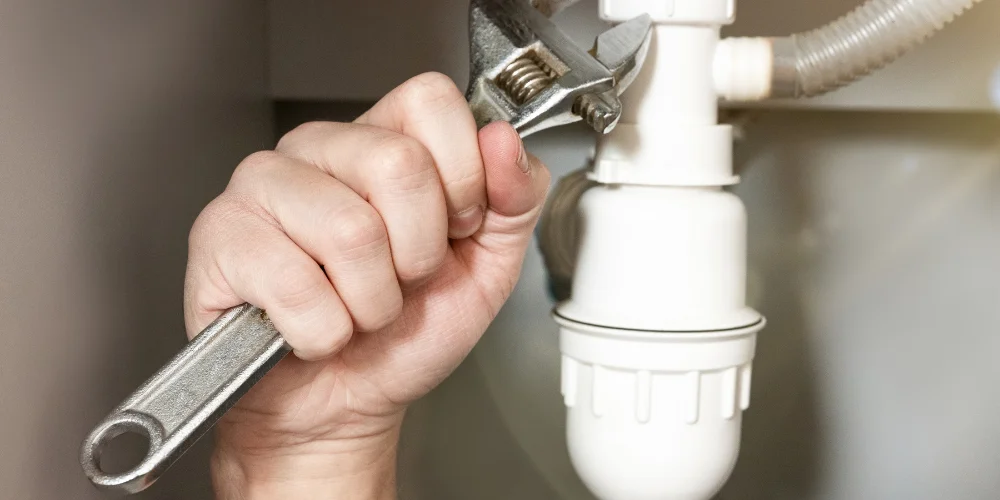
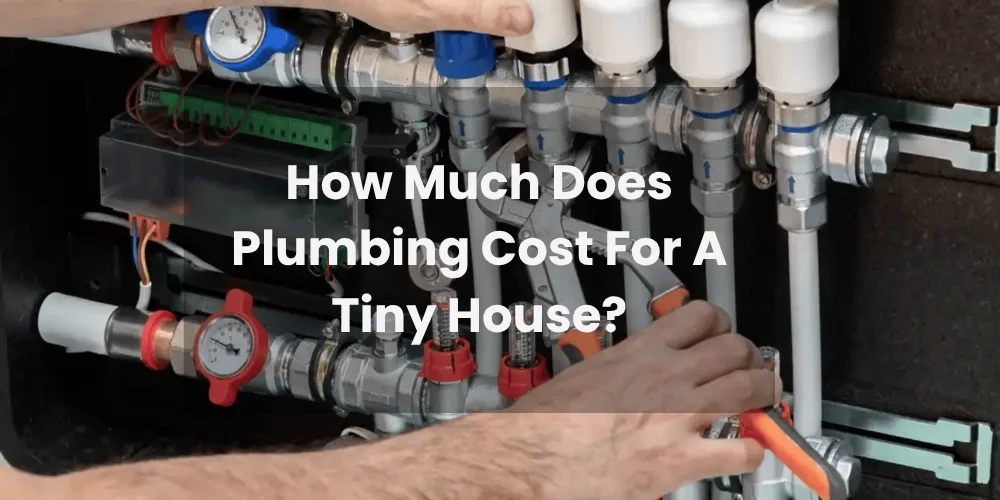
You need to know the main costs before you begin. Many tiny homes use PEX. It’s cross-linked polyethylene. PEX is flexible and doesn’t freeze easily. A 100-foot roll of PEX typically costs between $30 and $50 at stores like Home Depot. Remember to add fittings. Also, include valves and manifold systems. These small parts can quickly add up to $200.
In my work around New York City, space is always the biggest challenge. Plan your layout carefully. This way, pipes won’t take up your living space. A compact design with the kitchen and bath sharing a wall saves money. This “wet wall” method cuts down on piping. It also makes the system easier to maintain. PEX Piping: $100–$300 for a complete tiny home. Fittings and Manifolds: $150–$400. The price varies by complexity.
- Venting and Drains: $100–$250 for PVC materials.
A new study by the Tiny House Industry Association shows that most DIYers spend $1,500. This amount is just for materials. This includes basic tools. PEX crimpers are about $60. Investing in quality tools now stops leaks. This protects your subfloor from damage later. Map your pipe runs on paper first. This helps you see the difference before buying anything!
2. Choosing Reliable Pipes and Essential Materials
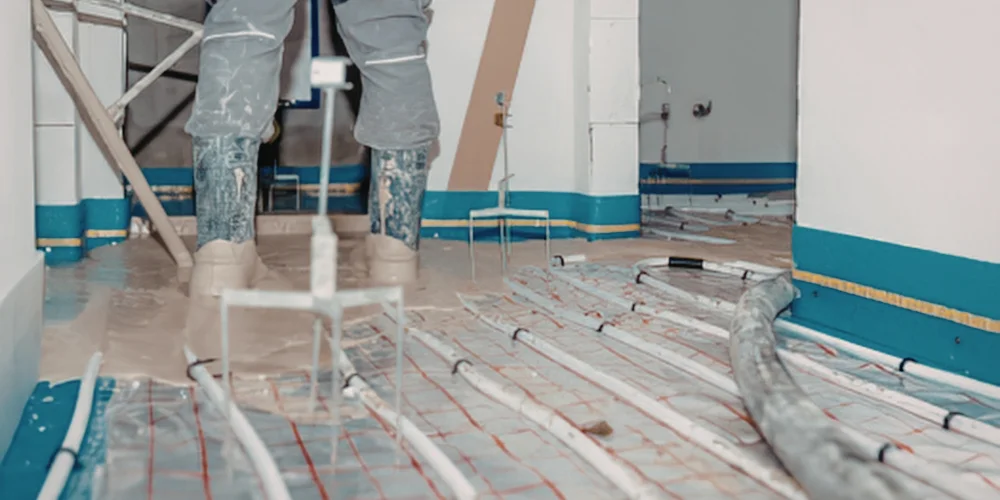
Picking the right materials is the next key step in your journey. Copper is traditional, but it’s heavy and costly for tiny homes on wheels. Most American builders pick PEX. It works well with road vibrations. SharkBite offers push-to-connect fittings. They are easy to use. Perfect for beginners. These parts cost more than crimp fittings. But they save you hours of frustration.
When I help clients in the USA, I always suggest buying more connectors. It’s better to have extras. It’s better to have an extra elbow joint than to take a break for shopping. Insulate your pipes. It matters.In cold states like Montana and New York, frozen pipes happen a lot. They can cause serious problems. Foam pipe sleeves are cheap. They protect your investment.
- SharkBite Fittings: $8–$15 each (super easy to use).
- Crimp Fittings: $0.50–$2.00 each (needs a special tool).
- Insulation Sleeves: $1–$3 for a six-foot section.
The International Residential Code (IRC) says plumbing needs safety rules. These rules help keep people safe. Even if your tiny house isn’t allowed, follow these rules. They help keep your water clean and your drains flowing well. High-quality materials can cost more at first. But they stop water damage. Check your local hardware store. They may have bulk discounts on PEX rolls this week.
3. Proven Ways to Heat Your Water
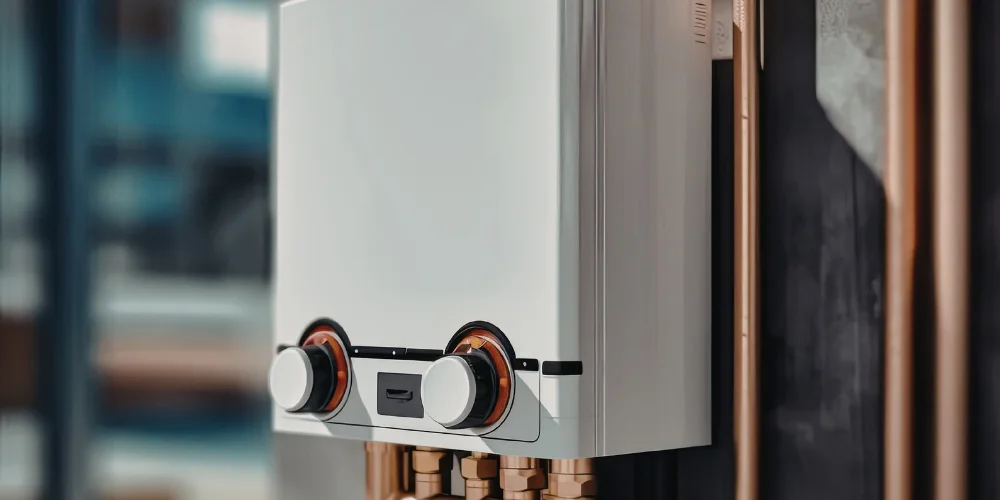
A home needs hot water for showers to be functional. The heater you pick affects plumbing costs for a tiny house. Tankless propane heaters are the best choice for tiny living.They use very little space. They give you endless hot water. Brands like Eccotemp and Rheem have models made for small spaces.
As a repair specialist, I’ve seen many people miss the importance of venting needs. A propane heater needs a safe exhaust flue. This can add $100 to $200 to your installation cost. If you’re at a site with high-amp electricity, consider an electric tankless unit. It’s a good choice. It’s a smart pick. It’s a good option and choice. However, these need a lot of power that some tiny house panels can’t handle.
- Propane Tankless Heater:** Costs between $200 and $600 for the unit.
- Electric Point-of-Use Heater:** Costs $150–$300 for small tanks.
- Venting Kits:** $50 to $150, based on wall thickness.
Data from the U.S. Department of Energy shows that tankless heaters save 24% to 34% more energy than tank models. This means you’ll pay less on your utility bills each month. If you live in a sunny place like Arizona, a solar water heater is a great choice. Make sure to size your heater to fit your shower’s flow rate. Choose a unit that can handle at least 1.5 gallons per minute for an easy rinse!
4. Smart Solutions for Waste and Sewage
Dealing with “black water” can be the costliest plumbing issue. If you have a foundation, you may connect to a city sewer. In New York, sewer tap-in fees range from $500 to $3,000. It depends on the town. For mobile tiny houses, composting toilets are the best option. Brands like Nature’s Head and Separett lead the market in the USA.
Composting toilets don’t use water pipes. This makes plumbing easier.The units are expensive, usually priced over $900. For a traditional flush, you need a black water holding tank.RVs often have these, and they need a spot to dump waste. Every choice impacts your budget and daily life a lot.
- Composting Toilet: $900–$1,500 (saves on plumbing work).
- Standard Flush Toilet: $100–$300. It needs a septic tank or sewer.
- Black Water Holding Tank: $200–$500. Installation costs extra.
The EPA has strict rules for waste dumping locations. Make sure your system is legal in your area. Greywater systems use water from sinks and showers. They are easier and cheaper to manage. You can often redirect this water to a garden, if local laws permit. Check your local “Right to Farm” or “Tiny House” zoning laws first. Don’t start digging any trenches!
5. Professional Labor vs. DIY Savings
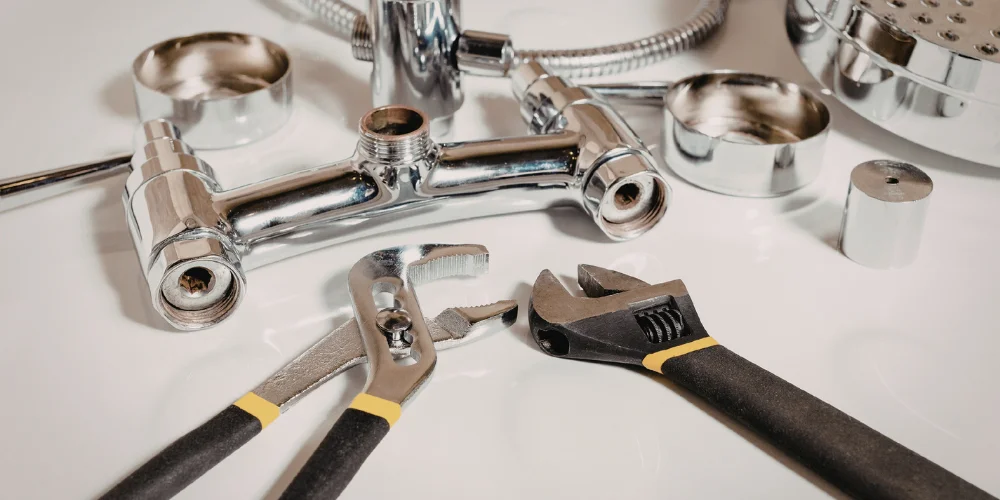
The main factor in how much plumbing costs for a tiny house is who does the work. A licensed plumber in the USA typically charges $45 to $200 an hour. A pro might charge $1,500 to $3,000 just for labor on a full tiny house. If you live in a pricey place like San Francisco or Manhattan, plan for the highest costs.
DIY saves money, but you need to learn carefully. I often tell my clients that plumbing is mostly planning—about 90%—and just 10% connecting. You can learn PEX crimping in just one afternoon. Watch videos or read manuals to get started. A mistake can lead to a leak behind a wall, costing you thousands in repairs. Many builders take a “hybrid” approach. They run the pipes but hire a pro for the final hookups.
- Master Plumber: $100–$200 per hour. This rate is ideal for complex gas lines.
- * Journeyman Plumber: $50–$100 per hour (best for rough-ins).
- DIY Cost: $0 per hour, but plan for tool purchases.
Forbes Home says plumbing a standard 2,000 sq ft home costs over $10,000. That’s a lot! A tiny house is smaller, so you’re saving even more. Feel free to call a local plumber just for a consultation.Pay them for two hours to check your work. This brings peace of mind and keeps your family safe!
6. Simple Tips to Reduce Your Total Bill
You can save money in many ways. You can keep quality high too.Check for “scratch and dent” fixtures at Lowe’s. A small ding on the side of a sink won’t matter after it’s installed in a cabinet. Use a single-handle faucet. This cuts down on the number of supply lines needed. This cuts costs by about $20 for each sink in parts and labor.
A trick I use in New York renovations is buying materials in bulk. Buy the 100-foot coil instead of 10-foot sections of pipe. You’ll use it all sooner or later, and the price per foot is way cheaper. Keep your kitchen and bathroom close to each other. Every foot of pipe you skip saves you money for decor!
- **Bulk Buying:** Save up to 20% on piping costs.
- **Standard Fixtures:** Stick to regular sizes to save over $100..
- **Gravity Fed Systems:** They can remove the need for a costly pump.
A report from **Statista** says home improvement costs are up. They have risen recently. Shop smart. It matters now more than ever. Check online for leftover PEX or PVC. Many people sell excess materials from big jobs. You can often get new materials for half the retail price. Start looking for deals early in your build to save more!
Frequently Asked Questions
**What’s the average cost for tiny house plumbing?** Tiny house plumbing costs around $1,500 to $3,000. This includes your pipes. It also includes the water heater, toilet, and basic fixtures. Choosing high-end items, such as a copper sink or a luxury composting toilet, can push the price up to $5,000. To save money, doing the work yourself is the best option.
Can I use a standard toilet in a tiny house?
Yes, you can use a standard toilet. It just needs to connect to a septic tank or city sewer. This raises the question of **how much plumbing costs for a tiny house** due to the outside hookups. If you’re on wheels and travel a lot, a composting or RV toilet is a better choice. Standard toilets use more water. This can be a problem if your fresh water tank is small.
Is PEX better than copper for tiny homes?
In the tiny house world, PEX usually comes out on top.It’s cheaper than copper and easier for beginners to install. Tiny houses move a lot. PEX pipes are flexible. This stops them from cracking during travel. Copper can be stolen for scrap if your build site is not secure. Most builders in the USA now use PEX because it is durable and low-cost.
Do I need a water pump for my tiny house?
You don’t need a pump if you’re connecting to a city water hose. City pressure pushes water through your pipes. If you have a fresh water storage tank, you need a 12V or 110V pump. These pumps usually cost between $60 and $150. Brands like SeaFlo and Shurflo are well-liked in the American off-grid community. They are known for being reliable.
How do I prevent pipes from freezing in a tiny house?
Frozen pipes can be a big problem for tiny houses, especially those on trailers. Use heat tape and foam insulation on all outside pipes. Skirting your tiny house keeps the underside warm in winter. In cold places like **Upstate New York**, many folks use a “recirculating” system. This keeps water moving. That stops it from freezing and breaking your pipes.
Quick Summary
Plumbing a tiny house is doable with good planning. You need a budget and the right materials. Costs change depending on if you hire a pro or do it yourself. Choose smart fixtures and layouts to save thousands. This guide shows you the plumbing costs for a tiny house. This way, you can build with confidence.
Key Points Covered
Costs typically range from $1,000 to $5,000.
- PEX piping is the best choice. It’s both affordable and durable.
- Water heaters and toilets cost the most.
- Hiring a master plumber can double your budget.
- Good planning stops leaks and costly water damage.
Conclusion
Plan your budget first. It’s key for a successful tiny house journey. The cost of plumbing for a tiny house depends on your choices. If you use PEX pipes and handle the work yourself, you can wrap it up for less than $2,000. Getting help from a pro or using high-tech toilets will increase the number.
In my role as a specialist in **New York**, I stress the importance of quality. Don’t buy the cheapest valves. They will leak soon.Invest in what’s behind the walls. Choose strong fittings and quality insulation. You can upgrade a faucet later, but fixing a burst pipe is a real hassle.
Here are three useful tips for your project:
- Plan your plumbing “wet wall” before you buy materials.
- Invest in a good PEX crimping tool for secure, leak-free joints.
- Choose a water heater that works with your power source. Is it propane or electric?
Check your local building codes in the **USA** to see if you need an inspection. Following those standards keeps your home safe and valuable, even if you don’t. Building a tiny house is a fun adventure. Getting the plumbing right is satisfying. Good luck with your build! A bit of planning can really help!
Draft your plumbing diagram today. See how much pipe you really need. If you found this guide helpful, share it with a friend dreaming of going tiny!