Is It Safe To Charge Electric Scooter At Home?

Did you just buy an electric scooter? Are you wondering if it’s safe to charge it at home? You are not alone. Many Americans use electric scooters. They ride them for work, errands, and fun in their neighborhoods. But with that growing popularity comes a very real concern: home charging safety.
In big cities like New York, Chicago, and Los Angeles, fires are increasing. The main reason is lithium-ion batteries, used in e-scooters and e-bikes.
The New York City Fire Department (FDNY) says battery fires have killed many people. They have also injured hundreds in recent years. If you own an e-scooter, now is the time to be careful.
The good news is that charging your electric scooter at home is absolutely safe — if you do it the right way. This guide covers everything you need to know. From understanding battery risks to choosing the right charging spot, you will walk away with practical, easy-to-follow advice. You also read the complete electrical guide that help you to know everything.
I’m Archie M. Guerrero, a home decoration and repair specialist. I’ve seen how bad electrical setups can damage a home. Careless charging can also create problems. This post helps you protect your home. It also keeps your family safe and protects your scooter investment.
Key Takeaways:
- Charging an electric scooter at home is safe. Just follow the right steps.
- Always use the charger that came with your scooter. This helps prevent battery damage and fire risks.
- Never leave your electric scooter charging overnight or while you are asleep.
- Store and charge your scooter in a cool place. Make sure it’s ventilated and away from anything flammable.
- Check your charger and battery often. Look for any damage, swelling, or heat.
Is It Safe To Charge Electric Scooter At Home?
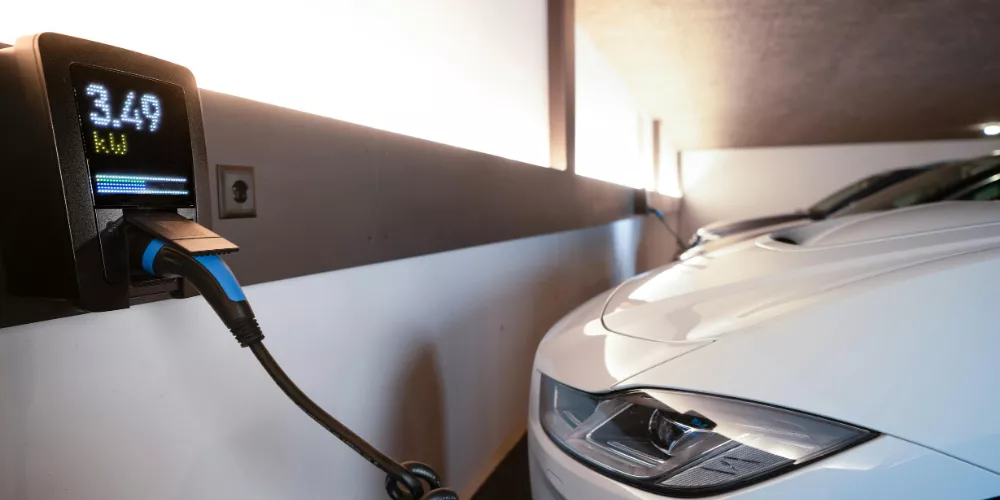
Charging an electric scooter at home is safe for most people when done correctly. The key word here is correctly. Electric scooters use lithium-ion batteries. They are strong and efficient. But they are sensitive. Heat, overcharging, and damage can hurt them. When handled poorly, these batteries can overheat, swell, or in rare cases, catch fire.
The U.S. Consumer Product Safety Commission (CPSC) says lithium- ion battery incidents are rising. More cases are happening. More cases are happening each year. They happen more often now. This has happened every year. However, the vast majority of these incidents are caused by user error, not a product defect. That means the risk is largely in your hands — and that is actually great news, because it means you can prevent most problems with a few smart habits.
The electric scooter market in the USA has exploded in recent years. Brands like Segway, Razor, and Xiaomi are household names now. It doesn’t matter if you ride a budget scooter or a high-performance one. The battery safety rules are always the same. Understanding how to charge safely is the single most important thing you can do as a scooter owner.
Let’s start from the basics and work our way up to advanced safety practices.
How Lithium-Ion Batteries Actually Work

To charge safely, know what happens inside your scooter. This helps you understand the process better. Lithium-ion batteries store energy. They do this by moving lithium ions between two parts: an anode and a cathode. When you charge the scooter, ions move in one direction. When you ride, they flow back. This cycle repeats hundreds of times over the battery’s lifespan.
These batteries are designed to operate within a safe temperature and voltage range. If the range is exceeded, the battery can go into thermal runaway. This can happen because of a faulty charger, high heat, or physical damage. This is when heat builds on itself rapidly, potentially causing a fire or explosion.
Here is what affects battery health most:
- Temperature extremes — Charging in hot or cold conditions can hurt the battery. It makes it wear out faster.
- Overcharging — If you leave the scooter plugged in after 100%, it stresses the cells.
- Physical damage — A dropped or punctured battery pack is a serious hazard.
- Cheap or incompatible chargers — These can send the wrong voltage to the battery.
Lithium-ion battery fires are risky, according to the National Fire Protection Association (NFPA). They burn very hot. It’s tough to put them out with regular water. Homeowners should treat battery charging like other tasks. It needs care.
Common Dangerous Charging Mistakes to Avoid
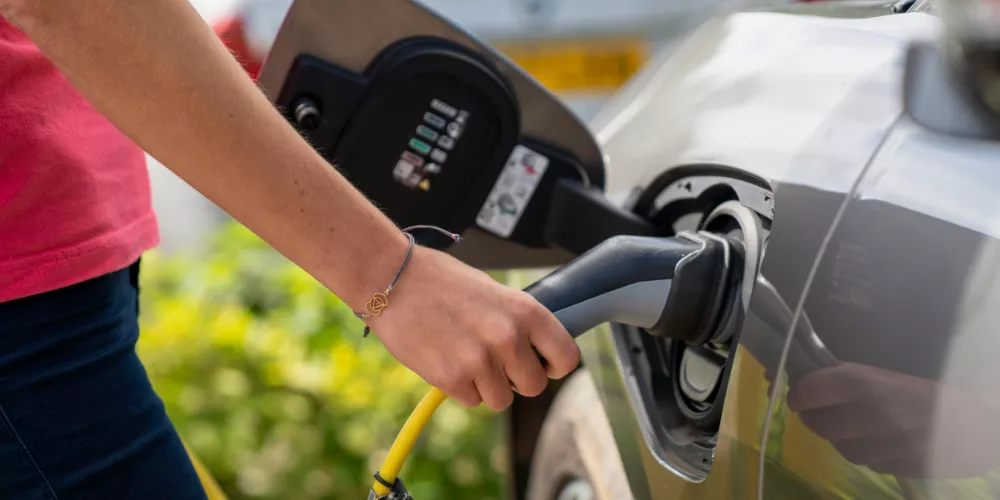
Most scooter charging accidents in the USA are 100% preventable. They happen because of habits that seem harmless but are actually quite risky. I’ve seen damaged homes and burned outlets in my repair work across New York. These mistakes happen more often than you might think.
Here are the most dangerous charging mistakes people make:
- Using a third-party or fake charger can save money, but it’s risky. They might overload your battery and even cause fires.
- Charging on soft surfaces is not safe. Avoid carpet, bedding, and curtains. They can trap heat and catch fire.
- Don’t leave the scooter plugged in overnight. Most budget models don’t have strong overcharge protection.
- Charging in a blocked closet or tight corner can cause overheating. Poor airflow around a charging battery is risky.
- Ignoring warning lights or unusual smells — These are early signals of battery trouble that people too often dismiss.
- Charging a visibly damaged scooter — A cracked casing or swollen battery should never be plugged in.
A 2023 CPSC report found that many lithium-ion fires start in bedrooms and living rooms. These are the spots where people often charge their scooters. The safer move is always to charge in a lower-risk area.
A New York City resident lost many belongings. A cheap scooter charger sparked a fire in their hallway while they slept. This is not an isolated story. The FDNY regularly publishes fire safety alerts specifically about e-bike and e-scooter charging.
The Smartest and Safest Place to Charge Your Scooter
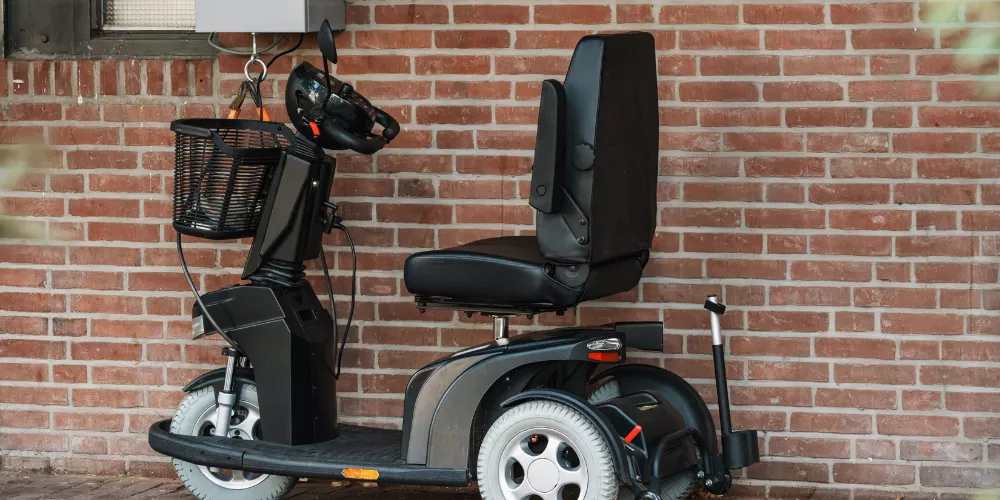
Location matters more than most people realize when it comes to charging safety. Picking the right place in your home cuts fire risk and keeps your battery healthy over time.
The best places to charge your electric scooter at home include:
- Garage or carport — Excellent airflow, away from living areas, and easy to exit in an emergency.
- Entryway or mudroom — A practical middle ground if you do not have a garage.
- Balcony or covered patio — Good ventilation, though protect from extreme outdoor temperatures.
- Dedicated storage room with a concrete or tile floor — Non-flammable surfaces are ideal.
Places to absolutely avoid:
- Bedrooms or sleeping areas
- Kitchens (too many flammable materials)
- Carpeted hallways or closets
- Anywhere blocking a fire exit
For home safety, I urge my New York clients to treat their scooter charging area like smoke detectors. They should do this carefully and thoughtfully. Make sure a smoke detector is installed in or near your charging area. This is important in apartment buildings. A garage might not be an option there.
The Electrical Safety Foundation International (ESFI) says to charge scooters. Do it on hard, flat surfaces. These surfaces should be fireproof. Keep three feet of space around the scooter. That simple rule goes a long way.
How to Choose the Right Charger Every Time
The charger you use is just as important as where you charge. Using the wrong charger is one of the fastest ways to damage your battery — or worse, start a fire. This is a point I cannot stress enough from both a repair and a safety standpoint.
Here is how to always choose the right charger:
- Use the OEM charger. This is the one that came with your scooter. It is calibrated specifically for your battery’s voltage and amp requirements.
- Check the voltage and amperage ratings. If you need a replacement, match these numbers. Do it exactly. They are printed on your original charger.
- Check for UL certification. UL stands for Underwriters Laboratories. This certification means the charger was tested for safety in the USA.
- Avoid marketplace deals that look too good. Counterfeit chargers fill sites like Amazon and eBay. Stick to the brand’s official website or authorized retailers.
- Replace damaged chargers now. Frayed cords are risky. Bent prongs are dangerous. Cracked housings can cause harm too.
Genuine vs Counterfeit Electric Scooter Charger — Quick Safety Comparison
Not sure how to spot the difference between a safe charger and a risky one? This simple comparison table makes it easy. Check your charger before buying a replacement. It can protect your scooter, home, and family.
| Feature | Genuine Charger | Counterfeit Charger |
| UL Certification | ✅ Yes | ❌ Rarely |
| Correct Voltage Output | ✅ Always matched | ⚠️ Often mismatched |
| Overcharge Protection | ✅ Built-in | ❌ Usually missing |
| Heat Management | ✅ Controlled | ❌ Overheats easily |
| Price Range | $25–$60 | $5–$15 |
| Where to Buy | Brand website, authorized retailers | Random online marketplaces |
| Fire Risk | 🟢 Low | 🔴 High |
Segway-Ninebot and Xiaomi sell chargers. You can buy them on their websites. If your original charger breaks, that is always the first place to look.
A study by Which? A consumer safety group found that fake chargers usually fail safety tests. When they fail, they can overheat, spark, or catch fire. In the USA, the CPSC recalled many third-party chargers. They did this for these reasons.
Essential Safety Tips for Overnight and Long Charging

One of the most common habits people want to break — but find hard to — is overnight charging. It is convenient. You plug it in before bed, wake up, and it is ready. But this habit carries real risk, especially with older batteries or budget-grade scooters.
Here are the essential rules for safe charging duration:
- Do not charge past 80–90% for everyday use. Most lithium-ion batteries last longer and stay safer when you don’t charge them to 100% all the time.
- Don’t charge overnight unless your scooter has a smart BMS that stops power at full charge. Even then, try to avoid it if you can.
- Set a timer. You can find a simple outlet timer at any hardware store for under $15. It will automatically cut power after a set number of hours.
- Stay nearby during the first 30 minutes — Most charging problems show up early. If you smell anything unusual, unplug immediately.
- Charge during the day when you can. If there’s a problem, you’ll be awake and can act quickly.
Smart charging accessories, such as outlet timers and smart plugs, can improve safety. Brands like Kasa and TP-Link are popular in the USA. They help you charge without making big changes to your routine.
The FDNY’s e-bike and e-scooter safety guidelines say most fires happen while charging. Many of these fires occur at night. Taking charging off the overnight schedule is one of the most impactful changes you can make.
Warning Signs Your Battery or Charger Is Failing
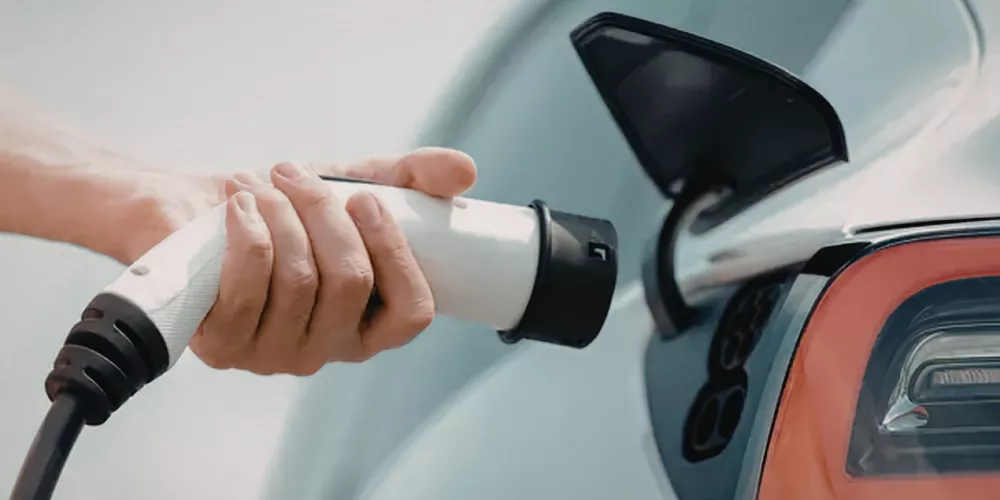
A failing battery does not always announce itself dramatically. Sometimes the signs are subtle — and that is exactly what makes them dangerous. As a home repair specialist, I notice early warning signs. I catch them before they become emergencies.
Watch out for these red flags:
- Battery swelling or bulging — A puffed-up battery pack is a serious fire risk. Stop using it immediately.
- Scooter gets hot while charging. Some warmth is normal, but too much heat is a problem.
- Charging takes much longer than usual — This can signal a degraded or failing battery.
- Charger feels very hot to the touch — A warm charger is fine; a burning-hot one is not.
- Burning smell or smoke? Unplug right away. Then, move the scooter away from anything flammable.
- Scooter’s battery drains quicker than before. This might mean the battery cells are nearing the end of their life.
- Charger indicator light acting up?
- Flickering
- Wrong color
- No light at all
- These can mean trouble.
If you notice any of these signs, do not ignore them. Contact the scooter manufacturer’s customer support line. Many brands, including Segway and Razor, have warranty programs that cover battery defects.
Check the CPSC’s recall database at CPSC.gov. You can see if your scooter model has battery issues. This is a free and easy resource every American scooter owner should bookmark.
Smart Home Electrical Prep for Safe Scooter Charging
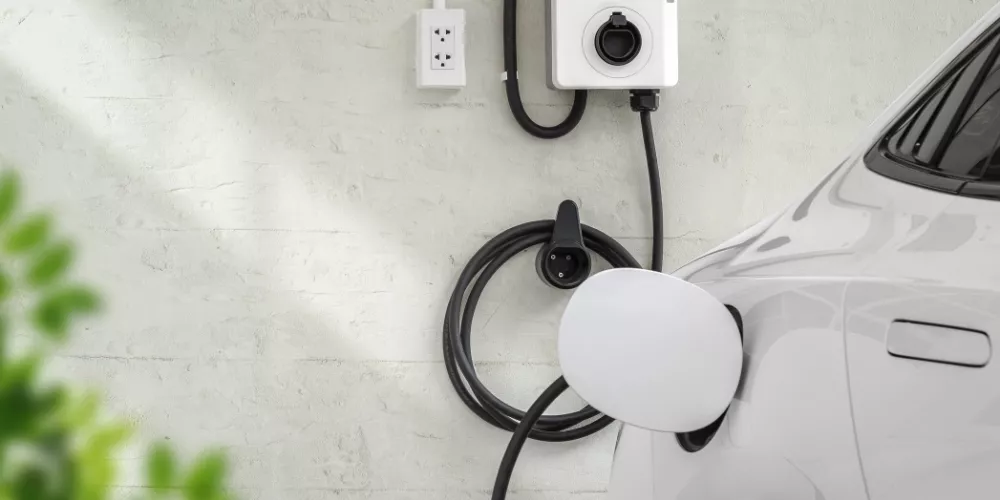
Your scooter’s safety is only as good as the electrical system it is plugged into. This is something many homeowners overlook completely. I often work in homes and see old electrical systems. They just can’t manage today’s device charging needs.
Here is how to make sure your home is ready:
- Use a grounded (3-prong) outlet — Scooter chargers require a properly grounded outlet. Two-prong outlets are outdated and unsafe for this use.
- Avoid extension cords. If you need one, choose a heavy-duty, short cord that matches the charger’s wattage. Never daisy-chain extension cords.
- Avoid overloading circuits. Don’t plug your scooter charger into a power strip that’s already powering multiple devices.
- Have a licensed electrician check older outlets. Homes built before 1980 in the USA often have wiring that can’t handle today’s charging needs.
- Think about adding a GFCI outlet where you charge. GFCI stands for Ground Fault Circuit Interrupter. These outlets turn off power right away if they sense a fault. This helps lower the risk of fire and shock.
In New York City and many other U.S. cities, building codes now mandate GFCI outlets. These outlets are required in garages, kitchens, and bathrooms. Having one in your scooter charging area adds an extra layer of protection. A licensed electrician can install one for around $100–$200 in most U.S. markets.
The National Fire Protection Association updates the NEC. They do this often. It sets the rules for safe home wiring in the USA. Following these standards isn’t just about rules. It’s about keeping your family safe.
What To Do If Your Scooter Battery Catches Fire
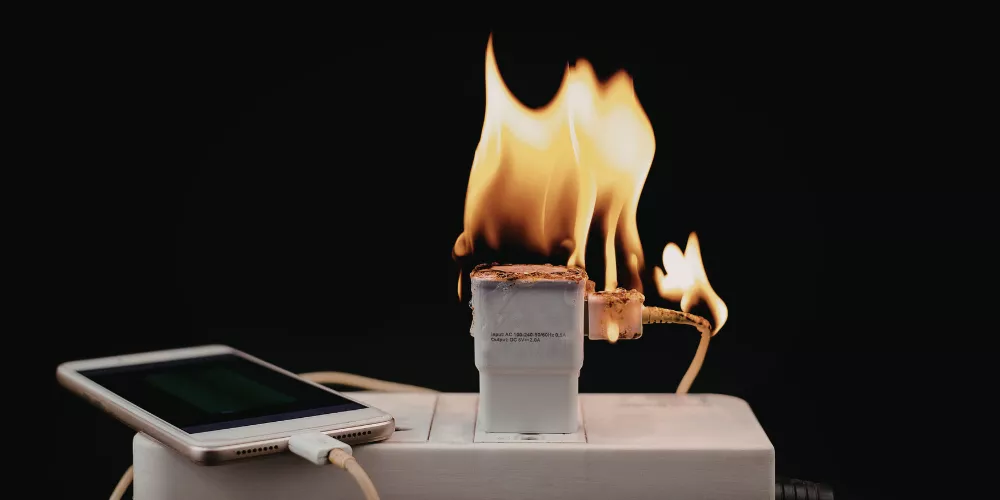
Nobody wants to think about this scenario, but being prepared can save lives. Lithium-ion battery fires are not like regular fires. They behave differently. It’s crucial to respond correctly.
Follow these steps if a battery fire starts:
- Do not use water — Water can react with lithium and make the fire worse. Use a Class D or ABC dry chemical fire extinguisher if available.
- Get everyone out of the home first — Your life is more important than stopping the fire.
- Call 911 immediately — Let firefighters handle it. Inform them it is a lithium-ion battery fire so they can prepare accordingly.
- Do not try to move a burning scooter — Picking it up risks spreading fire or causing the battery to explode.
- Close doors between you and the fire — This slows the spread while you evacuate.
- Never re-enter the home — Wait for the fire department to clear the scene.
The FDNY says to keep a fire extinguisher for electrical fires near your charging area. It’s important to have it nearby. They also recommend installing interconnected smoke alarms. When one alarm sounds, they all do. This gives you more warning time.
Having a home fire escape plan is always a good idea regardless of whether you own a scooter. The American Red Cross offers free resources. You can find them on their website. They help with home fire escape planning.
Quick Summary
Charging an electric scooter at home is safe if you:
- Use the correct charger.
- Choose a good location.
- Avoid risky habits, like charging overnight.
Lithium-ion batteries need careful handling. Simple steps can make home charging safe. Most American households can follow these easy tips.
Key Points Covered:
- Lithium-ion batteries can be risky. They can become dangerous if they are overcharged. They can also overheat or be charged with the wrong charger.
- Always use the original or manufacturer-approved charger with UL certification.
- The best charging locations are garages, entryways, or any hard-surface, ventilated space.
- Never charge overnight unless your scooter has a verified battery management system.
- Know the warning signs of a failing battery — swelling, unusual heat, and burning smells.
- Prepare your home’s electrical system with grounded outlets and ideally a GFCI outlet.
- Have a fire extinguisher and an escape plan ready in your charging area.
Frequently Asked Questions
People across the USA have a lot of questions about charging electric scooters at home. It makes sense — safety is always a top priority. Here are answers to common questions. They’ll help you charge smarter and feel confident each time you plug in.
Is it safe to charge electric scooter at home overnight?
Charging your electric scooter at home overnight is generally not recommended. Some scooters have battery management systems. They stop charging when the battery hits 100%. But many budget models do not have good overcharge protection. The risk of overheating increases when no one is awake to notice warning signs. The safest habit is to charge during the day when you can monitor it. Use a smart outlet timer. It cuts power after the expected charge time, usually 4 to 8 hours, based on your model.
Can charging an electric scooter at home cause a fire?
Yes, it can — but only under certain conditions.
The most common causes are:
- Using the wrong charger
- Charging on flammable surfaces
- Ignoring a damaged battery
- Leaving the scooter plugged in too long
To charge your electric scooter safely at home, follow these tips:
- Use the original charger.
- Charge in a ventilated area on a hard surface.
- Never charge it while you sleep.
These steps make home charging safe for most scooter owners in the USA.
What is the best place to charge an electric scooter inside a home?
The best spot is a garage, entryway, or any room with a hard, non-flammable floor. It should have good ventilation and a grounded outlet. Keep the charging area clear of clutter, curtains, and cardboard. Install a smoke detector nearby. Avoid charging in bedrooms, carpeted areas, or anywhere that blocks a fire exit. A concrete floor with plenty of open space is ideal.
How long should I charge my electric scooter?
Most electric scooters need 4 to 8 hours to charge fully from empty. This time varies based on the battery size. Check your owner’s manual for the exact recommended charging time. Avoid charging beyond the recommended time. Many experts suggest stopping at 80–90% for daily use to extend battery life and reduce stress on the cells. Setting a timer or using a smart plug can help you stay within safe charging windows.
What happens if I use the wrong charger for my electric scooter?
Using the wrong charger can send the wrong voltage or amperage to your battery. This may cause it to overheat, swell, or even fail. In serious cases, it can cause thermal runaway. This is a dangerous chain reaction in the battery that can lead to a fire. Always use the charger that came with your scooter or a manufacturer-approved replacement. Look for UL certification and matching voltage/amperage specs if you need to buy a new one.
Conclusion
So — is it safe to charge electric scooter at home? Absolutely. Millions of Americans do it every single day without any issues. The key is knowing the risks and taking simple, smart steps to manage them.
Let’s quickly recap the three most practical takeaways from this guide:
1.Always use the right charger. This single habit eliminates one of the biggest causes of lithium-ion battery fires. Stick to your original OEM charger or a manufacturer-approved replacement with UL certification. Do not let a $20 savings put your home at risk.
2. Pick a safe charging spot and stick to it. No matter if it’s your garage in New York or a mudroom in the Midwest, having a charging area is key. It should have a hard floor, good airflow, and a smoke detector nearby. This setup is your best defense. Treat it like a real setup — not an afterthought.
3. Charge during daylight hours only. Overnight charging is one habit worth breaking. Set a timer, use a smart plug, and charge when you are awake and alert. The convenience of a fully charged scooter in the morning is not worth the risk if you are not monitoring it.
I have worked on enough homes across New York to know that small safety habits make a huge difference. Just as you check plumbing and wiring, look after your smoke alarms. You should also care for your electric scooter. Charging it safely is important. It is all part of keeping a safe, well-functioning home.
If this guide helped you, share it with a friend or family member who rides an electric scooter. Drop a comment below with your own charging tips or questions. If you want to learn more about home safety and maintenance, bookmark this post. Check out our resource library for more tips. Stay safe, ride smart, and care for your home.