
How To Get Spray Paint Smell Out Of House?

You just wrapped up a spray paint project inside. You might have painted a piece of furniture. Or maybe you touched up a wall in your New York apartment. The job looks great, but now your house smells like a chemical factory. Does that sound familiar?
That strong, chemical smell from spray paint is not just bad. It can also be harmful. It may lead to headaches. It can also cause dizziness. You might feel nausea. Breathing can be tough, too. The fumes come from VOCs, or volatile organic compounds. These chemicals evaporate quickly. In a closed space, they can linger in the air for hours or even days.
Knowing how to get spray paint smell out of your house is not just about comfort. Make your home safe for your kids, pets, and yourself. You don’t need expensive tools or expert help. That’s awesome! You can clear those fumes fast and safely by following the right steps.
In this guide, Archie M. Guerrero is an expert. He focuses on home decoration and repair. He’s from New York. He shares what you need to know. You’ll find easy solutions. Here are some quick tips for better ventilation and natural ways to absorb odors.
This post is part of the Complete Guide to House Painting in Simple Terms — a full resource covering every step of the painting process for American homeowners.
Key Takeaways:
- To get spray paint smell out of your house, follow these steps. This keeps your family safe from harmful fumes.
- Open windows and doors right away. The fastest way to eliminate spray paint smell is simple.
- Activated charcoal, baking soda, and white vinegar are safe. They are also cheap. These are great choices for getting rid of odors.
- HEPA and carbon filter air purifiers eliminate fumes more quickly. They enhance the speed of the process.
- Ventilation is important during spray painting. It stops strong odors from collecting.
How To Get Spray Paint Smell Out Of House?
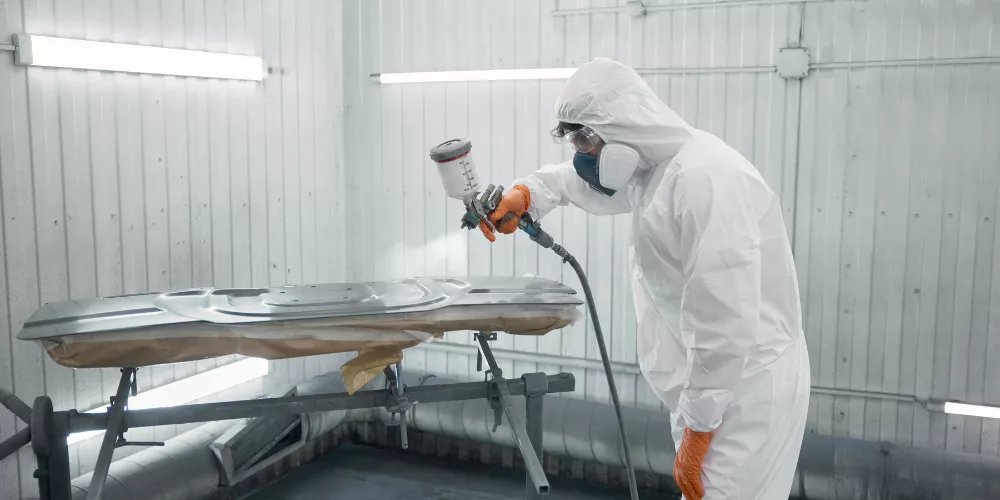
Spray paint fumes smell bad. They can also be harmful. The smell comes from VOCs that the paint lets off while drying. The compounds are acetone. They also include toluene, xylene, and benzene. Inhaling high levels of anything can be dangerous.
The U.S. Environmental Protection Agency (EPA) says indoor air is often dirtier. It can be two to five times worse than outdoor air. Spray painting without good ventilation makes the problem worse. It’s important to have fresh air. Understanding how to get spray paint smell out of your house starts with understanding why the smell forms and how long it can last.
In a small, stuffy space like a Manhattan studio, spray paint fumes can stick around. They can last for 24 to 72 hours.Act quickly with the right methods, and your home will return to normal faster.
1. Why Spray Paint Smell Is Dangerous — What Every Homeowner Must Know
Grasp the actual risk first. Next, we can explore solutions. Spray paint fumes smell unpleasant, and they are toxic too.
Spray paints let out VOCs while you use them and even after. Short exposure can lead to headaches. This can happen fast. It can also cause eye irritation, a sore throat, and dizziness. Long-term or high exposure can damage the liver and kidneys. It might also impact the nervous system.
The CPSC warns that kids and seniors are at risk.They are more at risk than others. Pets are also affected. Dogs and cats stay low to the ground, where heavy fumes tend to gather.
Common symptoms of spray paint fume exposure include:
- Headaches or migraines
- Nausea or vomiting
- Burning eyes, nose, or throat
- Dizziness or lightheadedness
- Shortness of breath
- Skin irritation
Oil-based spray paints are often more toxic. This is true compared to water-based or latex paints. “Low-VOC” and “zero-VOC” sprays can still cause discomfort. This is especially true in small spaces.
If someone at home has serious symptoms, get fresh air right away. This includes chest pain or trouble breathing. Call Poison Control at 1-800-222-1222. Do this right away.
As soon as you see fumes rising, take action. Don’t wait for the smell to “fade away.” It usually doesn’t vanish quickly indoors.
Try the ventilation steps below now — they make a big difference!
2. How To Get Spray Paint Smell Out Of House With Smart Ventilation
Ventilation is your best tool. Fresh air helps clear fumes fast. It works better than anything else.
As soon as you finish spray painting or smell something strong, open all the windows and doors in the room. Open your storm windows or screens, if you have them. The goal is to make a clear path for air. It should flow in from one side and out the other.
Here is a simple ventilation plan:
- Open windows on opposite sides of the room. This helps with cross-ventilation.
- Open interior doors to link rooms and boost airflow.
- If you can, open the front and back doors of your home.
- Use window fans to push out fume-filled air (see Section 5 for more on fans).
- Ventilate the area for at least 24 hours after spray painting.
OSHA states that proper ventilation is the best way to reduce paint fume exposure. This applies to both homes and workplaces.
In New York City apartments, cross-ventilation can be hard to achieve. If you have windows on just one side, put a fan facing out in that window. Keep other openings uncovered. This creates negative pressure. It pulls stale air out.
Don’t depend only on your HVAC system.Central air units move indoor air around. They only bring in fresh outside air if they have a fresh-air intake setting. Running your HVAC can spread fumes to other rooms.
Open your windows and turn on a fan. You’ll see the air clear in about an hour!
3. Simple Household Items That Absorb Spray Paint Odor Fast
No need to rush to the store.Many items in your home can soak up spray paint smells. They work better than you might think.
These natural odor absorbers trap VOCs in the air. They also neutralize them. Put them around the room, then let them work overnight.
Top household odor absorbers:
- Activated charcoal — Place bowls of activated charcoal around the room. It’s a strong odor absorber. You can get it at pet supply stores or on Amazon. For baking soda, pour it into shallow dishes and place them near the painted surface. Change it daily.
- White vinegar — Put small bowls of white vinegar around the room. The strong smell fades fast and takes other odors with it.
- Coffee grounds — Fresh or used coffee grounds absorb odors well. They also leave a nice coffee scent.
- Onions — Slice a raw onion and put it in a bowl of water. Onions have compounds that attach to paint VOCs. Yes, it’s true.
A study in the Indoor Air journal found that activated carbon, or charcoal, reduces VOC levels. It helps make the air cleaner. It works great indoors. It’s one of the best passive methods out there.
Put these absorbers on countertops. Place them on shelves, too. You can also put them on the floor near the painted area. Combine two or three for quicker results.
Replace each absorber every 24 to 48 hours until the smell is gone.
Put a bowl of baking soda and white vinegar out tonight. You might be surprised by morning!
4. Best Air Purifiers To Powerfully Remove Spray Paint Fumes
For faster, reliable results, an air purifier is worth it. Not all air purifiers remove VOCs. You need the right type.
Standard HEPA filters work well. They trap dust and particles effectively. VOCs are gases, not particles. To remove spray paint fumes, use an air purifier. It should have an activated carbon filter and HEPA filtration.
Top features to look for:
- True HEPA filter (captures particles as small as 0.3 microns)
- Activated carbon filter. It absorbs VOC gases.
- High CADR (Clean Air Delivery Rate) — aim for 200+ in average rooms.
- Auto mode with air quality sensor.
Recommended air purifier brands available in the USA:
- Levoit Core 400S — A top choice on Amazon. It features effective carbon filtration.
- Blueair Blue Pure 211+— Ideal for big spaces, offers superb airflow.
- Austin Air HealthMate— Tough carbon filter. Great for fumes.
- Winix 5500-2— Strong performance. Low cost.
Put the purifier in the room’s center if you can. Run it at high speed for the first few hours. Switch to medium for the next 24 hours.
The American Lung Association says HEPA air purifiers help lower indoor VOC levels. Carbon filters do the same. They clean the air. This helps you breathe easier. They recommend running purifiers continuously in rooms with fresh paint.
💡 Run your air purifier on the highest setting tonight for the fastest fume removal!
5. How To Use Fans the Right Way To Effectively Clear Fumes
Fans are cheap and fast. They are effective too. But you must use them the right way. A bad setup can spread fumes to other rooms.
The goal is to push fume-filled air OUT of the room and pull fresh air IN. This is called exhaust ventilation.
The right way to set up fans:
- Put a box fan or window fan in a window, facing out. This pushes air outside.
- Open a window across the room. This brings in fresh air. Keep the room door closed. This helps focus airflow in the painted area.
- Run the fan for 2 to 3 hours after painting. Keep it on continuously.
- Add another fan on the intake side. This will boost fresh air volume.
Fans to avoid during this process:
- Ceiling fans just move the same air around.
- HVAC return vents pull fumes into your duct system.
- Portable fans facing inward push fumes deeper into the room.
A 20-inch box fan in the window can help clear spray paint fumes. Set it to exhaust mode and keep your windows open. This works well in a New York brownstone, taking about 2 to 4 hours.
Box fans cost $20 to $50 at Home Depot or Walmart. They’re a smart buy for any DIY painter.
💡 Set up your exhaust fan before you start painting — prevention is easier than cure!
6. Natural Remedies That Quickly Neutralize Spray Paint Smell
In addition to the absorbers, some natural remedies can quickly get rid of the chemical odor. They work fast. These are good for follow-up care. Use them after your first ventilation.
Lemon water spray: Fill a spray bottle with water and a few tablespoons of lemon juice. Lightly mist the room’s air. The citric acid breaks down VOC molecules and adds a fresh scent.
Essential oil diffuser: Run a diffuser with eucalyptus, tea tree, or lavender oil. These oils have natural antimicrobial and odor-neutralizing properties.They don’t remove VOCs chemically. Instead, they mask any leftover smell while other methods do their job.
Vanilla extract: Soak cotton balls in pure vanilla extract. Place them around the room. Vanilla has a strong, pleasant scent that fights paint odor well.
Charcoal bags: These mesh bags contain bamboo activated charcoal. Moso Natural is a popular brand on Amazon. Hang them close to the painted area. They can work nonstop for as long as two years.
Beeswax candles: Beeswax candles differ from paraffin candles. When burned, they release negative ions. These ions connect with positively charged VOC particles and pull them to the ground. Use them carefully—never leave candles unattended near paint fumes.
A report from the National Candle Association says 100% beeswax candles clean the air. Synthetic candles can’t do this.
Use two or three of these natural remedies together for the best results. They are safe and usually affordable. You can find them at Target, Whole Foods, or online.
Use a lemon water spray with a charcoal bag — you’ll love the results!
7. How To Prevent Spray Paint Smell From Taking Over Your Home
The best move is prevention. A few simple steps before spraying can greatly cut down on fumes.
Archie M. Guerrero tells his clients in New York, “Prep before painting. It saves hours of clean-up later.”
Before you start spraying:
- Work outdoors whenever possible. Spraying on a balcony or rooftop is much better than doing it indoors, even in a city.
- Choose low-VOC or water-based spray paints. Brands like Rust-Oleum and Krylon have low-VOC formulas. They still have a smell, but it’s much less.
- Open all windows and doors before the first spray. Don’t wait until you’re finished.
- Put down plastic sheeting. It catches overspray. This makes cleanup easier.
- Wear an N95 respirator mask. It protects your lungs while you work.
- Spray in short bursts. Long sprays release fumes fast. Short sprays release them slow.
Picking the right paint is important:
| Paint Type | VOC Level | Fume Strength |
| Oil-based spray paint | Very High | Very Strong |
| Standard latex spray | Moderate | Moderate |
| Low-VOC spray paint | Low | Mild |
| Water-based spray | Low | Mild |
The EPA’s Design for the Environment program says to use water-based paints. They are good for indoor projects. They dry quickly, smell milder, and are easy to clean.
Prevention is easier than treatment. Take five minutes to prepare your space. You’ll save much more time airing it out later.
Try a low-VOC spray paint for your next project—your lungs will thank you!
8. When To Urgently Call a Professional for Serious Fume Exposure
Most spray paint smells are easy to handle at home. Sometimes, it gets serious. You may need professional help.
Know when to escalate. This can protect your health or save a life.
Call a professional or seek emergency help if:
- A person passes out after being exposed to fumes.
- A person feels short of breath or has tightness in the chest.
- The fumes caused a bad asthma attack.
- The smell lingers for 72 hours, even with full ventilation.
- You think the paint might have lead. This is common in homes built before 1978.
- The room is sealed. It has no ventilation options.
For bad odors in older New York homes, IAQ testers can help. They measure VOC levels with precise tools. Aeroquip and EnviroStar offer IAQ testing for homes. They operate all over the USA.
NIOSH says to get a certified industrial hygienist. They should look at any indoor space with fumes.
If you rent, call your landlord right away. In New York City, landlords have to keep the air indoors healthy. This is part of the Housing Maintenance Code.
Emergency contacts:
- Poison Control Center: 1-800-222-1222
- CDC Chemical Emergency Line: 770-488-7100
- Local fire department (for severe fume buildup)
Most situations won’t get this intense. But knowing where the line is gives you confidence and keeps your family safe.
When in doubt, get out and call for help — your health is always the priority!
Quick Summary
To get spray paint smell out of your house, act quickly and use the right tools. Open every window and door right away. Ventilation is the most important first step. Activated charcoal, baking soda, and white vinegar are natural absorbers. They pull fumes from the air. Carbon filter air purifiers work much faster. Prevention helps your home stay healthy and saves time. Choose low-VOC paints and work outdoors.
Key Points Covered:
- Spray paint fumes have VOCs. These can be harmful to breathe indoors.
- Open windows and exhaust fans are the fastest way to ventilate. They work quickly.
- Baking soda, charcoal, and white vinegar are good at absorbing odors. They are common household items.
- Air purifiers with activated carbon filters can take VOC gases out of the air.
- Prevention helps reduce fumes from the start. Use low-VOC paints, spray outdoors, and wear masks.
Frequently Asked Questions
Many people wonder how to remove the smell of spray paint from their homes. Fumes can be confusing. They can even be scary, especially for those who have never seen them before. Here are the main questions that homeowners in the USA ask. They want to know about spray paint smell, ventilation, and indoor air safety. Whether you just finished a project or are starting one, these answers will help. They will boost your confidence and make you feel ready.
How long does spray paint smell last in a house?
The smell of spray paint usually lasts 24 to 72 hours in a well-ventilated home. Oil-based spray paints take more time to off-gas than water-based ones. The smell can last for up to a week in small, stuffy areas. Using fans, air purifiers, and natural odor absorbers speeds up the process. To get spray paint smell out of your house quickly, act fast and ventilate well after painting.
Is spray paint smell harmful after it dries?
Yes, spray paint can still release fumes after it feels dry. The surface may seem dry, but VOCs keep off-gassing for hours or even days. This process is called “curing,” and it’s different from drying. During curing, your home’s air quality is still affected. Keep the ventilation on for at least 24 to 48 hours after the paint is completely dry to be safe.
What absorbs spray paint smell the fastest?
Activated charcoal absorbs spray paint smells fast. It’s the top natural choice. Put bowls of activated charcoal, baking soda, and white vinegar around the room. They work well together. An air purifier with an activated carbon filter works better. It is more effective. To get spray paint smell out of your house, combine ventilation, charcoal, and an air purifier. This method gives the fastest results.
Can I sleep in a room that smells like spray paint?
No, you should not sleep in a room with strong spray paint fumes. Breathing in VOCs overnight can cause problems. Even low levels can lead to headaches. They can also cause dizziness and nausea. If the smell is strong, sleep in a different room. Keep the window open. Run a fan in exhaust mode. Place charcoal or baking soda in the room overnight. Check the air quality in the morning before staying for a long time.
Does baking soda remove spray paint smell?
Yes, baking soda is a cheap and effective way to absorb spray paint odors. It neutralizes acidic VOCs in the air. Pour it into shallow dishes. Then, place them around the room. Change it daily. Baking soda alone can’t remove strong fumes. It works better with good ventilation. It also helps when you use absorbers like activated charcoal or white vinegar.
Conclusion
Knowing how to get spray paint smell out of your house is a skill every homeowner should have. Whether you live in a New York City apartment or a house in Ohio, spray paint projects are common. They are part of home improvement. The fumes are part of the deal, but they shouldn’t ruin your day or hurt your family.
Here are your three key takeaways from this guide:
First, act fast. As soon as you smell spray paint fumes, open the windows. Then, set up an exhaust fan. Start moving air now to make your home safe and comfy again.
Second, use what you have. Baking soda is cheap. White vinegar is safe. Activated charcoal is effective. All three work well. You don’t have to spend much to see results. Put a few bowls around the room before bed. They can make a big difference by morning.
Third, invest in prevention. Using low-VOC or water-based spray paint for your next project makes it easier. Rust-Oleum’s Painter’s Touch is at Home Depot. You can also find Krylon’s water-based line there. Both brands are available at Lowe’s across the USA. Choosing a different product can save you hours of cleanup time.
Archie M. Guerrero has done many home decoration projects. He has also worked on repair projects in New York. He often sees homeowners make a common mistake. They start indoor spray paint jobs without planning for ventilation. A bit of prep before you press the nozzle helps a lot.
Your home should feel fresh, safe, and comfy — not like a paint booth. Follow this guide to restore clean, breathable air quickly.
Did you find this guide helpful? Share it with a friend who enjoys DIY projects. Share your favorite tip for clearing paint fumes in the comments below! We’d love to know what works for you!