How Many Gallons Of Paint For Exterior Of House?

Ever been in a paint aisle at Home Depot or Lowe’s, unsure how many cans to take? You’re not alone. Every year, many American homeowners spend too much on paint. Some people buy too little. Then, they have to make extra trips to the store. Knowing How Many Gallons Of Paint For Exterior Of House? projects you need is very smart. It helps you plan ahead, so you won’t run out while painting.
I’m Archie M. Guerrero. I’m an expert in home decoration and repair based in New York, NY. I’ve helped many homeowners. They range from Brooklyn brownstones to Long Island Colonials. I show them how much paint they need. A bit of math now can save you big headaches later.
In this guide, I’ll share everything you need to know. Let’s discuss how to measure your home. We’ll explore what impacts your paint needs. We’ll also share tips for smart shopping to save money. This guide is for you, whether you’re painting a small ranch home in Ohio or a two-story Cape Cod in New England.
This post is part of our larger resource on home painting: Complete Guide to House Painting in Simple Terms. To fully understand the painting process, start with that guide. It will help you a lot.
Let’s get started.
Key Takeaways:
- Most average American homes need 5 to 15 gallons of exterior paint. This amount can vary based on the home’s size.
- Knowing how many gallons of paint you need for your house helps save money. It also cuts down on waste.
- Always measure the wall area. Do this before buying paint.
- Surface texture, paint type, and the number of coats all impact your paint needs.
- Buy 10–15% more paint. It’s a smart choice for touch-ups and missed spots.
How Many Gallons Of Paint For Exterior Of House?
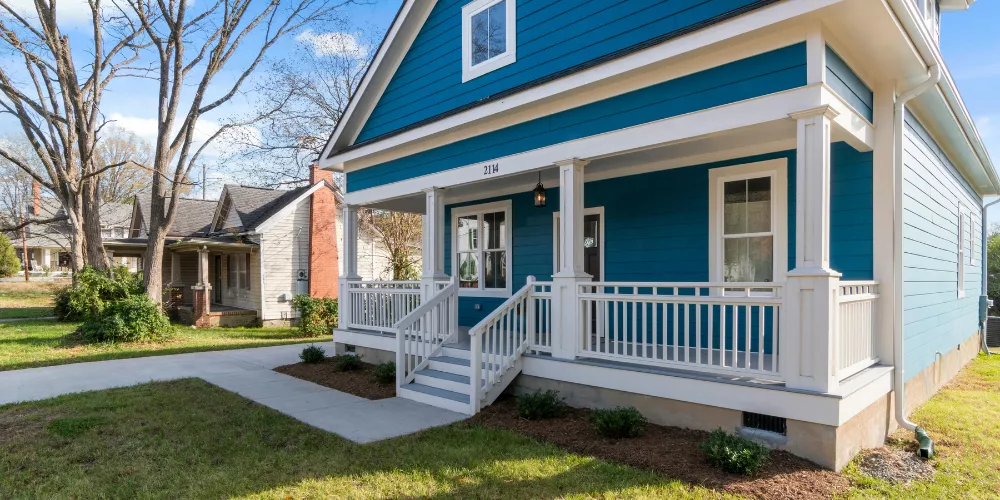
Finding out how many gallons of paint you need for your house is easy. It doesn’t have to be hard. One gallon of exterior paint covers about 350 to 400 square feet on a smooth surface. It’s that simple! Most American homes have walls that can be painted. These areas are usually between 1,000 and 3,000 square feet. You usually need 5 to 15 gallons for a complete exterior job.
That’s only the beginning. Rough surfaces, like stucco and brick, soak up more paint. Older homes with faded or peeling surfaces might need two or three coats. The color you’re painting over is important too. Dark colors need more coats when painting over a light base.
The Paint Quality Institute says people spend billions on outside repaints. Every year in the U.S., this occurs. Getting the right amount of paint the first time saves money and effort. The sections below will guide you through each factor. This way, you can buy with confidence.
How To Measure Your Home’s Exterior The Right Way
Before you buy cans, measure carefully. Start with the correct sizes. This step is key. It helps you find out how many gallons of paint you need for your house’s outside. Many homeowners skip this step and get the wrong amount.
Here’s how to measure right:
- Step 1: Measure each wall’s width and note it down.
- Step 2: Measure the height from the ground to the roofline.
- Step 3: Multiply width × height for each wall to get the square footage.
- Step 4: Add all wall square footages together.
- Step 5: Subtract windows and doors (about 20 sq ft per window, 21 sq ft per standard door).
A two-story Colonial in Connecticut has walls that measure 2,400 square feet. After taking out windows and doors, the paintable area is about 2,100 square feet. You’ll need about 5 to 6 gallons per coat, covering 400 sq ft each. Use a 25-foot measuring tape. For taller homes, use an online paint calculator. Sherwin-Williams and Benjamin Moore have great tools. They make this step simple.
Measure your home today before your next trip to the hardware store. You’ll be surprised at how much easier it makes shopping!
Essential Factors That Change How Much Paint You Need
Not all homes are the same, and neither are all paint jobs. Many factors decide how many gallons of paint you need. This is true for exterior house projects. If you ignore these, you might make costly mistakes.
Here are the most important factors:
- Surface texture: Smooth wood siding absorbs less paint than rough stucco or brick. Rough surfaces can reduce your coverage by 25 to 30%.
- Current wall condition: Porous, weathered, or bare wood absorbs paint fast. It usually needs a primer coat first.
- Number of coats: Most exterior jobs require two coats. A big color change, like white to dark red, might need three.
- Paint quality: Premium paints provide strong coverage. Sherwin-Williams Emerald is one of them. Benjamin Moore Aura is also a great choice. With these top brands, you may only need one coat.
- Climate and Temperature: High humidity is common in Southern states, like Florida. It can change how paint works. This affects both coverage and drying time.
Consumer Reports found that quality exterior paints last. They can last up to 10 years longer. Budget options wear out faster. This means more coverage and less fuel used over time.
If your home has old, chalky paint or bare wood, like in Queens or the Bronx, buy 20% more paint. This is more than your calculation suggests. Primer is your best friend here.
Check your walls closely before going to the store. A quick look today can save you a trip tomorrow!
How Many Gallons Of Paint For Exterior Of House By Home Size
One common question I hear is: “How much do I need for my home size?” Here’s a simple breakdown for typical American home sizes. These numbers are based on two coats and a smooth to medium surface texture.
| Home Size | Approx. Wall Area | Gallons Needed (2 coats) |
| Small (under 1,000 sq ft) | 800–1,000 sq ft | 4–6 gallons |
| Medium (1,000–2,000 sq ft) | 1,200–1,800 sq ft | 6–10 gallons |
| Large (2,000–3,000 sq ft) | 2,000–2,800 sq ft | 10–15 gallons |
| Very Large (3,000+ sq ft) | 3,000+ sq ft | 15–20+ gallons |
These numbers apply only to the main part of the house. Trim, doors, and shutters need separate calculations. We’ll cover that in the next section.
A typical 1,500 sq ft ranch home in the Midwest, such as those in Indiana or Illinois, needs 8 to 10 gallons. This amount is for a clean two-coat job. Always round up a little. It’s better to have one extra gallon than to run out while painting.
Begin with this chart. Adjust it based on the factors we talked about. If you’re unsure, just ask your local paint store associate. They handle these calculations daily.
How To Calculate Paint For Trim, Doors, And Windows
Homeowners often forget trim, doors, and shutters. These parts matter. They affect how much paint you need for outside jobs. This is an error. These areas add up fast. They often need a different paint, like semi-gloss or gloss, instead of flat or satin.
Here’s how to estimate trim paint:
- Window trim: Use about 1 quart for every 5 to 6 windows.
- Doors: A standard front door needs about 1 quart for each coat. Fascia boards and soffits: These flat surfaces at the roofline can add up to 200–400 sq ft on a medium-sized home.
- Shutters: Budget about 1 quart per pair of shutters.
For a medium-sized American home, you have 10 windows and 2 doors. You will usually need 2 to 3 extra gallons of trim paint.
Behr and Valspar make special paints for outdoor trim. These paints dry tough. They also resist chipping. They are worth the small extra cost. In New York, I often suggest using semi-gloss trim paint for homes with wood shutters. It lasts longer in rain and humidity.
Don’t forget your trim! A new coat can make your whole house feel finished and polished.
Best Paint Types For Exterior Surfaces
Choosing the right paint type is key. It’s just as important as knowing how many gallons you need for your house’s exterior. Using the wrong paint can lead to peeling, fading, or bubbling within a year. This wastes both time and money.
Main Types of Exterior Paint:
- Acrylic latex paint: The top choice for American homes. It’s flexible, water-resistant, and easy to clean. It works on wood, vinyl, stucco, and more.
- Oil-based paint: More durable on metal and aged wood. It dries slowly but forms a harder finish.
- Elastomeric paint: Great for stucco and masonry. It expands to fill small cracks and resists weather well. It’s popular in the Southwest and Florida.
- Solid color stain: A great option for wood siding. It absorbs into the surface, so it won’t peel.
Acrylic latex exterior paints are over 80% of exterior paint sales in the USA. This information is from the American Coatings Association. They thrive in almost any climate and region.
Here are some great brands to check out:
- Sherwin-Williams Duration
- Benjamin Moore Aura Exterior
- Behr Marquee Exterior
All three give great coverage in just one coat. This can reduce the total gallons needed. Choose the right paint for your surface to get great results. Your home will appreciate it for years!
Smart Tips To Buy The Right Amount Of Paint
You now know how to figure out how much paint your house needs. Let’s discuss smart buying tips. Here are simple ways to save money and reduce stress.
Here are my best tips for buying:
- Always buy 10–15% extra. This takes care of missed spots. It includes touch-ups and future repairs as well.
- Stick to one batch number. Paint colors can change a bit between batches. So, buy all your gallons at once from the same batch.
- Check return policies. Home Depot and Lowe’s take back unused, unopened paint. So, buying a little extra is a low-risk choice.
- Use paint calculators. Sherwin-Williams has a free calculator online. You can use it anytime. Benjamin Moore also has them. You can find both on their websites.
- Ask about contractor discounts. Many stores offer 10–15% off when you purchase 5 gallons or more.
A useful tip for my New York clients: buy one test quart first and apply a sample patch. Check it in the morning light. Also, check it in the evening light. Do this before buying full gallons. This stops color regret.
Buy paint when it’s on sale. You’ll save money. Memorial Day and Labor Day weekends often have big sales. You can find 30–40% off at major paint stores across the country.Plan ahead at the store to save money. It also reduces frustration later!
Common Mistakes Homeowners Make When Buying Exterior Paint
Even good homeowners can have trouble choosing paint. It’s not always easy. Avoiding these mistakes early helps you stay on track. It keeps you focused. When calculating paint for exterior jobs, be careful. Here are common mistakes to avoid:
Top mistakes to avoid:
- Not measuring first. Guessing your square footage gives the wrong number. Always measure it for accuracy.
- Forgetting second coats. If you plan for one coat but need two, you’ll run out during the project.
- Ignoring surface prep. Unprepared surfaces take in more paint. Always clean, sand, and prime them as needed.
- Buying the cheapest option. Budget paints often need three coats, whereas premium paints usually need only two. As a result, the savings aren’t real.
- Not accounting for trim. As mentioned before, trim and detail areas need an extra 2–3 gallons.
- Mixing leftover paint from different batches. This causes clear color mismatches. You can see them well in sunlight.
A survey by the National Paint and Coatings Association found that 40% of DIY painters in the USA ran out of paint. This issue affects many people, often at least once in their projects. It’s a common problem, but it’s simple to avoid.
Learn from these mistakes. You’ll finish your painting project without extra store runs.
How To Stretch Your Paint Budget Without Cutting Corners
A full exterior paint job can cost between $300 and over $1,000 for materials. If you’re on a budget, you can cut costs smartly without losing quality.
This doesn’t mean buying cheap paint; it means being smart.
Here’s how to maximize your paint budget:
- Use a quality primer first. Primer seals surfaces and minimizes the number of topcoats needed. Often, one coat of primer with one topcoat is more effective than using two topcoats on bare wood.
- Choose light or similar colors. Going from beige to light gray needs fewer coats than going from white to navy blue. Fewer coats mean fewer gallons.
- Rent a paint sprayer. A sprayer applies paint more evenly and wastes less than a roller or brush. You can rent them at Home Depot and Lowe’s for about $40 to $60 per day.
- Buy 5-gallon buckets. Five-gallon containers are often cheaper. They cost less per gallon than one-gallon cans.
- Plan your project in fall or spring. Mild weather means fewer coats are needed. This is because paint sticks better and dries faster.
In New York, I often tell my clients that spending $50 on primer can save $150 on topcoat paint. This isn’t cutting corners—it’s smart painting.
Plan ahead. You can get a beautiful exterior finish. Best of all, it won’t break your budget!
Quick Summary:
To find out how many gallons of paint you need for outside projects, first measure your walls. Next, think about the surface type. Finally, count how many coats you will apply. Most American homes, sized 1,000 to 3,000 sq ft, need 6 to 15 gallons for a full two-coat exterior job.
Key Points Covered:
- One gallon of exterior paint covers around 350 to 400 square feet. This is on smooth surfaces.
- Home size matters. So does surface texture. The number of coats also affects how many gallons you need.
- Always add 2–3 gallons for trim, doors, and shutters. This is in addition to your main body calculation.
- Premium paints cover more. You may need less paint overall.
- Buy an extra 10–15%. This helps with touch-ups and color mismatches.
Frequently Asked Questions
Got questions about how many gallons of paint you need? This is for your house’s exterior. You’re not by yourself. Here are questions homeowners in the USA have about outside paint jobs. These answers are simple and helpful. They come from real-life experience.
How many gallons of paint for exterior of house do I need for a 2,000 sq ft home?
For a 2,000 sq ft home, you usually need 10 to 12 gallons. This amount covers two coats on the main body. This assumes a smooth to medium surface texture. It also covers 400 sq ft per gallon. Add 2 to 3 more gallons for the trim, shutters, and doors. If your home has rough stucco or worn wood siding, plan for about 14 gallons. Buy 10% extra for touch-ups. Sherwin-Williams Duration and Behr Marquee can help use fewer gallons. They cover more area with less paint.
How many gallons of paint do I need for the exterior of a small house?
A small home under 1,000 sq ft usually needs 4 to 6 gallons of paint. This is for two coats of exterior paint. This covers a paintable wall area of about 800 to 1,000 square feet. This measurement is after subtracting windows and doors. If the surface is rough or the color change is big, use 7 or 8 gallons to be safe.Add a quart or two for trim. Small homes are the easiest to measure. Always measure first before you buy.
Does exterior paint need two coats?
Yes, most exterior paint needs two coats. One coat often doesn’t give enough coverage. This is especially true for bare wood, dark colors, or weathered surfaces. Two coats add depth to the color. They also protect better against UV rays. Plus, they create a finish that lasts longer. Some premium paints, like Benjamin Moore Aura, say they cover in one coat. But you should use a second coat for full protection. Always plan for two coats. This helps you know how many gallons of paint you need for the outside of your house.
How do I calculate the square footage of my house exterior?
Measure each wall’s width and height. Then, multiply those two numbers for each wall. Finally, add all the totals together. Subtract about 20 square feet for each window and 21 square feet for each door. If your walls are 2,500 sq ft and you have 10 windows and 2 doors, your paintable area is 2,500 minus 242. That gives you about 2,258 sq ft. Next, divide that by 350–400. This will tell you how many gallons to buy. Free tools from Sherwin-Williams and Benjamin Moore online make this calculation even faster.
What happens if I buy too little exterior paint?
Running out of paint during a project is a common mistake. It’s also frustrating. If you run out of paint, buying more can be risky. You might get paint from a different batch, and it may not match in color or sheen. This can leave clear spots on the outside of your home. You might need to repaint some areas for a consistent look. Buy 10–15% more than you calculated. The small extra cost now saves you time and money later. Fixing color mismatches can be much more expensive.
Conclusion
You have what you need. Now, how many gallons of paint do you need for your house’s outside? It starts with a simple measurement. Next, it looks at your surface type. It also checks paint quality and the number of coats. Don’t forget the trim and detail areas that many people miss.
Here are the three key takeaways from this guide:. First, measure your walls before heading to the store. Guessing often means buying too much or too little. Plan for two coats as a baseline. Use three coats if you’re making a big color change or painting over a rough surface. Invest in good paint. Sherwin-Williams, Benjamin Moore, and Behr Marquee offer great coverage. This lets you use fewer gallons later on.
Picture a two-story house. It’s in the suburbs of Chicago, Illinois. It could have 2,200 square feet of wall area that you can paint. You’ll need about 11 gallons for the main body with two coats at 400 sq ft per gallon. Also, add 3 gallons for the trim. Buying 14 gallons will cover the job well. You’ll have some left for touch-ups.
I’ve worked on many homes in New York and the Northeast. I can say that checking costs before you buy is the best way to ensure your exterior paint job goes smoothly. It saves money, time, and extra trips to the hardware store.
Now it’s your turn! Grab a measuring tape. Walk around your home. Use this guide to find out what you need. If you found this helpful, share it with a neighbor. You can also bookmark it for your next project. Leave a comment below with your home size, and I’ll help you figure out how much paint you need.