How Many Coats of Paint on Exterior of House?

Have you ever looked at your home? Do you see the peeling, dull, faded paint? You are not alone. Millions of American homeowners ask the same question every year: how many coats of paint on exterior of house do I actually need?
Get it wrong, and you waste money and time. Get it right, and your home looks fresh and stays protected for years.
Archie M. Guerrero often hears this question. He is a Home Decoration & Repair Specialist in New York, NY. He helps many homeowners. He makes sure their exterior painting is done right the first time. If you’re repainting a colonial in New England, or a ranch home in Texas, the rules are the same.
In this guide, you’ll find out how many coats your exterior needs. You’ll learn when to use primer, which paint types are best, and what mistakes to avoid. We’ll explore different surfaces, including wood, stucco, and brick. We’ll keep it simple and clear—no confusing jargon involved.
By the end of this post, you’ll feel ready to visit your local Home Depot or Sherwin-Williams. You’ll know what to buy and how to use it.
This post is part of the Complete Guide to House Painting in Simple Terms — your go-to resource for everything related to painting your home inside and out.
Let’s get started.
Key Takeaways:
- Most homes need 2 coats of paint on the outside for a strong, smooth finish.
- The number of paint coats on your house’s outside depends on a few things. These include the surface condition, the color, and the type of paint.
- Always use a primer on bare wood. Also, use it on new siding. It’s important when changing to a very different color.
- Skipping coats saves time now, but it causes faster peeling and fading. This can lead to costly repaints later.
- Good paints from Sherwin-Williams or Benjamin Moore need fewer coats. This saves time and effort.
How Many Coats of Paint on Exterior of House?
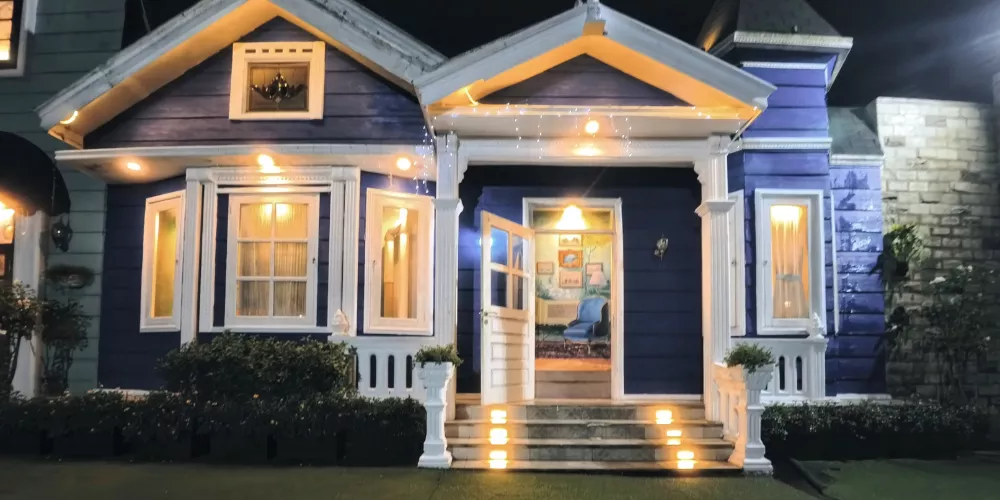
How many coats of paint do you need for a house’s exterior? The short answer is two coats. Usually, that’s about right. Two coats give you full coverage. They are colorful. They shield you from rain, wind, UV rays, and temperature shifts.
But that’s not the full picture. One coat is sometimes enough. Sometimes, you might need three. It depends on a few key things. First, check the surface condition. Next, choose the right paint type. Finally, decide if you need a primer.
The Paint Quality Institute says two coats of quality exterior paint last 8 to 10 years. This is true for most surfaces. It matters when you consider the time, effort, and money needed to repaint a home.
If you’re painting a two-story house in Ohio or a beach bungalow in Florida, you need to get the coat count right. It’s important. It guards your investment and keeps your home looking nice for years.
Why the Right Number of Coats Truly Matters for Your Home
Many homeowners believe one coat is enough. It saves time and money, right? Not quite.
Not applying enough coats makes your siding at risk. UV rays quickly damage thin layers of paint. Rain seeps into bare or under-painted wood, causing rot. In cities like Chicago and New York, the weather changes often. Extreme weather can quickly hurt under-coated exteriors. It can cause damage fast.
Using too many coats wastes materials. It’s not effective. Thick paint layers can crack or peel faster. This happens because they don’t flex with the surface when temperatures change.
Here’s why the right number of coats matters:
- Protection: Two full coats protect against moisture. They also guard against UV damage and mold.
- Appearance: A single coat can show brush marks. You might see thin spots or uneven color.
- Durability: Coated surfaces can last 8–12 years before a repaint is needed.
- Cost savings: Doing it right the first time saves hundreds. This cuts down on early repairs.
A 2022 survey by Consumer Reports found that homeowners who skipped a second coat had paint problems. Many had issues because of this. Many encountered these issues in only 3 to 4 years. This is about half of the expected lifespan.
Try doing it right the first time and see how much longer your paint job lasts!
When you know why coat count matters, you can make better choices. This will help your home.
Key Factors That Decide How Many Coats You Actually Need
Every home is unique. The number of paint coats on your house’s outside depends on a few key factors. Knowing these tips helps you plan well and save paint.
Here are the key factors to think about:
- Surface condition: New, bare, or raw surfaces soak up more paint. They typically need extra coats.
- Previous paint color: Switching from dark to light may need 2–3 coats. The same goes for light to dark. This ensures solid coverage.
- Paint Quality: Premium paints, like Sherwin-Williams Emerald and Benjamin Moore Aura, cover well. They are top picks. They usually need just 2 coats. Budget paints might require 3.
- Paint type: Thicker paints, like elastomeric, cover well. Thinner paints need extra coats.
- Surface texture: Rough surfaces, like stucco or old brick, absorb more paint. Smooth wood siding soaks up less paint.
- Weather and Climate: Homes in humid areas, like Houston or Miami, may need an extra coat. This extra coat protects against moisture.
- Primer Use: Priming cuts down the number of topcoats needed. It does this by sealing the surface first.
A smooth-sided New England colonial in the same color may need only 1 to 2 coats. But a rough stucco home in Arizona changing from beige to dark navy?Plan for at least 3 coats.
Archie often advises his New York clients: “Don’t guess. Assess your surface first, then decide on coat count.”
Does Your Exterior Always Need Primer First?
Primer can be confusing in exterior painting. Homeowners often skip it to save money. In many cases, primer is the most important step you can take.
When you MUST use primer:
- Painting bare, raw, or new wood siding
- After sanding or stripping old paint,
- To cover water stains or tannin bleed, which often happen with cedar or redwood,
- When you make a big color change (especially from dark to light)On chalky or porous surfaces
When primer is optional:
- Repainting over the same color with the same paint type
- Using a paint-and-primer-in-one product on a well-prepared surface
- Touching up small areas that match existing paint
A good primer, like Zinsser Bulls Eye 1-2-3 or Kilz Premium, seals the surface well. It helps the topcoat stick better and last longer. One coat of primer usually cuts the topcoats needed from 3 to 2.
Bob Vila, a home expert, says not to skip primer on bare wood. It’s one of the five biggest mistakes homeowners make when painting.
Don’t skip the primer — it’s the foundation of a great paint job!
After priming, let the surface dry completely. This helps you get the best result before applying your first topcoat.
How Many Coats of Paint on Different Exterior Surfaces
Surfaces act in unique ways when painted. Here’s what each surface type usually needs:
Wood Siding: Wood is porous and absorbs paint well. New or bare wood requires one coat of primer and two coats of paint. Previously painted wood in good condition usually needs just two topcoats.
Stucco: Stucco is rough and very absorbent. It usually needs 2 to 3 coats of paintElastomeric paint fills small cracks. It also lowers the number of coats needed.
Brick: Brick is tricky. It’s porous, and the mortar absorbs paint differently than the brick. Use two coats of masonry-specific paint. Always start with a masonry primer.
Vinyl Siding: Vinyl is smooth and non-porous. Usually, two coats of latex paint made for vinyl are enough. First, clean it thoroughly.
Fiber Cement (like Hardie Plank): This material is found in many American suburbs. It comes ready to paint from the factory. Usually, two topcoats are enough.
Aluminum Siding: First, apply a bonding primer to the aluminum. Then, add 2 coats of exterior latex paint.
Here’s a quick reference table:
| Surface | Primer Needed? | Coats of Paint |
| Wood (bare) | Yes | 2–3 |
| Wood (repaint) | Sometimes | 2 |
| Stucco | Yes | 2–3 |
| Brick | Yes (masonry) | 2 |
| Vinyl | No | 2 |
| Fiber Cement | Usually pre-primed | 2 |
| Aluminum | Yes (bonding) | 2 |
No matter the surface, many say you need two coats of good paint for the outside of your home.
Best Exterior Paint Types and How They Affect Coat Count
The paint you pick affects how many coats you’ll need. Not all paints are the same. Here’s what you should know.
Latex (Water-Based) Paint: This is the top choice for exterior painting in the USA. It dries quickly, cleans up easily, and stands strong against UV rays and moisture. Most quality latex paints need 2 coats for good coverage. Top-rated options include Sherwin-Williams Duration and Benjamin Moore Aura Exterior.
Oil-Based Paint: Oil-based paint is more durable but takes longer to dry. It’s great for trim and doors but less common for full exterior walls today. It usually requires 2 coats and good ventilation.
Elastomeric Paint: Elastomeric paint is thick and flexible. It works well on stucco, concrete, and masonry. It bridges small cracks and offers waterproofing. One coat of elastomeric paint often equals two coats of standard paint.
Paint-and-Primer-in-One: These products mix primer and paint. They work well on surfaces that are in good shape. However, they don’t replace a dedicated primer for bare or very porous surfaces. On prepared surfaces, two coats often work well.
Key tips for choosing paint:
- Always choose exterior-grade paint. Interior paint won’t last outside.
- Check the coverage rate — good paints cover 350–400 sq ft per gallon. Match the sheen to your surface — flat for rough stucco, satin or semi-gloss for trim.
Picking a premium paint brand ensures your two-coat job lasts more than 10 years, not just 5. That’s significant savings over time.
How Many Coats of Paint on Exterior of House When Changing Colors
Changing your home’s exterior color is fun! Many people don’t realize how many coats they need. They often underestimate it.
The problem with color changes is coverage. It’s hard to get full coverage.If you’re moving from dark brown to light gray, the old color can show through the new paint. This is known as “color bleed.” You might notice it even after two coats.
Here’s what Archie suggests for color changes:
Dark to Light:
- Always use a tinted primer that matches your new color.
- Plan for 2 to 3 coats of topcoat paint.
- Test a small section first before committing to the whole house.
Light to Dark:
- Usually, it’s easier to cover. Two coats of topcoat are often enough.
- A tinted primer helps deepen the color more quickly.
Dramatic Color Changes (Any Direction):
- Use a high-hide primer for color changes.
- Sherwin-Williams has primers for big color changes. They make it easy to switch colors.
- Expect a total of 3 coats: 1 primer and 2 topcoats in most cases.
This Old House says a tinted primer helps when changing exterior colors. It can reduce the topcoats needed by one. It saves time and money.
Here are some color-change examples:
- White house to dark navy — 1 primer + 2 topcoats.
- Gray house to white — 1 high-hide primer + 2–3 topcoats.
- Beige to dark green:
- 1 tinted primer
- 2 topcoats
Pick your new color, grab a tinted primer, and you’ll save yourself a full extra coat!
Common Mistakes Homeowners Make With Exterior Paint Coats
Even expert DIYers can mess up outside painting. Mistakes happen. Avoiding mistakes helps you save time. It also saves money and reduces frustration.
Here are the common mistakes Archie spots in New York and beyond:
1. Applying the second coat too soon. If the first coat isn’t completely dry, the second coat can trap moisture. This leads to bubbling, peeling, and uneven texture. Always follow the manufacturer’s dry time instructions.
2. Skipping surface prep. Painting over dirty, chalky, or peeling surfaces leads to early paint failure. Always clean, scrape, sand, and prime before applying any topcoat.
3. Using interior paint outside. Interior paint can’t handle UV light, temperature changes, or moisture. It fades and peels within a year.
4. Assuming one coat is enough. One coat rarely covers well. It looks uneven and wears out twice as fast as two coats.
5. Not checking the weather. Never paint in the rain, extreme heat (above 90°F), or when temperatures will drop below 50°F within 24 hours. Humidity over 85% can also cause paint to fail.
6. Buying cheap paint to save money. Budget paints are thinner. They require more coats and wear out faster. A gallon of Benjamin Moore Aura costs more initially but saves money over time.
7. Skipping caulking. Gaps around windows, doors, and trim can let moisture in. Be sure to caulk before you paint.
Avoiding these mistakes gives you an edge over most DIY painters. It also makes sure your coat count works as it should.
How Long to Wait Between Coats of Exterior Paint
Timing matters for exterior painting. Rushing between coats can easily ruin a perfect job.
General wait times:
- Latex/Water-based paint: Wait at least 4–6 hours between coats. In humid or cool weather, wait 24 hours for safety.
- Oil-based paint: Wait at least 24 hours between coats. Sometimes, 48 hours is best.
- Primer to topcoat: Most primers need –4 ho1urs to dry. Wait this long before applying the first topcoat.
Check the label on your paint can. Dry time can vary by brand and formula.
Tips for Timing Your Coats Correctly:
- Paint the first coat in the morning. Apply the second coat in the afternoon or the next day.
- Check if bare wood is dry enough to paint by using a moisture meter. It should have below 15% moisture content.
- In humid areas like Florida or Louisiana, give coats more drying time. Always add extra time between each coat.
- Lightly touch the painted surface. If it feels tacky, it’s not ready for the next coat.
Archie’s rule of thumb: “When in doubt, wait it out.” An extra few hours of drying time is far cheaper than redoing a bad paint job.
Pro Tips for Getting a Perfect Finish Every Time
Now that you know how many coats of paint your house needs, here are Archie’s top tips for a smooth job.
1. Always start with a clean surface. Use a pressure washer or a hose with a scrub brush. First, wash away all dirt, mildew, and loose paint.
2. Use the right tools.
- Use a 4-inch brush for trim and edges.
- Use a 3/4-inch nap roller for rough surfaces.
- Use a 1/2-inch nap roller for smooth siding.
- Consider an airless paint sprayer for large, flat surfaces.
3. Paint in the shade when possible. Direct sunlight makes paint dry too fast. This results in lap marks and an uneven finish.
4. Work top to bottom. Always paint from the highest point of your home downward. This way, you catch drips before they dry on finished areas.
5. Back-brush when spraying. If you use a sprayer, follow up right away with a brush or roller. This helps the paint stick better to the surface.
6. Keep a wet edge. Don’t let one section dry while you work on the next. Overlap your strokes while the paint is wet. This helps avoid visible lines.
7.Inspect between coats. Check for missed spots, thin areas, or texture issues after the first coat dries. Fix these before applying the second coat.
These simple pro habits can really boost your exterior paint’s look. They also help it last longer.
Quick Summary
The number of paint coats your house needs depends on several things. These include the surface type, paint quality, color change, and prep work. Most homes need 2 coats of exterior paint. Use primer where needed. This is the gold standard. Going one coat short can cause early failure. Applying too many thick coats leads to cracking issues.
Key Points Covered:
- Most homes need 2 coats of exterior paint. Apply primer on bare surfaces. It’s crucial for porous materials too. Use it when frequently changing colors.
- The surface type is important.Wood, stucco, brick, and vinyl need different types of coats. Each material influences how many coats you’ll need.
- Sherwin-Williams and Benjamin Moore are premium paint brands. They cover well. They need fewer coats.
- Waiting the right time between coats is just as important. It matters as much as how many coats you put on.
Frequently Asked Questions
Got questions about how many coats of paint your house needs? You’re not alone. Here are the top questions homeowners in the USA ask before painting outside. These answers come from real-world experience. They also rely on trusted industry knowledge. So, you can paint with confidence.
How many coats of paint on exterior of house do most professionals recommend?
Most pro painters recommend 2 coats of exterior paint. This is best for regular repaints. If you’re painting bare wood, new siding, or changing colors, use 1 coat of primer. Apply 2 coats of topcoat. Premium paints, like Sherwin-Williams Duration and Benjamin Moore Aura, cover well. You only need 2 coats. For rough or porous surfaces like stucco or brick, you may need 3 coats. This ensures complete protection and an even color.
Is one coat of exterior paint ever enough?
One coat of exterior paint is seldom enough. It may seem fine at first, but it will fade, peel, and wear away much faster than two coats. The only time one coat might work is for a minor touch-up using the same paint and color. For a full repaint or color change, use at least 2 coats of paint. This helps cover the exterior well. It also makes the paint last longer.
How long does exterior paint last with two coats?
Two coats of good exterior paint can last 8–12 years in most climates. Homes in tough climates, like the humid Gulf Coast or cold Midwest, may see paint fade or crack faster. Doing good prep work helps a lot. A good primer is important, too. Using top paint brands can really make your paint job last longer. Cleaning and touch-ups help keep the finish looking good for longer.
Do I need a primer before painting the exterior of my house?
You need primer in some cases:
- When painting bare or raw wood
- To cover water stains
- If you switch to a lighter color
- When painting over chalky old paint
If your surface is in good shape, you may only need a paint-and-primer-in-one product. This works well if you use the same color. For the best results, use a dedicated primer. This is key for older homes or unpainted surfaces. Zinsser Bulls Eye and Kilz Premium are smart choices.
What happens if I apply too many coats of exterior paint?
Too many coats of exterior paint can make the film thick. This thick layer is less flexible. It’s more likely to crack, peel, or bubble when temperatures change. It can trap moisture below the surface. Two solid coats on a well-primed surface always beat three or four thin, hasty coats. Follow the suggested coat count. Let each layer dry completely before applying the next one.
Conclusion
How many coats of paint do you need for your house’s exterior? In most cases, you need **two coats**. Use a primer if your surface needs it. This mix offers a strong, lovely finish that shields your home for ten years or longer.
Here are three main points to remember:
- Always prep your surface first. Clean, scrape, caulk, and prime first. Then apply the topcoat.
- Choose quality over quantity. Two coats of premium paint always outshine three coats of cheap paint.
- Wait between coats. Waiting between coats makes a paint job last longer. Without patience, it might fail in just two years.
Imagine a homeowner in suburban New Jersey. They hurried through a one-coat paint job on a Saturday afternoon. In two years, the paint started peeling off the south wall. Archie’s two-coat method worked well. I used a good primer. The siding lasted over ten years.
That’s the strength of doing it well.
Painting a craftsman bungalow in Portland is like painting a brick colonial in Connecticut. Both styles have their own charm. Both styles are different. Each has its own charm. Both require care and skill. Both jobs are alike. The process is the same. Plan your coats. Prep your surface. Choose the right paint. And take your time.
Your home is probably your biggest investment. A good exterior paint job protects it, improves curb appeal, and adds value. Don’t skimp on the number of coats.
Ready to begin? Take a walk around your home today and check the exterior paint. Is it fading? Peeling? Chalky? If yes, then it’s time to plan your repaint. Bookmark this guide. Share it with a neighbor planning a paint project. Or leave a comment below with your biggest exterior painting question. We’d love to help!
For more expert guidance, visit the Complete Guide to House Painting in Simple Terms — your go-to resource for every painting project, inside and out.