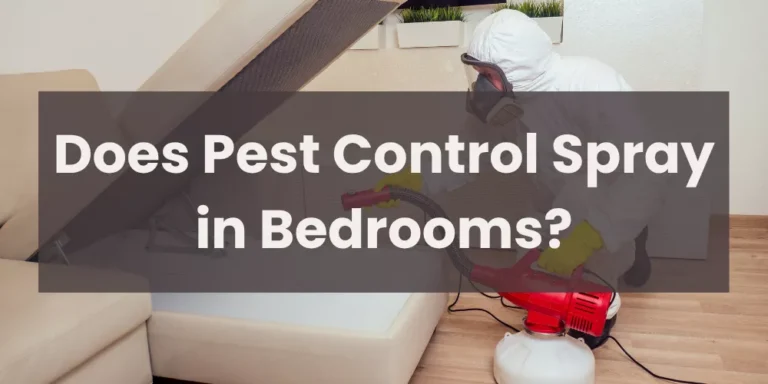

Do I Need Bug Care For a New House?

Do you see ants on your kitchen counter? Do you hear scratching in your walls at night? That is a bad feeling. A bug problem makes you feel unsafe.
Most home buyers ask one big question. Do I need bug care for a new house? People ask this in New York. People ask this all across the USA.
The truth is simple. Bug care is not a one-time job. It is an ongoing chore. You change the oil in your car. You fix your home heater. Your home needs regular bug care too. Bugs do not take a day off. Your plan should not stop either.
Are you new to home bug care? Read our big guide. It is the Complete Pest Control Guide. It teaches you everything. It helps you find common house bugs. It helps you pick the right plan. This post is part of that guide. It answers one big question. Do I need bug care for a new house?
This guide teaches you everything you need. You will learn when to get treatments. You will learn what changes your schedule. You will learn how to protect your walls. We cover the basement to the attic.
You might own a townhouse in Brooklyn. You might own a home in New Jersey. This guide is for you. Soon you will have a clear plan. It will keep bugs out for good.
Key Takeaways
- Yes, you need bug care. Even brand-new homes have bugs inside.
- Work sites attract pests. Termites, ants, and mice move in during building.
- Get a check before you move. It saves you thousands of dollars later.
- Early care is cheap. It costs less than fixing a big bug problem.
- Set up a regular schedule. It keeps your new home safe all year.
Do I Need Bug Care For a New House?

The short answer is yes. You must get bug care for a new house. Many buyers think a new home has no bugs. That thought is a costly mistake.
New homes sit on fresh land. Insects, mice, and wild animals lived there first. Building a house disturbs that land. The bugs do not run away. They just move. Your shiny new home becomes their best choice.
Bug Facts by Region
The University of Florida made a study. They look at food and agricultural sciences. They found termites in nearly every state. Look at the data below:
RegionBug Risk LevelMain Bug ThreatsSouthern USA (Texas, Florida, Georgia)Very HighTermites, Fire AntsNortheast USA (New York, New Jersey)HighCarpenter Ants, Mice
New buildings in the South face high termite pressure. This happens a lot in Florida, Georgia, and Texas.
Your home might pass a basic building check. But that check does not look for bugs. You need a real bug check. You need a preventive treatment. Think of it as a shield. It protects your biggest investment.
Why New Homes Have Bugs
Many buyers think a new home is perfectly clean. But new construction helps bugs thrive.
Builders store wood outside for weeks. That wood attracts termites. It attracts carpenter ants. Concrete slabs have tiny gaps. Foundation gaps give mice an easy entry point.
Rain makes standing water during construction. This water draws mosquitoes. Insulation and empty walls are cozy spots. Mice and roaches love those spaces.
Top 5 Reasons New Homes Attract Bugs
- Disturbed soil: Digging pushes bugs out of their old homes.
- Stored building tools: Lumber, cardboard, and insulation attract bugs.
- Landscaping: Mulch, soil, and plants near walls invite ants.
- Open entry points: Gaps stay open before doors get seals.
- Poor drainage: Pools of water draw bugs that love wet spots.
Orkin is a top bug care company in the USA. They say termites are the number one pest. Ants are the number two pest. Both love new buildings.
Archie M. Guerrero works in New York. He sees this first-hand in Brooklyn and Queens. New homes get ant problems within months. The issue starts during construction.
Take action today: Talk to your builder. Ask for a pre-construction termite treatment. It is the cheapest step you can take.
You must know what bugs live near you. Learn about your enemy before you move.
The Most Dangerous Bugs in New Buildings
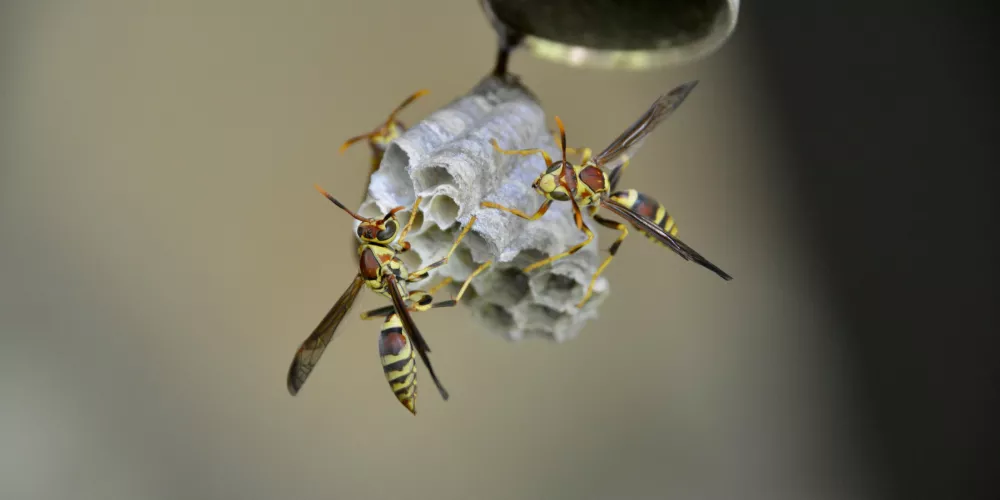
Some bugs are just annoying. Other bugs destroy your home. A few specific bugs pose the biggest threat to new builds.
1. Termites
Termites are the most scary bug for any owner. They eat wood. They eat drywall and insulation. They work silently. You will notice them too late. They cause major damage. Subterranean termites live in soil. They travel underground. This makes them very common in new builds.
2. Carpenter Ants
Carpenter ants do not eat wood. But they tunnel through it. They do this to build nests. New homes have damp wood. They have untreated wood. This makes them easy targets for ants.
3. Mice and Rats
Mice and rats want warm spots. They want safe places to nest. A house under construction is perfect. They get inside the walls. Then they are hard to remove. You will need expert help.
4. Cockroaches
Roaches enter through tiny gaps. They use plumbing lines. They use utility lines. New homes have small open spots. Pipes and wires enter through these holes. Roaches find them fast.
5. Subterranean Ants and Fire Ants
Fire ants are a big worry in the Southern USA. This happens in Alabama, Mississippi, and Texas. They nest under concrete slabs. They nest under foundations. This causes bad safety issues. It hurts the structure of your home.
Here’s a quick breakdown of the top pests in new homes and their risk level:
| Pest | Risk Level | Damage Type |
| Termites | Very High | Structural wood damage |
| Carpenter Ants | High | Wood tunneling |
| Mice/Rats | High | Wiring, insulation, health |
| Cockroaches | Medium | Food contamination, disease |
| Fire Ants | Medium | Stings, foundation damage |
The EPA is a government group. They study the environment. They say bugs and mice ruin indoor air. They are top causes of dirty air in American homes.
Do not wait for a bug problem. Get a pest check before you move in. You will see what is in the house. Do this before you unpack one box.
First, learn which bugs are dangerous. Then, you can look for their signs.
Warning Signs in Your New House
New homes can have bugs. You can find them before you move in. Look for signs early. It stops big, expensive problems.
Look for these important warning signs:
- Mud tubes on walls: You can see these on foundation walls. They mean you have termites. Termites live underground and eat wood.
- Small holes in walls: You can see these in drywall or baseboards. Mice and rats chew these holes to enter.
- Sawdust on wood: This looks like small piles of wood dust. Carpenter ants leave this waste behind.
- Dead bugs on windowsills: Flying termites are called swarmers. They drop their wings near windows.
- Droppings near cabinets: Look in cabinets or closets. Rodent poop looks like small, dark grains of rice.
- Bad smells from walls: Nesting mice or rats make a musty odor. You can smell it near walls or vents.
Terminix is a big pest company in the USA. They say you must act fast. Find termites in the first 30 days. Then, the fix costs under $500. Wait 6 months or more. Then, the cost can go over $3,000.
An expert named Archie M. Guerrero gives advice. He says new homeowners must look around. Do a quick check once a week. Do this for the first few months. Look in the garage and the basement. Check the crawl space and the attic. Bugs love to hide in these areas.
Try this step today. Get a flashlight. Walk outside your home. Check the foundation walls. Look at window frames. Check wood trim near the dirt. Finding bugs early is your best defense.
Now you know the signs. Next, hire a pro to check the house.
Why You Need a Pro Check Right Away

A pest check is a smart move. It helps new homeowners save money. It shows what is inside your walls. It shows what is outside your house. It stops problems before they grow.
Many people skip this check. They think new homes are already clean. But a home check and a bug check are different. A home inspector checks the building. They check pipes and wires. A bug inspector looks only for insects and mice. They find where bugs hide. They find what invites bugs inside.
A pro check covers these five things:
- Inside check: The pro looks at walls and ceilings. They check baseboards, attics, and crawl spaces.
- Outside check: The pro checks the foundation and siding. They look at roof edges and plants.
- Wet spot check: Damp areas attract bugs. Termites and cockroaches love water. Mold bugs love water too.
- Bug path map: The pro finds gaps around pipes and vents. They check doors and windows.
- Written report: You get a paper summary. It lists what they found. It lists the best fixes.
In the USA, a pro check costs between $75 and $150. That is a small price. It saves you from thousands in damage.
Big companies offer these checks. Rollins owns Orkin. ServiceMaster is another big company. You can find them in major US cities. They work in New York and Chicago. They work in Houston and Los Angeles.
Archie M. Guerrero has another top tip. Schedule the bug check early. Do it before your final walk with the builder. Did the pro find bugs? You can ask the builder to pay for the fix. Do this before you sign the final papers.
A good check helps you pick the right fix. We will look at those choices next.
Best Ways to Stop Bugs in New Houses
Your check is done. Now, choose a fix. You have many good choices. The best choice depends on three things. It depends on your city, your bug type, and your budget.
Here are the best ways to stop bugs in the USA:
1. Soil Poison Before Building
Workers put liquid bug killer on the dirt. They do this before they pour the concrete floor. It creates a shield in the soil. Termites cannot cross this shield. It is the best way to stop termites in new homes.
2. Outside Spray Wall
A licensed worker sprays liquid bug killer. They spray it around the outside of your house. This creates a wall. It kills ants, roaches, and spiders. It stops crawling bugs before they get inside.
3. Bug Bait Stations
Workers put bait boxes in the dirt around the house. Ants and termites eat the bait. They carry it back to their nests. It kills the whole bug family at the source. A brand called Sentricon is very popular in the USA. Corteva Agriscience makes it.
4. Inside Spot Fixes
Sometimes bugs are already inside the house. Workers use targeted sprays, gels, and dusts. They put them on baseboards. They put them inside empty walls and attic spaces. They put them where bugs hide.
5. Smart Pest Control (IPM)
This is a whole-home plan. It combines mild bug sprays with physical walls. It stops wet spots. It changes the yard so bugs hate it. The EPA loves this plan. They say it is the safest choice for homeowners. It lasts the longest.
Cost Comparison for Homeowners
Here is a simple look at prices for different fixes:
| Treatment Type | Average Cost (USA) | Best For |
| Pre-construction termiticide | $400–$1,000 | New builds |
| Perimeter spray | $100–$300/visit | General insects |
| Bait stations | $200–$500/year | Termites, ants |
| Interior treatment | $150–$400 | Active infestations |
| IPM program | $300–$600/year | All-around protection |
Many pest companies in the USA sell packages for new homeowners. These packages bundle several helpful services together. They combine the first check, the bug spray, and three-month checkups.
Companies sell these bundles at a lower price. Choosing the right spray sets you up for success. Good care keeps bugs away for a long time. But stopping bugs early is what keeps them away for good.
How to Stop Bugs Before They Move In
It is always better to stop bugs early. It is also much cheaper than fixing a bug problem later. You can take many simple steps right now. These steps make your new house look bad to bugs.
Best Ways to Stop Bugs
- Seal all holes: Use caulk to fill small gaps. Check around your pipes, wires, and vents. Also check your window frames.
- Fix wet spots fast: Leaky pipes and wet areas bring in bugs. Termites, roaches, and silverfish love water. Fix these leaks quickly.
- Move mulch away: Mulch stays wet and warm. Termites love warm, wet mulch. Keep mulch 12 to 18 inches away from the bottom of your house.
- Store firewood right: Keep your wood piles far from the house. Move them at least 20 feet away. Keep the wood off the wet ground.
- Clean gutters often: Dirty gutters hold water near the roof. This water invites bugs that eat wood. Clean them out regularly.
- Hide your food: Open food brings roaches and ants fast. This happens even in a brand-new kitchen. Put food in closed boxes.
- Use door sweeps: These plastic strips seal the gap under outside doors. They block mice, rats, and bugs from crawling inside.
Expert Advice on Bug Prevention
The Centers for Disease Control and Prevention is called the CDC. The CDC tells all homeowners to check for bugs every season. You must check in the spring and the fall. Bug activity peaks during these times.
Some states stay warm all year long. California and Florida are two examples. The warmth keeps bugs active for 12 full months. In these states, stopping bugs early is very important.
Archie M. Guerrero is a bug expert. He works with clients in New York. He tells them to check the basement after the first winter. Homeowners must also check the crawl space for wet spots. Cold weather does not kill bugs. The cold drives bugs deep inside your warm home.
Start with one small step today. Seal the open gaps around your utility lines this week. This task takes less than one hour. It makes a very big difference. Good habits and a tight spray schedule keep your home safe.
When to Spray Your New House
Timing is key for good pest control. A regular schedule helps stop infestations before they grow into big issues. It also keeps your home safe all year long.
Recommended Bug Control Schedule
Timeframe What to Do Before You Move In
- Hire a pest control expert. They will check for insects and rodents.
- Ask your builder for proof. Make sure termite treatment is complete.
- Apply pest treatment around the outside of the home. Do this before moving in.
First Month Inside
- Put pest bait stations near the foundation and weak spots.
- Look in the attic, crawl space, basement, and storage for pests.
- Seal any cracks, gaps, or holes you find.
Every 3 Months
- Schedule a pro treatment around the house.
- Check bait stations often. Replace bait when needed.
- Look at wood trim, decks, fences, and other wooden items for termite or ant damage.
Once a Year
- Set up a yearly pest inspection with a licensed expert.
- Update your pest prevention plan based on current conditions.
- Use seasonal treatments for pests like mosquitoes in summer and mice in winter.
Why a Schedule Matters
The NPMA did a survey called Bugs Without Borders. The data shows that a schedule works. Houses with three-month sprays get 60% fewer big bug problems. This is compared to houses with no plan at all.
Many top companies offer great year plans. Terminix, Orkin, and Rentokil are three trusted companies. Their plans include regular visits. They also give free extra sprays if bugs come back between visits. Book your first visit now. The sooner you start, the safer your home will be.
Quick Summary
Do you need bug control for a new house? Yes, you do. New houses are not free of bugs. In fact, construction makes them easy targets. Dirt moves around and attracts pests during the build.
You must take three big steps. First, get a pro check. Second, set up tools to stop bugs. Third, follow a strict spray schedule.
Key Points to Remember
- New homes attract termites, ants, mice, and roaches during the build.
- Early checks catch bug problems before they cost a lot of money.
- Sprays, bait traps, and soil treatments protect your home.
- Simple steps like sealing holes and fixing leaks help a lot.
- A three-month spray schedule stops major bug threats.
Frequently Asked Questions
Many new homeowners in the USA ask the same questions. You might own a new build in Texas. You might own a new townhouse in New York. These simple answers will help you make good choices.
Do I need bug control for a house that was just built?
Yes. New construction moves the dirt. This movement scares local bugs and mice. They run right toward your new house. New builds also use fresh wood. Fresh wood attracts termites and carpenter ants. A clean check before you move in keeps you safe from day one.
How soon should I get bug control for my new house?
Get a pro to check the house one to two weeks before you move in. This timing gives you days to fix any problems. At least spray the outside walls during your first month. You should also set up bait traps in that first month.
What are the signs of bugs in a newly built home?
Look for mud tubes on foundation walls. These tubes mean you have termites. Look for small poop drops near cabinets or corners. These drops mean you have mice or rats. Look for piles of wood dust near wood trim. This dust means you have carpenter ants. Look for dropped insect wings on windowsills. These wings come from termite swarms. Look for small chew marks on wood or wires. Call a pro right away if you see these signs.
Is bug control expensive for a new house?
No. Bug control is cheap when you start early. A pro check costs $75 to $150. A basic outside spray costs $100 to $300. Many companies sell year plans for $300 to $600. These plans include regular stops and free return visits. Stopping bugs early is much cheaper than fixing a huge bug problem later.
Can I do bug control myself in a new house?
You can do the basic steps yourself. You can seal small holes and clear out trash. You can fix wet spots and buy simple traps at the store. But you should hire a pro for total safety. Pros know how to stop termites. Home projects often miss hidden bugs. A pro company has the right tools, training, and sprays to protect your home.
Conclusion
Do you need bug control for a new house? Yes, you absolutely do. Act fast to protect your home.
Your new house is your biggest investment. Protecting it from day one is necessary. New homes are often weaker to bugs than old homes. Building a house ruins natural bug homes. The new building materials attract termites and ants. Gaps in the new walls give bugs an easy way inside.
Three Most Important Steps
- Get a pro check right away. Do not assume a new home is clean. A check gives you real facts.
- Start with sprays that stop bugs. Prevention is cheaper than fixing a huge problem later.
- Set up a three-month schedule. Regular care is your best defense. Orkin, Terminix, and Rentokil make this easy with year plans.
A Real Example
Consider this story about a new homeowner in Austin, Texas. She moved into a brand-new house. She skipped the bug check. Four months later, she found a huge termite nest. The termites lived under her back deck. The bill to fix the wood and kill the bugs was $4,200. A $150 check and a $400 spray would have stopped the whole problem.
Do not let this happen to you. Give your new home a strong start. Share this guide with a friend who just bought a home. Save it so you can read it again. Leave a comment if you have questions. We want to help you. For more facts, visit the Complete Pest Control Guide.