Where Does Pest Control Spray In House?

Have you ever seen a pest control technician in your home? Did you wonder if they’re hitting the right spots?
Most homeowners have no idea what’s being sprayed or why. That uncertainty is completely normal. But knowing where does pest control spray in house gives you real power as a homeowner. It helps you prepare. You can ask better questions. You’ll get great results from each visit.
The NPMA reports that over 14 million U.S. homes had cockroaches in 2023. That’s a lot of homes! That’s a lot of homes! Every year, millions deal with ants. They also face spiders, rodents, and other pests. Pest control isn’t a luxury — it’s a necessity for American families.
I’m Archie M. Guerrero, a home decoration and repair specialist based in New York, NY. I’ve worked with pest control experts for years. I’ve seen where treatments are applied and why each area is important.
This post is part of our Complete Pest Control Guide — your go-to resource for everything pest management. If you want the full picture of how pest control works from start to finish, that guide is the perfect place to start.
In this post, we’ll tackle a common question from homeowners. Which areas inside and outside your home get treated during a professional visit?
Are you a first-time homeowner in Texas or a long-time renter in Chicago? This guide will help you with all the spray zones. You’ll learn about kitchens, bathrooms, baseboards, attics, garages, and more.
By the end, you’ll understand what your pest control technician does. You’ll see why it works and learn how to make each treatment more effective.
Key Takeaways:
- Pest control experts spray areas where pests hide, travel, and enter your home.
- Common spray zones include baseboards, kitchens, bathrooms, attics, and crawl spaces.
- Knowing where pest control sprays in your home helps you prepare. It makes getting ready for treatment easier.
- Interior and exterior spraying together gives the best long-term results.
- You should stay out of treated areas for at least 2–4 hours after spraying.
Where Does Pest Control Spray In House?
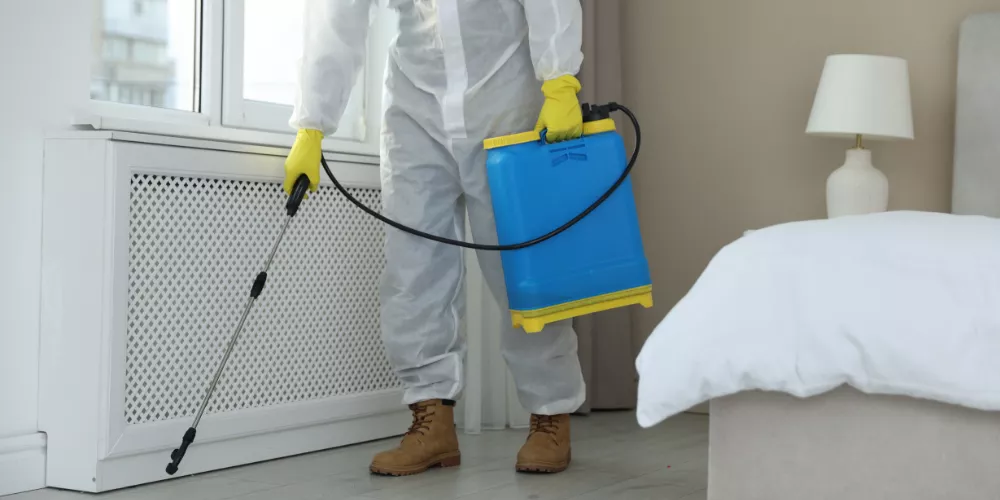
Pest control professionals don’t just spray randomly. They follow a strategic plan based on pest behavior, biology, and entry points. Every spray zone is chosen for a reason.
When a technician visits your home, they target areas where pests live, feed, travel, and breed. These spots are often hidden from plain sight. Think wall gaps, cabinet corners, and pipe openings.
The goal is to disrupt the pest’s life cycle. That means treating nesting zones, travel paths, and food sources all at once. A well-targeted treatment protects your home far longer than a random spray-down.
The U.S. Environmental Protection Agency (EPA) says targeting pesticides reduces chemical use.. It helps lower the amount of chemicals needed. It also makes them more effective. That’s good for your family and the environment.
Knowing where pest control sprays go is important. It helps you prepare. This way, you can get better results.
Where Does Pest Control Spray In House — At a Glance
| 🏠 Area | 🎯 What Gets Treated | 🐛 Common Pests Targeted |
| Kitchen | Under appliances, cabinet corners, under sink | Cockroaches, ants, mice |
| Bathroom | Under sink, toilet base, drain areas | Silverfish, drain flies, roaches |
| Baseboards | All room perimeters, wall-floor junctions | Ants, spiders, cockroaches |
| Windows & Doors | Frames, sills, door sweeps, sliding tracks | Stink bugs, ants, beetles |
| Attic | Insulation areas, rafters, vents | Rodents, spiders, wasps |
| Crawl Space | Foundation walls, vapor barrier gaps | Termites, moisture ants, centipedes |
| Basement | Foundation cracks, pipe openings | Crickets, roaches, rodents |
| Garage | Floor edges, door frames, stored item areas | Mice, spiders, crickets |
| Exterior Perimeter | Full foundation band, eaves, utility boxes | All crawling insects |
| Yard & Landscaping | Shrubs, mulch beds, fence lines, wood piles | Mosquitoes, fleas, ticks, termites |
1. Essential Kitchen Areas That Pest Control Always Targets
The kitchen is the number one hotspot in any home. Pests are drawn to food, moisture, and warmth — and your kitchen has all three.
When a pest control technician steps into your kitchen, they’re thinking like a pest. Where would a cockroach hide? Where do ants march in? Where are crumbs collecting unseen?
Common kitchen spray zones include:
- Behind and under the refrigerator — Warmth from the motor attracts roaches and mice
- Under the stove and oven — Grease buildup is a magnet for pests
- Inside cabinet hinges and corners — Roaches love tight, dark spaces
- Under the sink — Moisture and pipe gaps are entry points
- Along baseboards near appliances — A common ant and roach travel path
- Around the dishwasher — Food debris and moisture collect here
A pest control tech from Orkin or Terminix often uses a crack-and-crevice injector. They use it in these areas. This delivers treatment directly into hiding places without soaking open surfaces.
In New York City apartments, kitchens are common for German cockroach infestations. They are reported the most for these pests. These roaches breed fast and hide deep. Targeted spraying behind appliances is critical.
Pro tip from Archie: Before your pest control visit, pull out your fridge and stove. Clean behind them and remove any food debris. This gives the technician better access and improves results dramatically.
According to a 2022 survey by NPMA, cockroaches are found in 63% of U.S. homes with pest problems. Kitchens are where they start.
Clear out your under-sink cabinet before treatment day. It really helps!
➡️ Next, let’s look at another moisture-heavy room pests absolutely love.
2. Bathroom Spots That Secretly Attract Pests
Bathrooms are the second most treated area in any home. Standing moisture, pipes, and dark spaces make a perfect home for pests.
Many homeowners are surprised. Pests use bathroom pipes as highways in their homes. A small gap around a pipe fitting is all a cockroach needs to enter.
Key bathroom zones technicians target:
- Under and around the toilet base — Moisture collects here constantly
- Below the bathroom sink — Pipe gaps and dampness attract silverfish and roaches
- Behind the toilet tank — Dark, rarely cleaned, and often humid
- Around the bathtub or shower drain — Drain flies breed in standing organic matter
- Along bathroom baseboards — Travel paths for ants and roaches
- Inside cabinet bases near plumbing — Entry points from walls
Silverfish are especially common in U.S. bathrooms. Pest management data shows that pests thrive in 75–90% humidity. Most American bathrooms offer just that.
In older homes in Boston and Philadelphia, gaps in bathroom pipes are a big problem. They let pests enter from basements and crawl spaces.
Practical tip: Fix any dripping faucets before your pest control appointment. Standing water undermines treatment by keeping pest-friendly conditions in place.
Pest control professionals often use gel baits near bathroom cabinet bases. This is a low-mess, highly effective treatment for roaches in tight spaces.
Seal those pipe gaps with foam caulk. It’s inexpensive and helps professional treatments work better!
➡️ Now let’s move to one of the most overlooked spray zones in the entire home.
3. The Critical Role of Baseboards and Wall Voids
If you watch a pest control technician work, you’ll notice they spend a lot of time near the floor. That’s because baseboards and wall voids are pest highways.
Pests don’t walk across the middle of your room. They hug walls. They follow edges. They move through cracks where the wall meets the floor. Spraying these zones directly targets their travel routes.
Where technicians focus along baseboards:
- The perimeter of every room at floor level is a path for ants. It’s also a route for roaches and spiders.
- Wall outlet areas — Pests use electrical conduits to move between walls
- Corner joints where two walls meet — Especially in older homes with settling cracks
- Behind furniture along walls — Dark, undisturbed spaces pests love
- Gaps where baseboards have separated from the wall — Common in older USA homes
Wall void treatments go a step further. Technicians drill small holes. They put dust-based pesticides in. This includes diatomaceous earth and boric acid. These go into wall cavities. This kills pests where they nest without disturbing your living space.
A Rutgers University study found that treating wall voids can cut cockroach populations. It works up to 90% better than treating just surfaces.
In older New York brownstones and row houses, roaches thrive in wall voids. Treating them is non-negotiable.
Practical tip: Move furniture away from walls before your pest control visit. It lets technicians fully access the baseboard line. This makes treatment much more effective.
Don’t skip moving that couch — what’s hiding behind it might surprise you!
➡️ Let’s move to another critical entry point pest control pros never overlook.
4. Why Pest Control Sprays Around Windows and Doors
Every window and door in your home is a potential pest entry point. A tiny gap in the weatherstripping can let bugs in. Even a small crack in a window frame does the same. Ants, spiders, and stink bugs can easily enter.
Pest control professionals treat these areas both inside and outside. The goal is to create a chemical barrier that stops pests before they ever enter.
Key window and door treatment zones:
- Door frames — top, sides, and bottom sweep area — Ants and spiders enter along door edges
- Window sills and frames—Spider webs gather here. Beetles and stink bugs slip through cracks.
- Sliding door tracks — Debris collects here, attracting pests
- Garage door perimeter — A major entry point often ignored by homeowners
- Gaps around A/C window units — Very common pest entry point in summer
In the southern U.S., door and window treatments matter year-round. This is especially true in Florida, Georgia, and Texas. Warm climates mean pests are active in every season.
Brown marmorated stink bugs invade millions of homes in the U.S. each fall. They usually get in through gaps in windows and doors. According to the USDA, they’ve been found in 47 U.S. states.
Practical tip: Check your weather stripping before your pest control visit. Worn or missing strips invite pests in and reduce how long treatments last.
Replacing a worn door sweep costs under $15 and can stop an entire ant trail overnight!
➡️ Now let’s explore the areas of your home most people completely forget about.
5. Attics, Crawl Spaces, and Basements — The Hidden Zones
These three areas are where serious pest problems grow unnoticed for months. They’re dark and often undisturbed. They have the perfect conditions for pests: warmth, moisture, and hiding spots.
Most homeowners rarely visit their attic, crawl space, or basement. Pests know this. These areas are prime real estate for rodents, roaches, spiders, and termites.
What pest control targets in these zones:
- Attic insulation and rafters — Rodents nest here; spiders build webs along beams
- Attic vents — Entry points for wasps, birds, and squirrels
- Crawl space perimeter walls — Termites and moisture ants tunnel along foundations
- Crawl space vapor barrier — Gaps allow moisture and pests to rise into the home
- Basement cracks in the foundation — Entry points for centipedes, camel crickets, and rodents
- Basement utility pipe openings — Gaps where pipes enter from outside
Termites cause about $5 billion in property damage each year in the U.S., says the NPMA. Much of this damage starts in crawl spaces and basements where it goes unseen for years.
In colder northern states like Minnesota and Michigan, pests invade basements in fall. They seek warmth as it gets colder. Crawl space inspections should happen at least once a year.
Practical tip: Keep your attic and basement decluttered. Cardboard boxes, old furniture, and fabric piles are perfect for rodents. They also draw cockroaches.
Schedule an attic and crawl space inspection if you haven’t had one in over a year — don’t wait for damage to show up!
➡️ Let’s move to two more commonly overlooked areas of the home.
6. Garage and Utility Areas Pros Never Skip
The garage is one of the most pest-friendly environments in any American home. It stores food, provides shelter, and connects directly to the interior. It’s also one of the least frequently cleaned areas.
Utility rooms — laundry rooms, mechanical closets, and HVAC areas — share similar issues. Warmth from equipment and humidity from dryers create ideal conditions for pests.
Key garage and utility spray zones:
- Along garage floor edges and walls — Ants, spiders, and crickets travel here constantly
- Around the garage door interior frame — Gaps here let pests walk right in
- Stored pet food or birdseed can attract rodents and cockroaches. They are drawn to any stored grain.
- Laundry room behind the washer and dryer — Warmth and moisture collect here
- Around the water heater base — Roaches especially love warm, damp areas
- HVAC closet corners — Spiders and roaches often hide near ducts
In suburban American homes, the garage is one of the top entry points for Norway rats and house mice. Rodents often find a way into the kitchen after getting into the garage. They use gaps in the walls to travel between the two areas.
Tip from Archie: Keep pet food in sealed plastic containers, not paper bags. This one change can dramatically reduce rodent activity in garages across the country.
Move stored items off the garage floor before your pest control visit for much better access.
Don’t let your garage be the “back door” for pests — a little prep goes a long way!
➡️ Now, let’s discuss what happens outside your home. This is where protection really begins.
7. Exterior Perimeter Spraying — Your First Line of Defense
Most homeowners think pest control is mainly an indoor job. The exterior treatment is key for long-term pest prevention. It can make or break your success.
A proper exterior treatment protects your home’s foundation. It creates a strong barrier all around it. Pests cross this barrier and pick up the pesticide before ever reaching your door.
Exterior zones professionals always treat:
- The full foundation perimeter — A standard 3-foot spray band from the ground up
- Eaves and soffits — Wasp nests and spider webs form here in warm months
- Around all exterior doors and windows — First line of defense against crawling insects
- Weep holes in brick homes — Small gaps used for drainage also let pests in
- Around utility boxes and meters — Dark, protected spaces pests love
- Exterior light fixtures — Flying insects are attracted to light at night
Pest control companies, like Rentokil and Terminix, offer perimeter spraying. It’s part of their quarterly service plans in the USA. This ongoing barrier maintenance is key to year-round protection.
The EPA says that exterior treatments cut down on heavy pesticide use inside. This is healthier for your family.
Practical tip: Trim bushes, shrubs, and tree branches away from your home’s exterior. Plants touching your house help pests get past the spray. They create easy paths.
Ask your technician what product they’re using on the exterior — and how long it’s designed to last!
➡️ Your yard and landscaping matter more than you might think. Here’s why.
8. How Pest Control Treats Yards and Landscaping
Your lawn and garden are not just outdoor spaces. They’re pest habitats. Treating these pests is essential for effective pest management. This is especially true for mosquitoes, fleas, ticks, and fire ants.
Many American families with children and pets benefit enormously from yard treatments. Tick populations have grown a lot in the northeastern and midwestern U.S. lately.
Key yard and landscaping treatment zones:
- Lawn perimeter edges and fence lines — Fleas, ticks, and ants travel along these edges
- Under shrubs and low-growing plants — Moisture and shade attract mosquitoes
- Mulched garden beds — Termites and earwigs thrive in moist mulch near foundations
- Around compost bins or wood piles — Major harborage sites for roaches and rodents
- Tree stumps and rotting wood — Termite entry points and beetle harborage zones
- Around outdoor furniture — Spiders and wasps nest in undisturbed furniture gaps
The CDC says tick-related illnesses in the U.S. have more than doubled in the last ten years. Pest control for ticks is now vital in states like Connecticut, New York, and Pennsylvania.
Practical tip: Keep mulch at least 12 inches away from your home’s foundation. Mulch retains moisture and warmth — two things that make termites extremely happy.
Move your firewood pile away from the house. If it’s touching your wall, it’s like inviting termites!
➡️ Finally, let’s cover what happens after treatment so you stay safe and get full results.
9. What to Expect After Indoor Pest Control Spraying
What happens after treatment matters just as much. It’s also important to know where pest control sprays in your home. Following the right steps keeps your family safe and makes the treatment last longer.
Homeowners often make mistakes after treatment. They might clean too soon, let pets roam right away, or expect quick results. None of these help.
Post-treatment guidelines to follow:
- Stay out of treated areas for 2–4 hours — Allow sprays to dry completely before re-entering
- Keep pets away longer — Dogs and cats may need 4–6 hours away from treated floors
- Don’t mop or scrub treated floors right away — Cleaning too soon wipes away the treatment
- Expect more pests soon. Pesticides can make them more active.
- Ventilate the home after you come back. Open windows for a bit to clear out any lingering airborne particles.
- Follow up with your technician — If you still see heavy activity after 2 weeks, call for a follow-up
The EPA says to always ask your pest control technician for the product label. Also, get the Safety Data Sheet (SDS) before treatment starts. This helps you understand exactly what’s in your home and how to respond if anyone has a reaction.
Many American homes make a mistake. They use a strong cleaner on kitchen counters. This usually happens right after treatment. This can strip away freshly applied sprays and cut your protection time in half.
Practical tip from Archie: Write the date of your treatment on your calendar. This helps you track how long the product has been active and when to schedule your next service.
Give your treatment at least 7–14 days to fully work before evaluating results — patience pays off!
Quick Summary
Pest control professionals follow a strategic, science-based approach to treatment. They spray where pests actually live, travel, breed, and enter — not just wherever they feel like. Knowing where pest control spray targets in your home helps you prepare. This way, you can achieve the best results from each treatment visit.
Key Points Covered:
- Kitchens and bathrooms are the top indoor treatment zones due to food, moisture, and pipe gaps
- Baseboards and wall voids are the main pest travel highways in any home
- Windows, doors, and garage areas are critical entry points that pros always treat
- Attics, crawl spaces, and basements harbor major infestations that go unnoticed
- Exterior perimeter spraying is your first line of defense. It keeps pests out before they can enter.
Frequently Asked Questions
Still have questions about where pest control sprays in your house? You’re not alone. Many American homeowners want to know what to expect. They are curious about the steps before, during, and after a pest control visit.
Here are the most common questions people ask, answered simply. This way, you’ll feel informed and confident.
Where does pest control spray in house during a standard visit?
During a standard visit, pest control professionals check key areas. They focus on the kitchen and bathrooms. They also inspect baseboards, wall voids, windows, and doors. The garage and the exterior perimeter are included too. They focus on areas where pests enter, hide, travel, and breed. The specific zones treated depend on which pests are present. Most technicians use a room-by-room method. This helps them find all active pest zones. Knowing where pest control sprays in your home helps you prepare. This leads to better results when they arrive.
Is pest control spray safe for children and pets?
Most modern pest control sprays are safe once they’ve fully dried, which usually takes 2–4 hours. Keep children and pets away from treated areas. Do this during and right after application. Always ask your technician for the product name and SDS sheet. Companies like Orkin and Terminix offer pet-safe and low-toxicity options. If someone at home has asthma or chemical sensitivities, let your technician know. This helps them suggest the safest products.
How long does pest control spray last in a house?
Most residential pest control sprays last from 30 to 90 days. This depends on the product and your home’s conditions. Interior treatments in protected areas (like inside cabinets) tend to last longer. Exterior treatments may break down faster due to rain, sunlight, and heat. Many pest control companies in the USA suggest quarterly plans. These plans help keep protection steady. If you see pests returning sooner than expected, contact your provider. Ask for a follow-up inspection.
Should I clean before or after pest control sprays in the house?
You should clean before pest control sprays in house — not after. Cleaning before gives technicians better access to baseboards, under appliances, and cabinet interiors. After treatment, avoid mopping floors or wiping baseboards for at least 1–2 weeks. Scrubbing treated surfaces removes the pesticide and shortens the treatment’s effective life. Clean the countertops gently. But skip the sprayed corners, crevices, and floor edges. Do this for as long as your technician suggests.
Why does pest control spray along walls and baseboards?
Pest control sprays along walls and baseboards because that’s how pests travel. Cockroaches, ants, and spiders prefer to walk along walls. They avoid crossing open areas. These travel paths are called “runways” in the pest management industry. Technicians treat baseboards. They also treat wall-floor junctions. This puts the pesticide in the pests’ way. This is one of the most effective and targeted methods available. It reduces the amount of chemical needed while dramatically improving contact with pests.
Conclusion
Knowing where pest control sprays in your home is very useful for homeowners. It makes the process clear and helps you take an active role in protecting your home.
This guide covers all the main areas. We looked at kitchens, bathrooms, attics, crawl spaces, and the outside perimeter. Each area is treated for a specific reason based on pest behavior, biology, and entry patterns.
Here are your 3 key practical takeaways:
- Prepare your home before the visit.
- Pull out appliances.
- Clear under-sink cabinets.
- Move furniture away from walls.
- Store pet food in sealed containers.
- Prep work dramatically improves treatment access and results.
- Don’t clean too soon after treatment. Give sprays at least 1–2 weeks to work in treated zones. Mopping, wiping, or scrubbing baseboards too soon removes the pesticide. This makes it last shorter.
- Treat inside and outside together. Interior-only treatments leave gaps. Spray the outside of your home. Also, target key areas inside. This gives you strong and lasting protection.
A homeowner in New Jersey told me they had pest control visits for three years. They saw little change. Then, they started prepping their home the right way. Now, they schedule treatments inside and outside. In just one quarter, they finally got the cockroach problem under control. They had battled it for years.
You now have the knowledge to make that same difference in your own home. Pest control works best when you and your technician work as a team.
For a deeper dive into full pest management strategies, check out the Complete Pest Control Guide — it’s the complete resource that pairs perfectly with what you’ve learned here.
Found this guide helpful? Share it with a neighbor. Bookmark it for your next pest control visit. You can also leave a comment below about your experience. The more we share, the better prepared every American homeowner becomes.