Does Pest Control Spray in Bedrooms?

Have you ever wondered — does pest control spray in bedrooms? It’s a question many American homeowners ask when they first book a pest control service. You’re not alone. Millions of people across the U.S. deal with pests like bed bugs, cockroaches, and ants every year. And yes, those pests often end up in the most private room in your home — your bedroom.
The short answer is yes. Pest control professionals do spray in bedrooms. But there’s a lot more you need to know before they arrive. I’m Archie M. Guerrero. I’m a home decoration and repair expert in New York, NY. I help homeowners get ready for pest control visits. Being unprepared can lead to stress and safety issues. It can also make treatment less effective. I’ve seen this happen firsthand.
This post will walk you through everything you need to know. We’ll explain why technicians spray bedrooms. We’ll also talk about the chemicals they use. Then, we’ll cover how to prepare your room. Finally, we’ll share tips to keep your family safe. Whether you’re dealing with bed bugs in Brooklyn or fleas in Florida, this guide has you covered.
For a broader look at pest management, check out our pillar resource: Complete Pest Control Guide.
Let’s dive in.
Key Takeaways:
- Pest control experts spray bedrooms. They do this when they find pests like bed bugs, fleas, or cockroaches.
- Does pest control spray in bedrooms safely depends on the type of chemicals and methods used.
- Take out bedding. Remove toys and personal items. Do this before pest control in your bedroom.
- Most pest control treatments require you to stay out of treated rooms for 2–4 hours after spraying.
- Always ask your pest control technician about the products they use. This way, you can take the right safety steps.
Does Pest Control Spray in Bedrooms?
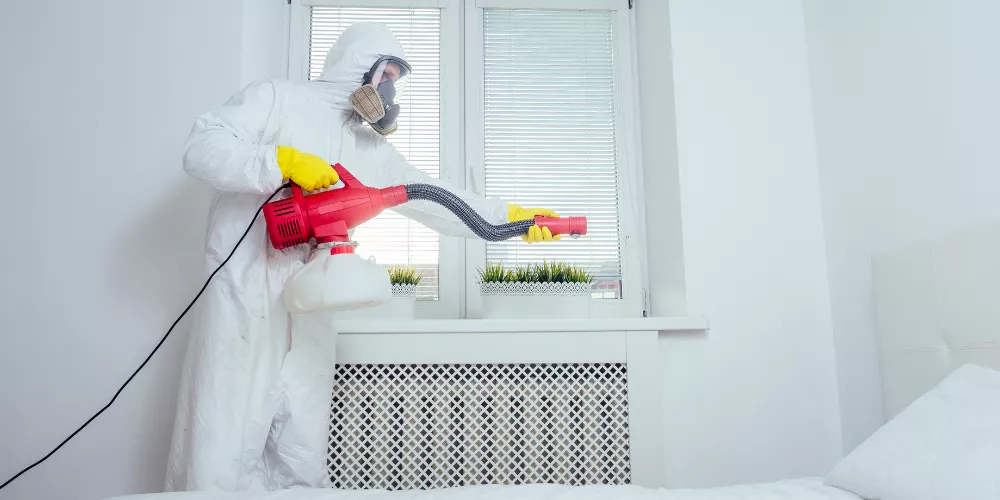
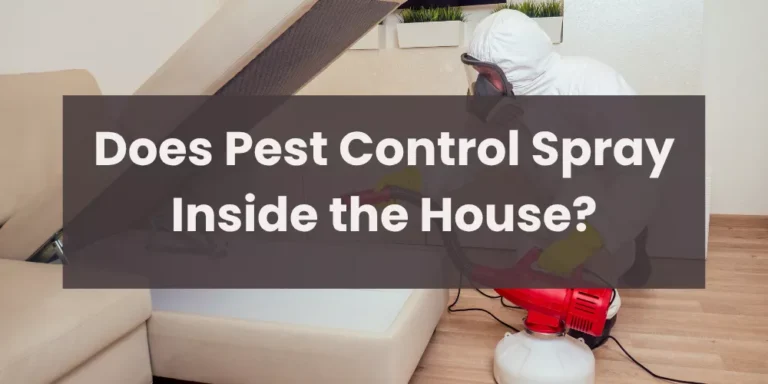
Yes, pest control companies do spray in bedrooms — and for good reason. Bedrooms are warm, dark, and often undisturbed. That makes them a favorite hiding spot for many pests. When you call a pest control company, a technician will check every room in your home. This includes your bedroom.
Pest control spraying in bedrooms is a standard part of most treatment plans. Technicians are trained to identify where pests hide and breed. Your bedroom could be the most important room to treat. This depends on the type of infestation.
The National Pest Management Association (NPMA) reported that over 14 million U.S. homes had cockroaches last year. That’s a lot of homes! That’s a lot of households! Many of those were found in bedrooms and living spaces. This shows just how common indoor pest problems really are.
Deciding to spray your bedroom depends on a few things. First, consider the type of pest. Then, think about how bad the infestation is. Finally, look at the treatment method you plan to use. Let’s explore why bedrooms are such a common target.
Why Pest Control Technicians Brilliantly Target Bedrooms
Bedrooms offer pests everything they need to survive. They have warmth, hiding spots, and easy access to humans. That last part matters — especially for pests like bed bugs and fleas, which feed on human or animal blood.
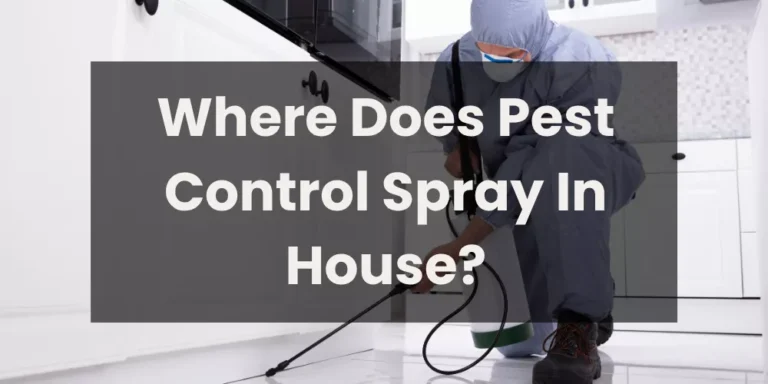
A pest control technician walks into your home. They follow a simple inspection process. They look along baseboards, under furniture, inside closets, and behind headboards. These are all prime hiding zones.
Here’s why bedrooms get targeted:
- Bed bugs live in mattresses, box springs, and bed frames — right where you sleep.
- Fleas hide in carpet fibers and jump onto pets or people in bedrooms.
- Cockroaches travel from kitchens to bedrooms through wall gaps and pipes.
- Spiders build webs in quiet corners of rooms that aren’t disturbed often.
- Ants follow moisture and food trails into any room, including bedrooms.
A technician from Orkin or Terminix will always check bedrooms. These are two trusted pest control brands in the U.S. They are part of a full-home treatment plan. They spray specific spots, like edges and entry points. They don’t spray the whole room.
Try this today: walk around your bedroom and check under the bed and behind the headboard. You might be surprised what you find.
This inspection method reduces chemical use and boosts pest control. It’s better for you and your family.
Common Bedroom Pests That Truly Demand Professional Treatment
Not all pests can be handled with a can of store-bought spray. Some bedroom pests are stubborn and need professional-grade treatment to eliminate properly.
Here are the most common bedroom pests that require pest control spraying:
1. Bed Bugs Bed bugs are tiny, flat insects that hide in mattress seams and headboards. They bite at night and are incredibly hard to eliminate without professional help. The CDC recognizes bed bug infestations as a growing public health concern in the U.S.
2. Fleas If you have pets, fleas can spread quickly from your living room to your bedroom carpet. A single flea can lay up to 50 eggs per day, making fast treatment essential.
3. Cockroaches German cockroaches are the most common species found in U.S. homes. They move through wall voids and can enter bedrooms at night looking for warmth.
4. Spiders Most spiders are harmless. Some species need help. The Brown Recluse and Black Widow are two examples. They are found in the southern U.S. and require professional removal.
5. Silverfish These small insects feed on paper, clothing, and fabric. They love quiet, dark spaces — like the back of your bedroom closet.
If you spot any of these pests, contact a licensed pest control company right away. Early treatment prevents a small problem from becoming a major infestation.
What Powerful Chemicals Does Pest Control Use in Bedrooms?
This is one of the most important questions homeowners ask. You want to know what’s being sprayed in the room where you sleep. That’s completely reasonable.
Most pest control companies use one or more of the following product types in bedrooms:
- Pyrethrins and Pyrethroids – They come from flowers. They are common insecticides. Many people use them indoors. Brands like Demand CS and Suspend SC use these active ingredients.
- Insect Growth Regulators (IGRs) – These don’t kill bugs directly. Instead, they stop them from reproducing. They’re often used for flea and cockroach control.
- Desiccant Dusts: Products like diatomaceous earth and CimeXa are great for cracks. They fit well in crevices, too. They dry out insects physically without heavy chemical use.
- Gel Baits – Place these in corners and along baseboards. They attract and kill cockroaches. They’re low-odor and dry quickly.
The EPA controls all pesticides used in U.S. homes. This is done under the Federal Insecticide, Fungicide, and Rodenticide Act (FIFRA). Licensed technicians know how to use these products safely. They only use amounts that follow legal safety standards.
Always ask your technician for a Safety Data Sheet (SDS) for any product used in your home. This gives you full details on what was applied and any precautions you should take.
How to Perfectly Prepare Your Bedroom Before Pest Control Sprays
Preparation is key to making pest control treatment effective and safe. Proper steps can enhance results and ensure safety. I always tell homeowners: a little prep goes a long way.
Here’s a step-by-step checklist to prepare your bedroom:
Before the Technician Arrives:
- Strip your bed and wash all bedding in hot water (at least 120°F)
- Remove stuffed animals, pillows, and personal items from the bed
- Vacuum the floor, mattress, and carpet thoroughly
- Pull furniture 6–12 inches away from walls to allow access
- Clear out the closet floor so the technician can spray inside
- Seal food items and pet bowls in airtight containers
- Remove fish tanks or cover them and turn off the pump
- Place children’s toys in sealed plastic bags
On Treatment Day:
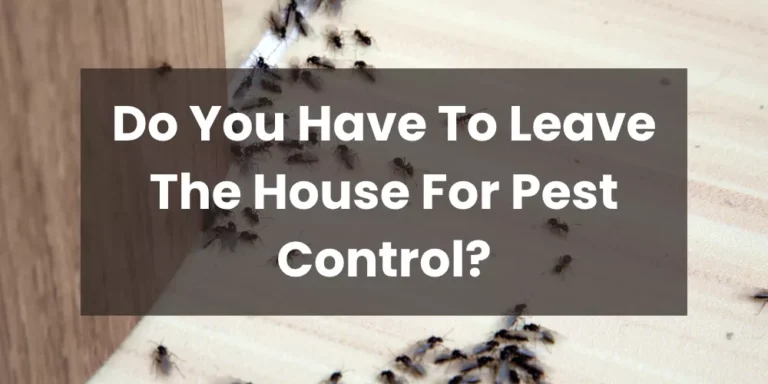
- Plan to be out of the house for at least 2–4 hours
- Take your pets with you — cats are especially sensitive to pyrethroids
- Leave interior doors open so the technician can access all rooms
The University of Kentucky’s College of Agriculture says good preparation helps pest control. It can make it up to 50% more effective. That’s a huge difference.
Try this today: print this checklist. Tape it to your bedroom door the night before your appointment.
Being prepared helps the technician work faster and do a better job. It also keeps your family safer.
Is It Genuinely Safe to Sleep in Your Bedroom After Pest Control?
Safety is the top concern for most families. The good news is that modern pest control products are safe for humans and pets. They only need to dry first. Just apply them correctly.
Here are some general safety guidelines:
- Wait the recommended time. Most companies suggest staying out of treated rooms for 2 to 4 hours.
- Ventilate the room – Open windows and doors when you return to air out the space.
- Wipe hard surfaces. Use a damp cloth to clean counters, nightstands, and other places you touch often.
- Wash exposed bedding again. Even if you took it out before treatment, wash anything that stayed in the room.
- Keep kids and pets outside longer. They are more sensitive to chemical residues. Give extra time before letting them back in.
The American Academy of Pediatrics (AAP) warns parents. They should be careful with pest control chemicals in sleeping areas. This is especially important for kids under 5. Always tell your technician about any sensitivities. Share any health issues in your home, too.
If you feel headaches, dizziness, or skin irritation when in a treated room, go outside. Get fresh air right away. Then, call Poison Control at 1-800-222-1222.
How Long After Pest Control Can You Return to Your Bedroom?
The waiting time after pest control spraying in bedrooms depends on the treatment. Each type has its own rules. Each type has its own rules. Here’s a simple breakdown:
| Treatment Type | Wait Time |
| Standard spray (pyrethroids) | 2–4 hours |
| Bed bug heat treatment | Same day after cooling |
| Fumigation (tenting) | 24–72 hours |
| Gel bait application | Immediate re-entry |
| Desiccant dust | 30–60 minutes |
Most standard bedroom spray treatments require just 2–4 hours. That’s enough time for the product to dry and the fumes to dissipate.
Always follow the specific instructions given by your technician. They know which products were used and what the manufacturer recommends. Never re-enter a treated room before the recommended time — even if it seems fine.
Companies like Orkin and Terminix provide written re-entry instructions after every service visit. Keep this document for reference in case you have questions later.
Does Pest Control Spray in Bedrooms for Bed Bugs Specifically?
Absolutely. In fact, bed bug treatment is one of the most common reasons pest control sprays in bedrooms. Bed bugs are almost exclusively a bedroom pest. They live, breed, and feed right in your sleeping area.
Bed bug treatment options include:
- Chemical spray treatment – Technicians apply contact insecticides and residual sprays along mattress seams, bed frames, baseboards, and furniture joints.
- Heat treatment – The entire room is heated to 120°F or higher. Heat kills bed bugs at all life stages, including eggs.
- Cryonite (freeze treatment) – Liquid CO₂ is applied to freeze and kill bed bugs instantly.
- Steam treatment – High-temperature steam is directed into cracks, seams, and furniture.
The CDC and EPA say to use both chemicals and non-chemicals. This method is best for controlling bed bugs.
A 2023 report from Pest World found that bed bug cases in the U.S. have increased significantly in urban areas. New York City, Chicago, and Los Angeles are often the top cities for bed bugs in the country.
If you live in New York or another major city and suspect bed bugs, don’t wait. Early treatment is far less expensive and stressful than a full-blown infestation.
Proven Tips to Keep Pests Out of Your Bedroom After Treatment
Pest control treatment works best when you follow up with good habits. Here are practical steps to keep your bedroom pest-free long after the technician leaves:
Daily Habits:
- Don’t eat food in your bedroom — crumbs attract ants and cockroaches
- Vacuum your carpet and floors at least twice a week
- Wash bedding weekly in hot water
Monthly Maintenance:
- Inspect your mattress and bed frame for early signs of bed bugs
- Check closet corners for silverfish or spider webs
- Seal any new cracks along baseboards with caulk
Seasonal Tips:
- In fall and winter, seal gaps around windows and doors where pests enter for warmth
- In spring and summer, check for moisture buildup that attracts pests
Products That Help:
- Mattress encasements (certified bed bug proof) — brands like Safe Rest are popular in the U.S.
- Door sweeps to block entry under bedroom doors
- Sticky traps placed under beds to monitor for pest activity
Pest World says regular monitoring helps prevent pests. Exclusion methods work well, too. These are the best and cheapest long-term strategies for homeowners.
Try this today: put a sticky monitor trap under your bed tonight. Check it in one week. If you see anything, call your pest control company.
Quick Summary:
Does pest control spray in bedrooms? Yes — and it’s an essential part of effective pest management. Pest control technicians target bedrooms. Many pests live there. Bed bugs, fleas, and cockroaches thrive in sleeping areas. Proper preparation and following re-entry guidelines keep your family safe after treatment.
Key Points Covered:
- Pest control does spray in bedrooms as part of standard home treatment
- Common bedroom pests include bed bugs, fleas, cockroaches, and spiders
- Technicians use EPA-approved chemicals like pyrethroids, IGRs, and desiccant dusts
- Prepare your bedroom by removing bedding, toys, and personal items beforehand
- Wait 2–4 hours before re-entering your bedroom after standard spray treatment
- Follow-up habits like vacuuming and sealing cracks keep pests away long-term
Frequently Asked Questions
Still have questions? You’re not alone. Many American homeowners want to know about bedroom pest control. They wonder what happens during the treatment. Here are the most common questions people ask, answered clearly. This way, you can feel confident and ready.
Does pest control spray in bedrooms every visit?
Not always. Pest control technicians spray in bedrooms if they find pests there. They also treat the entire home for infestations. For routine quarterly visits, they may focus on kitchens, bathrooms, and entry points. However, if you report pest activity in your bedroom, they will absolutely treat it. Always let your technician know every room where you’ve seen pest activity.
Is it safe for kids after pest control sprays in bedrooms?
It depends on the products used and how long you wait. Most treatments are safe for children once fully dried — typically 2–4 hours. However, children under 5 are more sensitive to chemical residues. Wash all surfaces children might touch and re-wash any bedding left in the room. When in doubt, ask your technician for the product label and check the EPA safety rating.
How do I know if pest control sprayed in my bedroom correctly?
A good technician sprays in key areas. They spray along baseboards, behind furniture, inside closets, and around the bed frame. After treatment, you may notice a faint odor or slight residue along treated edges. If you don’t see any of these signs, ask your technician to walk you through what was done. Reputable companies like Orkin or Terminix will always explain their process clearly.
Does pest control spray in bedrooms for ants?
Yes, if ants are found in your bedroom. Technicians use gel baits. They also spray entry points, baseboards, and window sills. They also look for moisture sources or food items that may be attracting ants. Keeping your bedroom clean and free of food is the best way to prevent ant invasions.
How often should pest control spray in bedrooms?
It depends on the pest and severity of the problem. For a one-time infestation like bed bugs, you may need 2–3 treatments spaced a few weeks apart. Most U.S. pest pros recommend a quarterly pest control plan. This helps with ongoing prevention. Always follow your technician’s recommended schedule for the best long-term results.
Conclusion
So, does pest control spray in bedrooms? Absolutely — and now you know exactly why, how, and what to expect. Bedrooms are key areas to address. Many household pests hide, breed, and feed in them. Ignoring your bedroom during a pest control treatment can leave the infestation unresolved.
Here are your 3 key practical takeaways from this guide:
1. Prepare your bedroom properly. Strip the bed, remove personal items, pull furniture away from walls, and plan to be out of the home for at least 2–4 hours. This simple preparation makes the treatment far more effective.
2. Know what’s being used. Always ask your technician for the Safety Data Sheet for any product applied in your bedroom. Knowing what chemicals are used helps you take the right safety steps. This protects your family.
3. Follow up with smart habits. Vacuum regularly, seal cracks, use mattress encasements, and monitor for pests between visits. Prevention is always cheaper and easier than a full-blown infestation.
I’ve worked with homeowners in New York City and all over the U.S. They were surprised by how easy pest control prep is. A little knowledge goes a long way toward keeping your home safe and comfortable.
If this guide helped you, share it with a neighbor or friend who might be dealing with bedroom pests. Bookmark it for your next pest control visit. And if you want to learn more about full-home pest management, visit our Complete Pest Control Guide for everything you need to know.
Your bedroom should be your safe, peaceful retreat — not a home for pests. Take action today and reclaim your space.