Do You Have To Leave The House For Pest Control?

The pest control technician is scheduled to arrive tomorrow morning. And now you are wondering: do you have to leave the house for pest control?
It is one of the most common questions. Homeowners across the USA ask it before a treatment visit. And honestly, the answer is not always a simple yes or no. It depends on the type of treatment. It depends on the pest being targeted. It depends on who is living in your home.
Some treatments are completely safe to stay home for. Others require you to pack a bag. Full fumigation is one example. It forces you to stay away for two to three days. Getting this wrong can put your family’s health at risk. That is why knowing the facts matters so much. You must know them before your appointment.
Archie M. Guerrero is a specialist based in New York, NY. He works in home decoration and repair. He often reminds his clients of a key rule. “Pest control protects your home. But it only works if you follow the safety steps correctly.”
Think about a family in Chicago. They had cockroaches treated. The worker used a gel bait system. The family stayed home the whole time. They had no issues. But their neighbors had a termite fumigation done. They had to stay in a hotel for three nights. It was the same city. It was the same week. But they were completely different situations.
This post breaks it all down for you. You will learn which treatments require you to leave. You will learn how long to stay out. You will learn what to prepare beforehand. You will learn how to safely return home after treatment.
You may be dealing with ants. You may have termites. You may have bed bugs. You may have roaches. This guide gives you clear, simple answers. Let us get into it.
This post is part of the Complete Pest Control Guide. It is your complete resource for pest control tips. It is your guide for home protection.
Key Takeaways
- Leaving: Leaving the house depends on the type of treatment.
- Fumigation: Fumigation always requires you to leave for 2 to 3 days minimum.
- Staying: Many common treatments do not require you to leave. Examples are gel baits and exterior sprays.
- Sensitivity: Children, pregnant women, and pets are most sensitive. They should always leave during chemical treatments.
- Safety: Knowing what to expect keeps your family safe. This applies before, during, and after treatment.
Do You Have To Leave The House For Pest Control?
Thousands of American homeowners ask this question every year. The answer is not the same for every situation. It depends heavily on the treatment type. It depends on the chemicals involved. It depends on the specific pest being treated.
Some pest control methods use low-toxicity products. They dry quickly. They pose little risk once applied. Others involve powerful chemicals. These require full evacuation of the home for safety.
The National Pest Management Association is called the NPMA. According to the NPMA, over 84% of American homes had a pest problem last year. This means pest control visits are extremely common across the USA.
You must understand which treatments require you to leave. You must know which ones do not. This helps you plan ahead. It helps you stay safe. It helps you get the most out of every treatment. Let us start with the treatments that always require evacuation.
The Most Important Treatments That Always Require You To Leave

Some pest control treatments are simply not safe to be around. These methods use powerful chemicals or gases. They can be harmful. They can even be deadly if inhaled. They can harm you if absorbed through the skin.
1. Tent Fumigation (Whole-Home Fumigation)
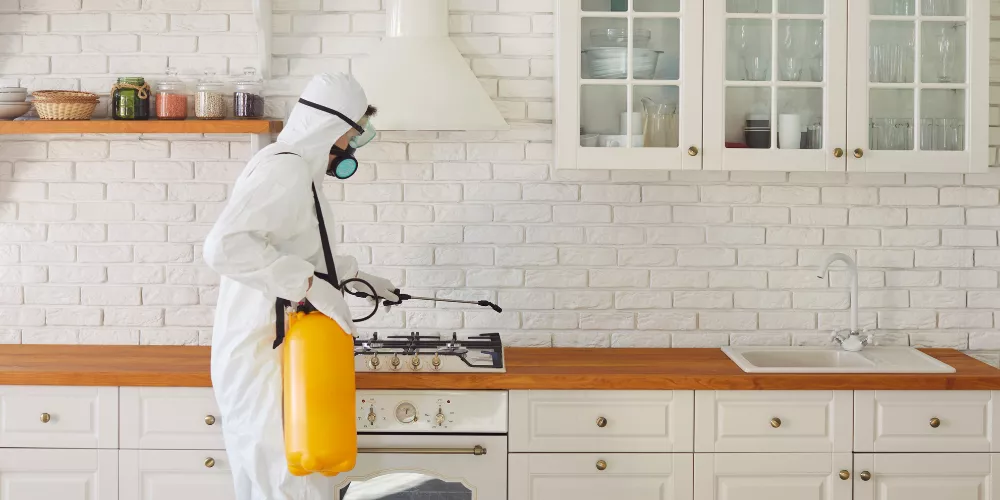
This is the most serious type of treatment. A large tent is placed over the entire home. A gas is pumped inside. The gas is called sulfuryl fluoride. The brand name is Vikane by Dow.
It penetrates every crack. It goes into wall voids. It fills every piece of furniture. It kills termites, bed bugs, and other pests. It targets bugs hiding deep inside the structure.
- Time Away: You must leave for at least 2 to 3 full days. In some cases, it can be longer.
- Air Testing: A certified pest control company will set up clearance devices in your home. They help to ensure your safety.
- They test the air before allowing re-entry.
- Guidelines: Companies like Terminix and Orkin follow strict rules. They follow EPA guidelines for fumigation re-entry.
2. Heat Treatment
Heat treatment raises indoor temperatures. It reaches 120 to 135 degrees Fahrenheit. This kills bed bugs and their eggs.
You must leave your home for the entire treatment day. This typically takes 6 to 8 hours. Pets and plants must be removed. Heat-sensitive items must also be removed.
3. Fogging or “Bombing”
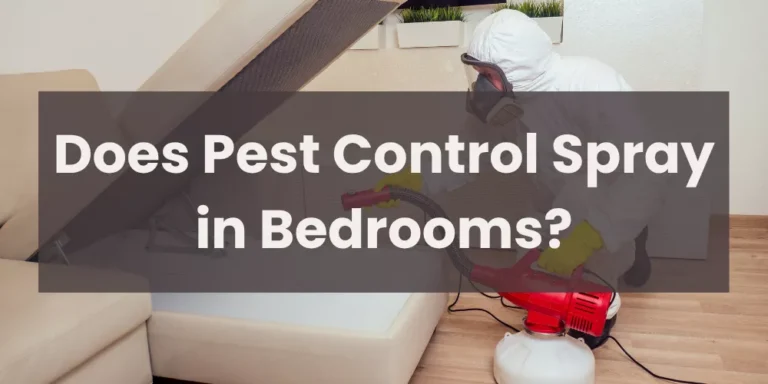
Total release foggers are called bug bombs. They release pesticide mist throughout a room or home.
You must leave for at least 2 to 4 hours after setting them off. The EPA warns that foggers are often misused. They can be hazardous if people remain inside
Here’s a quick reference:
| Treatment Type | Must Leave? | How Long? |
| Tent Fumigation | Yes — always | 2–3 days |
| Heat Treatment | Yes — always | 6–8 hours |
| Fogging/Bug Bombs | Yes — always | 2–4 hours |
Stay Safe During Pest Work
You must leave your home for some jobs. This keeps you safe. The CDC and EPA show this. Plan ahead for your safety. Some jobs are safe. You can stay home for them.
Safe Treatments for Staying Home
Many modern tools are safe. They use low-risk products. They do not hurt you.
| Treatment Type | Where It Goes | Why Stay Home? |
| Gel Bait | Cabinets or walls | No spray or gas. |
| Outer Spray | Foundation or yard | Stays outside only. |
| Bait Stations | Ground or walls | No indoor chemicals. |
| Crack Treatment | Gaps or wall holes | Product stays hidden. |
| Dust | Attic or crawl space | You do not go there. |
1. Gel Bait
Techs put small gel dots out. They work on roaches or ants. They put them in cabinets. They hide them near walls. No spray enters the air. You can stay home. Keep your daily routine.
2. Outer Spray
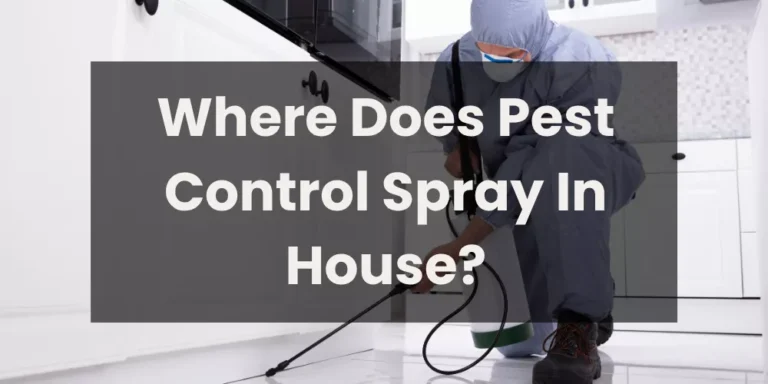
Techs spray the outside only. They treat the home foundation. They treat the yard. The spray dries fast. It stays outside. You do not need to leave.
3. Bait Stations
These tools kill ants or bugs. They kill mice or rats. Techs put them in the ground. They place them near walls. No chemicals touch your space. You can stay home.
4. Crack and Crevice
Techs use a thin tip. They put bug spray in gaps. They fill wall holes. The product stays inside the walls. Most families stay home for this.
5. Dust Applications
Techs put dust in the attic. They treat the crawl space. You do not visit these spots. The dust stays away from you. You can stay home.
Expert Tips
Many people use baits now. They are common in the USA. They make up 40% of all work. People like them. They work well. They are safe for families.
Archie M. Guerrero is a pro. He works in New York. He gives his clients good advice. Ask your pest team one thing. Ask, “Must I leave the home?” A good team will tell you the truth.
Ask your tech about the tools. It takes 30 seconds. You will feel calm.
Wait Times
| Treatment Type | Wait Time |
| Interior spray | 2 to 4 hours |
| Outer spray | 30 to 60 minutes |
| Gel bait | No wait needed |
| Bug bomb | 2 to 4 hours |
| Heat treatment | Wait for cool air |
| Tent gas | 2 to 3 days |
| Flea spray | 2 to 4 hours |
You can stay home sometimes. Still, you must wait to enter rooms. The time depends on the product. It depends on the pest. Most US pest teams use these rules.The main rule is simple. Wait for the spray to dry. Wet spray is not safe. Dry spray is safe. It will not hurt your lungs.
For fleas, wait 2 to 4 hours. These sprays go on rugs. They go on chairs. The EPA sets this rule.
The NPIC gives good advice. Always open your windows. Fresh air helps a lot. Do this after any indoor job.
A person in Texas had a bad time. She came home too soon. She felt sick all day. She did not wait 4 hours. Do not make this mistake.
Use your phone for an alarm. Set it for your wait time. Do not trust your memory. It keeps you safe.
Knowing when to return is vital. But you must also know who should leave. Even low-risk jobs can be tricky.
Who Should Always Leave The House During Any Pest Treatment
Even for low-toxicity treatments, certain people and pets are more sensitive to chemicals. If any of the following are present in your home, it’s safest for them to leave — regardless of treatment type.
People who should always leave:
- Pregnant women: Developing babies are highly sensitive to pesticide exposure. The American Pregnancy Association recommends avoiding all pesticide contact during pregnancy.
- Infants and young children: Children under 5 have smaller bodies and developing nervous systems. Even low-level chemical exposure carries more risk for them.
- People with asthma or respiratory conditions: Any airborne chemical — even at low levels — can trigger asthma attacks or breathing difficulties.
- People with chemical sensitivities: Some individuals react strongly to even trace amounts of pesticides.
- Elderly individuals: Older adults often have compromised immune systems and may be more vulnerable to chemical exposure.
Pets that should always leave:
- Birds: Birds have extremely sensitive respiratory systems. Even mild chemical fumes can be fatal to parrots, canaries, and other pet birds.
- Fish: Tanks must be covered and air pumps turned off to prevent chemical contamination.
- Cats and dogs: Should leave for at least 2–4 hours during any interior spray treatment.
- Reptiles: Snakes and lizards are sensitive to many common insecticides.
According to the American Veterinary Medical Association (AVMA), pesticide poisoning in pets is one of the top reported emergency cases in USA veterinary clinics every year.
Archie M. Guerrero always tells his clients in New York: “If you wouldn’t want your baby breathing it, don’t let your pet breathe it either.”
Make a plan today: Arrange for pets and vulnerable family members to stay with a neighbor or at a relative’s home on treatment day — even if it’s just for a few hours.
Knowing who needs to leave is step one. Knowing how to prepare your home before the technician arrives is equally important.
Smart Things To Do Before The Pest Control Technician Arrives
Good preparation makes a big difference. It helps the treatment work better and keeps your family safer. Here’s exactly what to do before any pest control visit.
For all treatment types:
- Clear kitchen counters and cabinets. Remove food, dishes, and small appliances from areas being treated.
- Cover or store pet food and water bowls. Even gel bait treatments should be kept away from pet feeding areas.
- Pick up children’s toys from the floor. Especially soft toys that could absorb chemical residue.
- Move furniture away from baseboards. This gives the technician better access to wall edges and corners.
- Tell the technician about sensitive household members. Mention babies, pregnant women, pets, and anyone with health conditions.
Before fumigation specifically:
- Remove all food from the home — even sealed canned goods (some fumigants can penetrate thin metal lids).
- Take all medications out of the house.
- Remove houseplants.
- Arrange for alternative accommodations for 2–3 nights.
- Notify a neighbor or property manager that your home will be tented.
Before heat treatment:
- Remove candles, aerosol cans, and anything that could melt or explode under high heat.
- Take out musical instruments, artwork, and heat-sensitive electronics.
The EPA’s Citizen’s Guide to Pest Control recommends that homeowners always ask for a full list of chemicals being used — including the Safety Data Sheet (SDS) — before any treatment begins. You have a legal right to this information.
Do this right now: Write down any health conditions or concerns your family members have and share them with your pest control company when you book the appointment.
Preparing well before the treatment sets you up for a smooth, safe experience — and makes returning home afterward much easier.
Essential Steps To Take When You Return Home After Treatment
Coming home after pest control treatment isn’t just about walking back through the front door. There are a few important steps to take to make sure your home is truly safe before your family settles back in.
Here’s what to do when you return:
1. Ventilate the home first. Open all windows and doors for at least 30 minutes before everyone comes inside. Turn on ceiling fans. Fresh air clears any residual chemical odors quickly.
2. Check for a clearance certificate (fumigation only). After tent fumigation, a licensed technician must test the air and issue a clearance certificate before re-entry is allowed. Never re-enter a fumigated home without this document. Companies like Terminix and Rentokil follow this protocol strictly.
3. Wipe down hard surfaces. Use a damp cloth to wipe kitchen counters, tables, and any surface that food will touch. This is especially important if any spray drifted onto surfaces during interior treatment.
4. Wash bedding and clothing. If your bedroom was treated, wash all bedding, pillowcases, and any clothing left out during the treatment.
5. Clean pet areas. Wash pet bedding, food bowls, and any toys that were in treated areas.
6. Monitor for dead pests. It’s normal to see dead or dying insects for a few days after treatment. This is a sign the treatment is working. Dispose of them using gloves and a paper towel.
7. Keep children and pets off treated floors. Even after the recommended wait time, keep toddlers and pets off treated floors for an extra hour or two — especially if they tend to lick or chew surfaces.
According to the NPIC, proper post-treatment ventilation reduces residual chemical exposure by up to 70% in most indoor environments.
Quick Summary
Do you need to leave for pest control? It depends on the treatment type. Fumigation, heat, and fogging require you to leave. Gel baits, stations, and exterior sprays do not. Vulnerable people should leave for indoor chemical jobs. This includes children and pregnant women. Pets must also leave. Prepare your home before the visit. Follow all steps when you return. This keeps your family safe and healthy.
Key Points Covered
- Fumigation requires leaving for two to three days.
- Gel baits are safe to stay home for.
- Exterior sprays are safe to stay home for.
- Children must leave during any indoor treatment.
- Pregnant women must leave during any indoor treatment.
- Birds must leave during any indoor treatment.
- Pets must leave during any indoor treatment.
- Wait times are thirty minutes to three days.
- Ventilate your home for safety after the visit.
- Wipe down your surfaces for safety after the visit.
Frequently Asked Questions
Many homeowners want clear answers. They ask about safety. They ask this during every visit. Here are the common questions. We answer them honestly.
Do you have to leave the house every time?
No, you do not. It depends on the job type. Simple jobs do not need it. Gel baits do not need it. Exterior sprays do not need it. Bait stations do not need it. However, you must leave for fumigation. You must leave for heat treatment. You must leave for fogging. Ask your worker in advance. A good firm will give clear answers.
How long do you have to leave for fumigation?
You must leave for two to three days. Large homes may need more time. Heavy bug problems may need more time. You cannot go back too soon. A pro must test the air. They must give a note. Firms like Terminix follow strict rules. They follow EPA rules before you return.
Is it safe to stay home for sprays?
Yes, it is safe for exterior sprays. For indoor sprays, stay out. Leave the room for two to four hours. Wait for the product to dry. Pregnant women should leave. Young children should leave. People with breathing issues should leave. Pets should leave. Do this even for low-toxicity jobs.
What happens if you go back too soon?
You might have health issues. You might get a bad headache. You might feel sick. You might feel dizzy. Your eyes might sting. Your skin might itch. In bad cases, it is dangerous. This is very true for fumigation. Always follow the wait time. If you doubt, wait longer. Let air into the home. Wipe surfaces well. Do this before bringing kids or pets inside.
Can pets stay home during treatment?
It depends on the job. Pets can stay for exterior sprays. They can stay for gel baits. But they must leave for indoor sprays. They must leave for fumigation. They must leave for heat treatment. They must leave for fogging. Birds are very sensitive. Remove them for any job. Cover fish tanks. Turn off the fish air pumps. Tell your firm about pets. They will advise you.
Conclusion
Do you have to leave your house for pest control? The short answer is yes or no. You now know how to tell the difference.
We covered the full picture here. Fumigation needs you to leave. Heat treatment needs you to leave. Bug bombs need you to leave. Gel baits allow you to stay. Bait stations allow you to stay. Exterior sprays allow you to stay. Vulnerable family members must move out during indoor chemical work. Pets must move out too. There are no exceptions.
Here are your three main points to remember:
- Ask your pro before the visit. Ask, “Do I need to leave?” This simple question stops confusion. It stops risk. A good company will give a clear answer.
- Know who is at risk. Children under five are at risk. Pregnant women are at risk. People with asthma are at risk. Birds and fish are at risk. Plan ahead. Keep them safe on the day of work.
- Follow the re-entry rules. Do not take shortcuts. Whether it is two hours or two days, wait. Ventilate the home well. Wipe down all surfaces. Wash your bedding before you use it again.
A family in Phoenix learned this the hard way. They went home too soon after a flea treatment. They ignored the four-hour wait rule. Two of their kids got rashes. They had to see a doctor. This was easy to stop.
Your health is very important. Your safety is worth more than a few hours. Pest control is a smart investment. It is only smart when you do it safely.
If this guide helped you, please share it. Send it to a friend. Send it to family. They may have a visit soon. Save it for later. Do you have questions about your situation? Leave them in the comments. We are here to help. Check our guide for more facts. See the Complete Pest Control Guide.