How Much Does A Plumber Charge To Unclog A Toilet?

Have you ever flushed your toilet and seen the water start to rise? It is a scary feeling! One night, I had friends over for dinner. I found myself wondering: how much does a plumber charge to unclog a toilet? My guest came out of the bathroom looking worried, and I saw the water almost spilling onto my floor. I tried to use a plunger for a long time, but nothing worked. It was so stressful!
I was really afraid that a plumber would cost too much money. I didn’t want to spend all my savings, but I really needed my bathroom to work again. It is hard to feel happy at home when you are worried about a messy toilet and a big, mystery bill. I just wanted a simple answer so I could fix the mess and get back to my guests.
Since that night, I have learned a lot about what plumbers charge. I want to share that with you so you don’t have to panic. Knowing the price helps you feel better about the situation. Let’s look at the normal costs and how you can get your toilet running again without spending too much.
How Much Does A Plumber Charge To Unclog A Toilet?
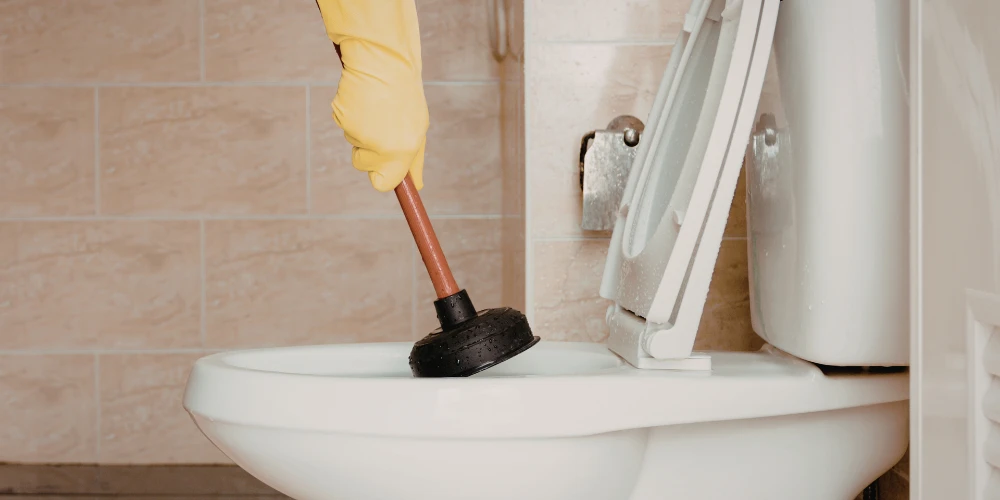
It can be very scary to see water rising in your bathroom. I remember feeling stuck and asking, how much does a plumber charge to unclog a toilet? I was worried about the cost, but I just wanted my home to be clean and fixed again.
Average Cost to Unclog a Toilet
The table below shows the average cost plumbers usually charge to unclog a toilet. These prices help you understand how much you may need to pay.
| Type of Clog | Estimated Cost |
|---|---|
| Minor toilet paper clog | $100 – $150 |
| Standard toilet clog | $150 – $300 |
| Deep or stubborn clog | $300 – $500 |
| Emergency or after-hours service | $400 – $600+ |
Prices may change based on your location and how bad the clog is. This table gives you a realistic idea so there are no surprises later.
What Actually Affects the Price?
Have you ever wondered why one plumber charges $150 while another asks for $400? It can be very confusing! I have learned that no two clogs are exactly the same. Even if two toilets look stuck, the reason behind the mess is usually different.
In my experience, the price you pay changes based on a few main things. Here is a deeper look at what makes the bill go up or down:
- The Severity of the “Gunk”: This is a big one. If you just used a little bit too much toilet paper, a plumber can fix that very fast. That is usually a cheaper job. But sometimes, things get stuck that should never be in a toilet. I am talking about plastic toys, cell phones, or those “flushable” wipes. Honestly, those wipes are not actually flushable! They are very tough and hard to move, which means the plumber has to work much harder to get them out.
- The Tools Required: Think of this like a toolbox. If the plumber can fix your problem with a simple hand tool called a “closet auger,” the price stays lower. But if the clog is deep or very hard, they have to bring out the big guns. This might be a motorized “snake” or even a “hydro-jetter” that uses high-pressure water. These machines are expensive to own and take more skill to use, so the price goes up.
- The “Where” and “When”: Where you live matters quite a bit. If you live in a big, busy city, the rates are usually higher because everything costs more there. The “when” is even more important. If you call on a Tuesday morning, it is a normal price. But if you have an emergency at 3:00 AM on a Sunday or during a holiday, expect to pay a “premium.” This is an extra fee just for them to come out during their time off.
- Location of the Clog: Sometimes the clog is right in the toilet. That is the best-case scenario! But other times, the blockage is deep in your main sewer line. If the plumber has to go into the basement or outside to reach the main pipes, it takes a lot more time and effort. A deeper clog always means a bigger project and a higher cost.
Emergency vs. Regular Hours
This is where the “Sunday Night Scare” can get really expensive for your wallet. Most plumbers work a normal job from 8:00 AM to 5:00 PM on weekdays. If you call them during these times, you will pay their normal price. But if you have a big mess in the middle of the night or on a holiday, it is called an “Emergency.” Because the plumber has to leave their home or wake up from sleep to help you, they charge a lot more.
In my experience, most companies add a special fee just for showing up at a weird time. This is called an “Emergency Call-Out Fee.” This fee can be anywhere from $100 to $300 before they even start fixing the toilet! Adding that to the cost can raise a simple job from $200 to $500 or more, all due to time spent.
Here is my honest opinion: if you have a second bathroom in your house, use it! You can just lock the door to the broken bathroom and wait until Monday morning. By waiting for regular business hours, you can save yourself a lot of money. However, if the toilet is overflowing and soaking your carpet, you should call for help right away. It is better to pay the plumber than to pay for a brand-new floor!
DIY vs. Calling a Pro: When is it worth it?
I really love to save money whenever I can. I bet you do too! Sometimes, you can fix a toilet yourself and feel like a hero. But other times, trying to fix it alone can make a small problem turn into a giant, messy disaster. It is important to know when to pick up the plunger and when to put it down.
In my experience, you have to be honest with yourself about how bad the clog looks. Here is how I decide if I should try to fix it or if I should call a professional plumber for help:
Try it yourself if:
- The water is still draining (even if it’s slow): If the water eventually goes down on its own, that is a very good sign! It means air and water can still get through. You can usually fix this with a little bit of patience and a good plunger.
- You know exactly what caused it (like too much TP): If you just used a bit too much toilet paper, don’t worry. Toilet paper is made to break apart in water. A few strong pushes with a plunger will usually clear this right up without any trouble.
- You have a flange plunger and a little bit of patience: Not all plungers are the same! A “flange” plunger has an extra rubber flap on the bottom that fits perfectly into the toilet hole. If you have one of these and you take your time, you can fix most simple clogs yourself.
Call a plumber if:
- Water is backing up into the tub or sink: This is a big red flag! If you flush the toilet and dirty water shows up in your shower or sink, the issue is in your main pipes. A simple plunger cannot reach that far, and you need a pro with big tools.
- The toilet is overflowing. If water spills over the top and soaks your bathroom floor, stop what you are doing! This can cause mold and ruin your house. You need a plumber to come fast to stop the water and fix the leak.
- The clog keeps coming back: Does your toilet get stuck every single week? That is not normal. In my opinion, this means something is stuck deep inside or your pipes are getting old. A plumber can use a camera to see what is wrong so you can stop worrying about it for good.
Trusting Your Plumber (and Your Wallet)
It can feel like a lot of money to pay for just a few minutes of work. You might watch the plumber fix the toilet quickly and think, “I could have done that!” But it is important to remember what you are actually paying for. You are not just paying for their time. You are paying for all the years they spent learning how to fix pipes without breaking them.
When a plumber comes to your house, they bring a big van filled with very expensive tools. They have special cameras and long metal snakes that most people do not have at home. These tools help them fix the clog without cracking the porcelain or making a huge mess. In my opinion, paying a pro is worth it because it gives you peace of mind. You know the job is done right and you won’t have to worry about it again tomorrow.
Most honest plumbers will tell you the price before they start working. If a plumber refuses to give you a price range or a flat rate, that might be a red flag. A good plumber wants you to feel comfortable and safe. They want to help you get your bathroom back to normal without any surprise bills at the end. When you find a plumber you can trust, keep their number! It makes the next emergency much less scary.
The Bottom Line
Dealing with a clogged toilet is never fun. It can make you feel very stressed and worried about your home. But the good news is that this is a problem that happens to almost everyone at some point. You are not alone, and it is something that can be fixed! Whether you use a plunger yourself or call for help, your bathroom will be back to normal soon.
In my opinion, knowing the costs helps take away the fear. For most common clogs, you should expect to spend about $200 to $300. While that might feel like a lot of money, it is the price for peace of mind. You are paying to make sure your floors stay dry and your pipes stay safe. It is much better to spend a little bit now than to pay for a huge water mess later.
Just remember to stay calm the next time the water starts to rise. If the plunger doesn’t work after a few tries, don’t be afraid to call a professional. Once the plumber is finished, you can finally relax and stop worrying about your toilet. A working bathroom is one of those things we don’t think about until it breaks, but it feels so good to have it fixed!
Frequently Asked Questions
When a toilet clogs, many people wonder the same things. They think about the cost, the time, and if a plumber is needed. Here are some FAQs to explain How Much Does A Plumber Charge To Unclog A Toilet? and what to do next.”
How long does it take a plumber to unclog a toilet?
Most simple clogs are fixed within 30 minutes. Tougher clogs may take longer.
Can I ask for the price before the plumber starts?
Yes. A good plumber will explain the cost upfront so there are no surprises.
Is it cheaper to fix a clog early?
Absolutely. Small clogs are easier and cheaper to fix before they turn into major blockages.
Are flushable wipes really safe?
No. Despite the name, they often cause serious clogs and higher plumbing bills.
Conclusion
Understanding how much does a plumber charge to unclog a toilet helps take away a lot of fear. When you know the usual cost, the problem feels less stressful. Most toilet clogs are common and can be fixed without causing major damage to your home.
A clogged toilet can make anyone feel worried and uncomfortable. But this is something many people deal with at some point. Fix the problem quickly, whether you use a plunger or call a plumber. This helps prevent worse issues and water damage.
In the end, paying a little money now can save you from bigger repairs later. Once the toilet is working again, you can relax and enjoy your home. A clean and working bathroom makes a big difference in everyday life.